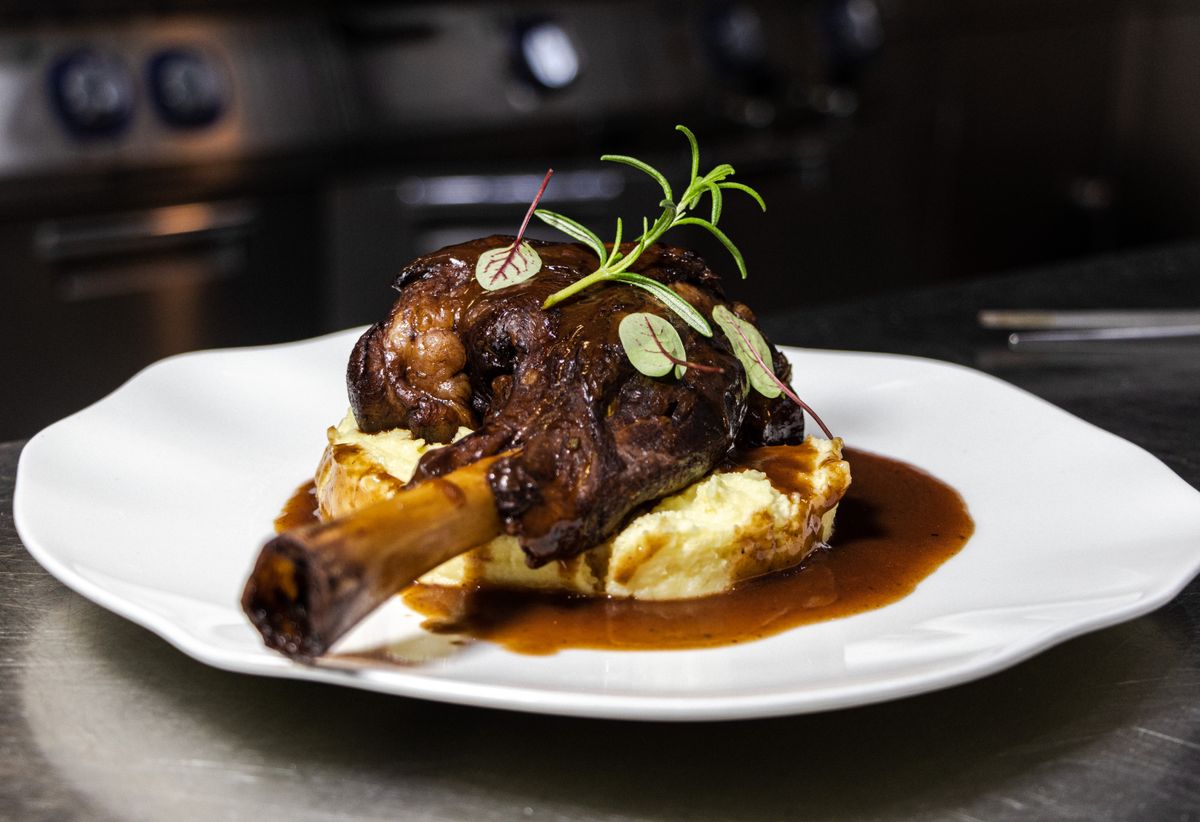
Braised Lamb Shanks
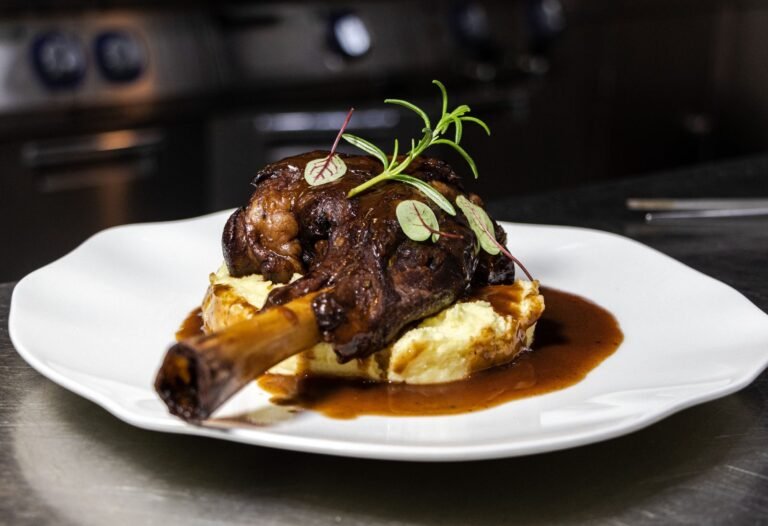
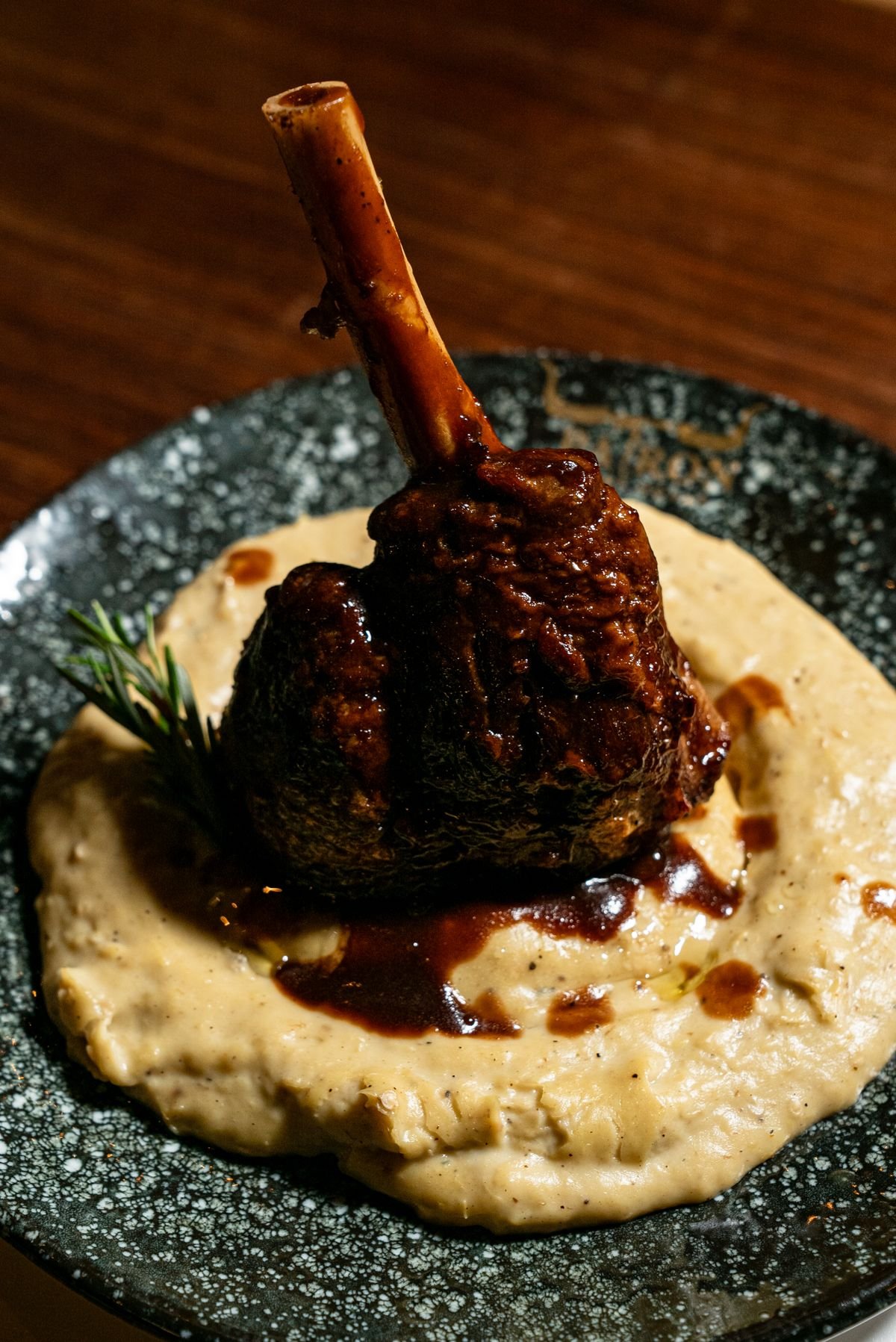
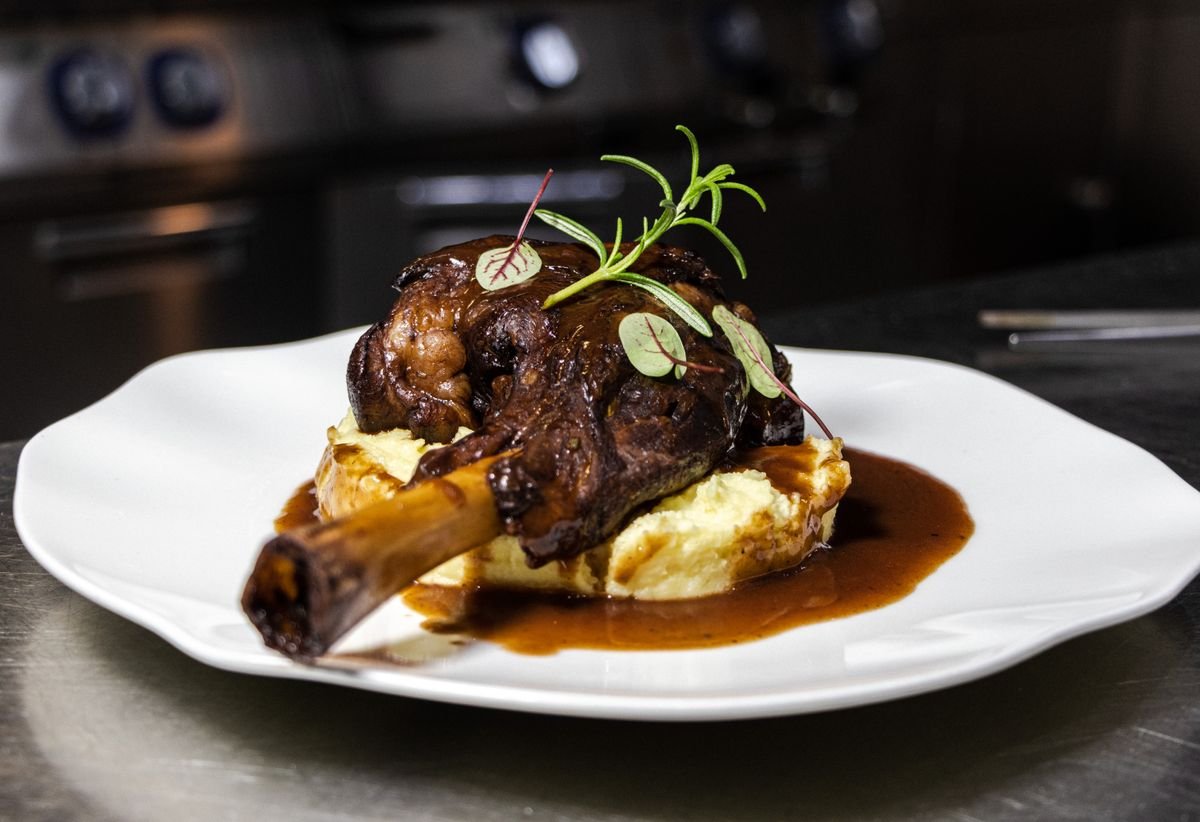
Lamb shanks are a humble, collagen-rich cut that turns downright luxurious with slow braising. This is the lower leg, full of connective tissue that would be tough if you rushed it, but give it a few gentle hours in red wine and aromatics and that collagen melts into gelatin. The meat falls off the bone into a glossy, deeply savory sauce that tastes like you fussed all day, though most of the time is hands-off. It is our favorite cold-weather dinner, the kind of thing that fills the house with a smell people remember. Start with meaty shanks from a pasture-raised lamb, one per person.
Why this recipe works
- The shank is packed with collagen, which slow, moist heat turns into silky gelatin, giving both tender meat and a glossy sauce.
- Browning the shanks first builds a deep, savory base that carries through the whole braise.
- Red wine and tomato paste add acidity and body that balance the richness of the lamb.
- A long, low braise lets the meat pull away from the bone without ever drying out, since it is cooking in liquid.
Ingredients
- 4 lamb shanks
- 1 tablespoon kosher salt
- 1 teaspoon black pepper
- 2 tablespoons neutral oil
- 1 onion, diced
- 2 carrots, diced
- 3 cloves garlic, smashed
- 2 tablespoons tomato paste
- 1 cup red wine
- 2 cups beef or chicken broth
- 2 sprigs rosemary
Substitutions: swap the red wine for extra broth plus a splash of balsamic if you prefer no alcohol. Celery and a bay leaf are welcome additions to the aromatics.
How to make it
- Brown the shanks. Season the shanks with salt and pepper. Heat the oil in a Dutch oven and brown the shanks well on all sides, then set them aside.
- Build the base. Add the onion, carrots, and garlic to the pot and cook until softened, then stir in the tomato paste and cook it a minute until it darkens.
- Deglaze. Pour in the red wine, scraping up the browned bits from the bottom, and let it reduce by half.
- Braise low. Return the shanks, add the broth and rosemary, cover, and braise in a 325F oven for 2.5 to 3 hours, until the meat is fork-tender and pulling from the bone.
- Finish the sauce. Lift out the shanks, skim the fat, and reduce the sauce on the stove until glossy. Spoon it over the shanks to serve.
Pro tips and common mistakes
- Brown the shanks properly. A deep sear is the foundation of the flavor, so take your time and do not crowd the pot.
- Keep the braise gentle. A bare simmer, not a hard boil, is what melts the collagen without toughening the meat.
- Do not drown the shanks. The liquid should come partway up, not cover them, so the exposed top stays rich while the base braises.
- We braise in a cast iron Dutch oven and lift with metal tongs, never plastic.
- Make it a day ahead. Braises taste even better the next day, and chilling lets you lift the hardened fat right off.
Storage and leftovers
Braised shanks keep for up to 4 days in the fridge and are arguably better on day two, once the flavors have settled. Store the meat right in its sauce so it stays moist, and lift off the solidified fat before reheating. Warm them gently on the stove or in a low oven until heated through. The meat pulled from leftover shanks is superb over pasta, folded into a ragu, or piled onto polenta. Braised lamb freezes beautifully in its sauce for up to 3 months, which makes it a great make-ahead meal.
What to serve with it
- Creamy mashed potatoes or soft polenta to catch the sauce.
- Buttered egg noodles or crusty bread.
- Roasted root vegetables or minted peas.
- A bold red wine, ideally the one you cooked with.
The magic of a slow braise
Braising is one of cooking’s best tricks, and the shank is the cut that shows off why. Tough cuts are tough because they are full of connective tissue and collagen, the very things that make them cheap. But collagen is not the enemy. Held in gentle, moist heat for long enough, it dissolves into gelatin, which coats the meat fibers, keeps them moist, and gives the sauce its glossy, lip-sticking body. That is why a shank braised for three hours is more tender and more luscious than a quick-cooked cut, not less. The keys are low heat, enough time, and a lid to trap the moisture. Rush it with high heat and the muscle fibers seize before the collagen has a chance to melt, which is the usual reason a braise turns out dry and stringy. Be patient, keep it at a whisper of a simmer, and the shank rewards you every time.
Nutrition
About 480 calories, 42g protein, 26g fat, and 8g carbs per serving. These are estimates and vary with the exact size, trim, and any substitutions.
FAQ
How long does it take to braise lamb shanks?
About 2.5 to 3 hours at 325F, until the meat is fork-tender and pulling from the bone. Bigger shanks may need a little longer.
Why are my braised shanks tough?
They likely need more time. Collagen melts slowly, so if the meat is still tight, keep braising gently until it gives.
Can I make these without wine?
Yes. Use extra broth with a splash of balsamic or red wine vinegar for the acidity the wine would provide.
Can I use a slow cooker?
Yes. Brown the shanks and build the base first, then transfer everything and cook on low for 7 to 8 hours.
How many shanks per person?
One shank per person is generous. They are rich, so a single shank with sides makes a full plate.
Where to buy the lamb
Shanks reward good sourcing, and pasture-raised lamb has the best flavor. Use our Find a Farmer directory to source lamb shanks near you.
Learn more in our guide to lamb shanks and our full guide to lamb. For more lamb, try our grilled lamb loin chops or herb-crusted rack of lamb. New to braising? Read our guide to cooking meat by every method.