Sous Vide Chicken Breast (Impossibly Juicy)
Dry chicken breast is a tragedy of overcooking, and sous vide ends it. At 145F the breast turns silky and genuinely juicy, nothing like the rubbery oven version, and because holding it at temperature over time pasteurizes the meat, it is completely safe even though it looks softer and pinker than you may expect. That is the part most people find surprising: safety comes from time at temperature, not just from hitting a number for an instant. Then a fast sear gives you golden color and a little flavor on the outside. It is the most reliable way we know to make a chicken breast worth eating. Start with breasts from a pasture-raised bird.
Why this recipe works
- A precise 145F bath keeps the breast juicy and silky, a texture the oven simply cannot hit reliably.
- Holding at temperature over time pasteurizes the meat, so it is safe at a lower, juicier temperature than a quick blast to 165F.
- The wide time window means the breast waits for you, with no dry-out penalty for a few extra minutes.
- A quick, hot sear adds golden color and flavor without heating the interior past its perfect point.
A note on the bag
Sous vide means sealing the food, and that usually means plastic. We prefer to cook with wood and metal and avoid plastic where we can, so we want to be straight with you. Use food-grade bags rated for cooking, or better, a reusable silicone bag sealed with the water-displacement method. Keep the bath at these gentle temperatures rather than a boil, and never reuse a bag that has warped. It is a real trade-off, and we would rather name it than pretend it is not there.
Ingredients
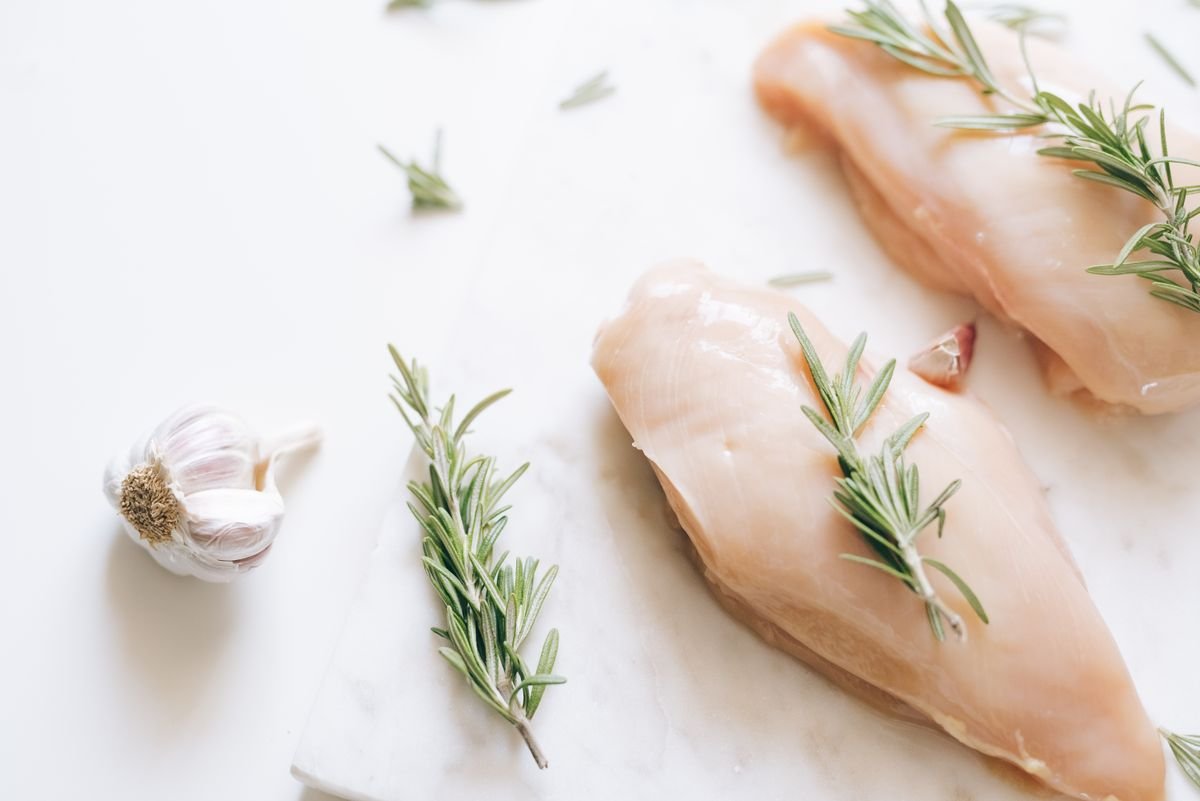
- 2 boneless, skinless chicken breasts
- 1 teaspoon kosher salt
- 0.5 teaspoon black pepper
- 2 sprigs thyme
- 1 clove garlic, smashed
- 1 tablespoon neutral oil, for searing
- 1 tablespoon butter, for searing
Substitutions: rosemary or a strip of lemon zest can go in the bag instead of thyme. Bone-in, skin-on breasts work too and sear up beautifully.
How to make it
- Set the bath. Heat the water to 145F with an immersion circulator. We use an Anova, but any circulator that holds temperature works.
- Season and seal. Season the breasts with salt and pepper, add the thyme and garlic, and seal them in a food-grade or reusable silicone bag using the water-displacement method.
- Cook in the bath. Cook for 1 to 1.5 hours. That time both cooks and pasteurizes the breast, keeping it safe and silky.
- Dry the breasts. Take the breasts out and pat them completely dry. A dry surface is the only way to get a fast, golden sear.
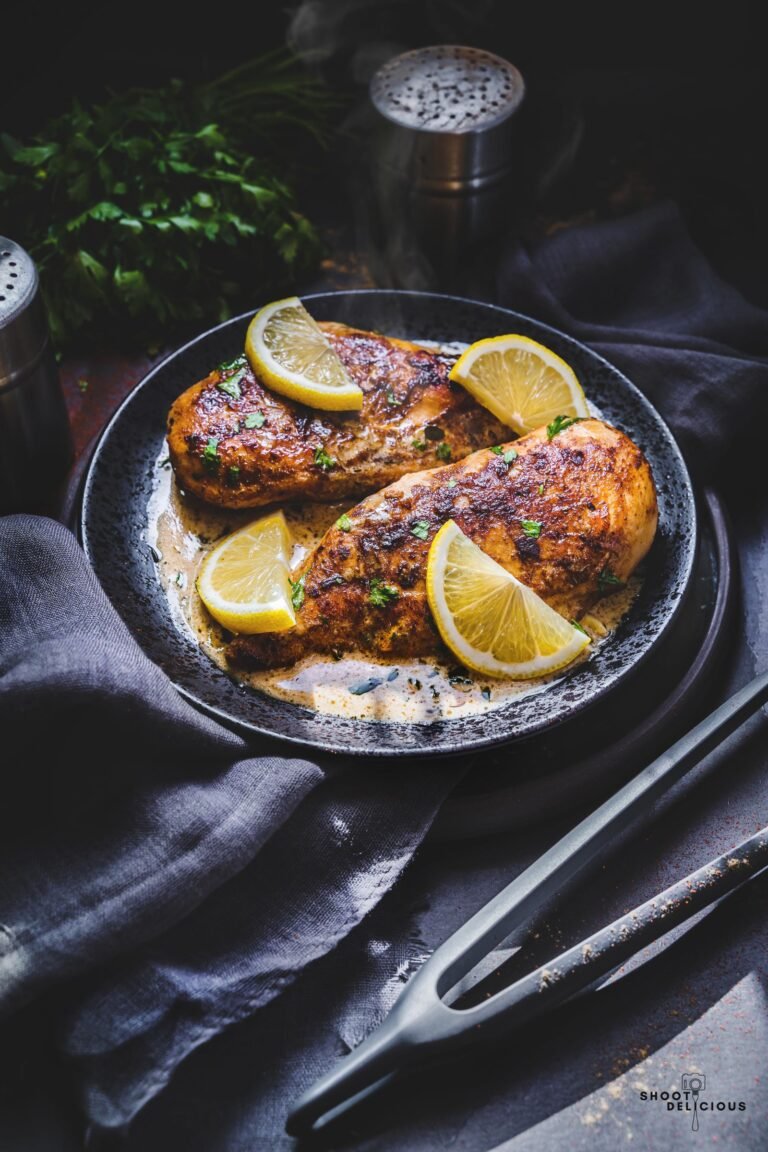
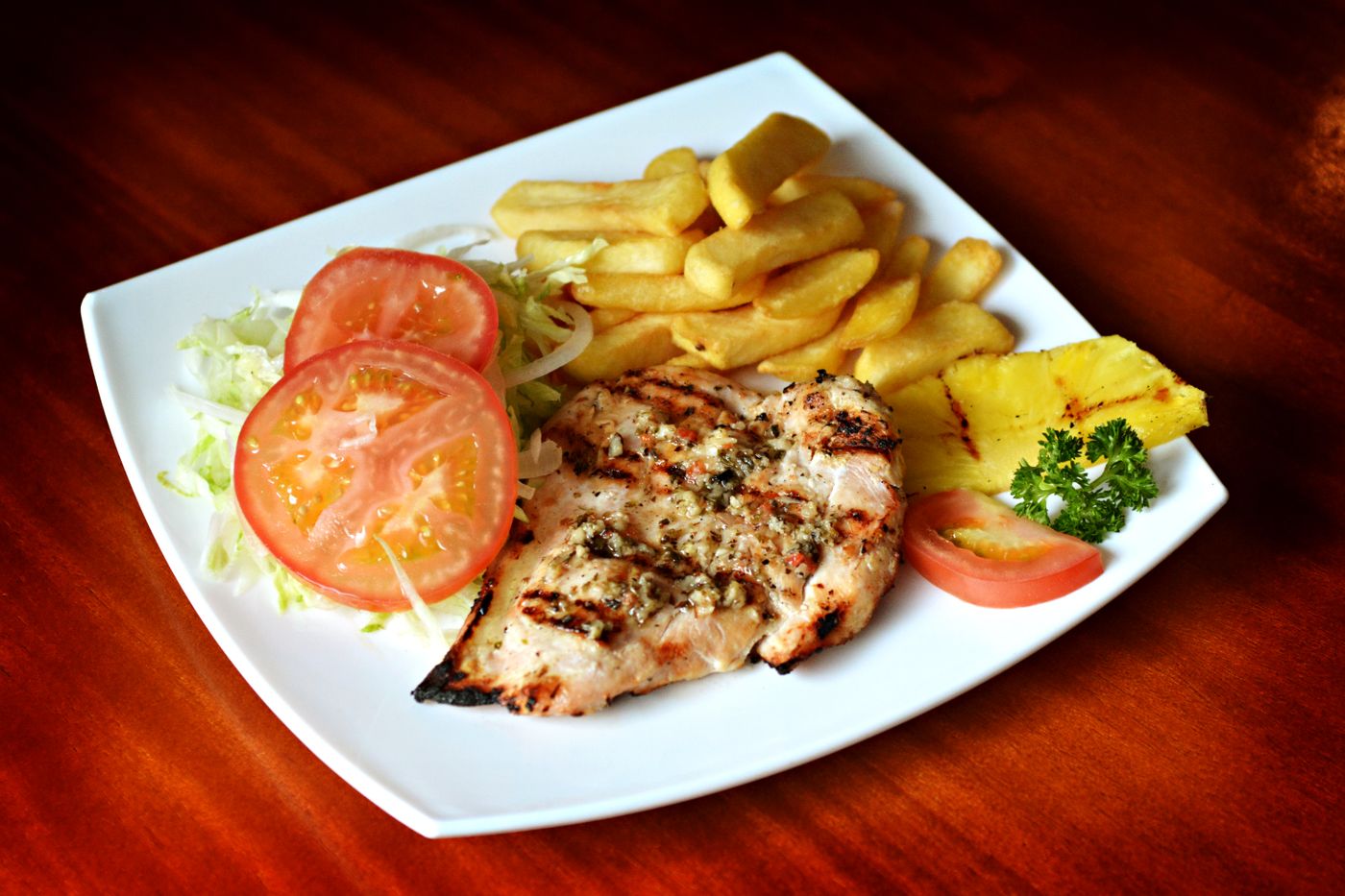
- Sear hot. Heat the oil in a skillet until it just smokes, add the butter, and sear each breast about 45 seconds a side for color. Rest a couple of minutes, then slice.
Pro tips and common mistakes
- Dry the breast hard before searing. Surface water steams and blocks the golden color you want.
- Sear fast. The breast is already cooked, so a long sear only dries the surface. Thirty to forty-five seconds a side is plenty.
- Do not fear the temperature. At 145F held for over an hour, chicken is pasteurized and safe, even if it looks softer than you are used to.
- We lift and turn with metal tongs, never plastic, near a hot pan.
- Keep the circulator submerged over the cook. A lid or a few ping-pong balls slow evaporation.
Storage and leftovers
Cooked breasts keep for up to 3 days in the fridge. Because they are gently cooked, slice them cold over a salad or into a sandwich rather than reheating hard, which dries them. The make-ahead trick is a gift for meal prep: cook a batch in the bath, chill them fast in ice water while still sealed, and refrigerate, then sear or slice through the week. Sous vide chicken also freezes well sealed in its bag.
What to serve with it
- A bright salad with lemon vinaigrette.
- Grain bowls with roasted vegetables.
- A pan sauce built in the searing skillet.
- Sliced into wraps, tacos, or pasta.
Understanding the temperature
The reason sous vide chicken can be so much better than oven chicken comes down to how heat and safety actually work. The usual advice to cook chicken to 165F is a shortcut, a temperature that kills bacteria instantly. But you can reach the same safety at a lower temperature if you hold the meat there long enough, because pasteurization is a function of both heat and time. At 145F, an hour or so in the bath makes the breast just as safe while keeping it far juicier, since less moisture is squeezed out of the muscle fibers. That is why the meat looks softer and a touch pinker near the center and is still completely safe to eat. If you prefer a more traditional, firmer texture, set the bath to 150F instead. Either way, the water bath gives you a control the oven never can.
Nutrition
About 240 calories, 38g protein, 9g fat, and 0g carbs per serving. These are estimates and vary with the exact size, trim, and any substitutions.
FAQ
What temperature for sous vide chicken breast?
145F gives a silky, juicy breast. Held for over an hour it is fully pasteurized and safe. Use 150F for a firmer texture.
Is 145F chicken safe?
Yes. Safety comes from time at temperature, not just the number. About an hour at 145F pasteurizes the breast.
How long does it take?
About 1 to 1.5 hours. That range both cooks and pasteurizes a standard breast without drying it.
Is the plastic bag safe?
Use food-grade bags rated for cooking or a reusable silicone bag, and keep the bath gentle. We prefer silicone.
Do I have to sear it?
Not for safety, but a quick sear adds color and flavor. The bath alone leaves the outside pale.
Where to buy the chicken
Good chicken makes this simple recipe shine. We look for pasture-raised birds from small farms. Use our Find a Farmer directory to source chicken near you.
Learn more in our guide to the chicken breast and our full guide to poultry. For more chicken, try our crispy baked chicken thighs or perfect roast chicken. New to the method? Read our guide to cooking meat by every method.