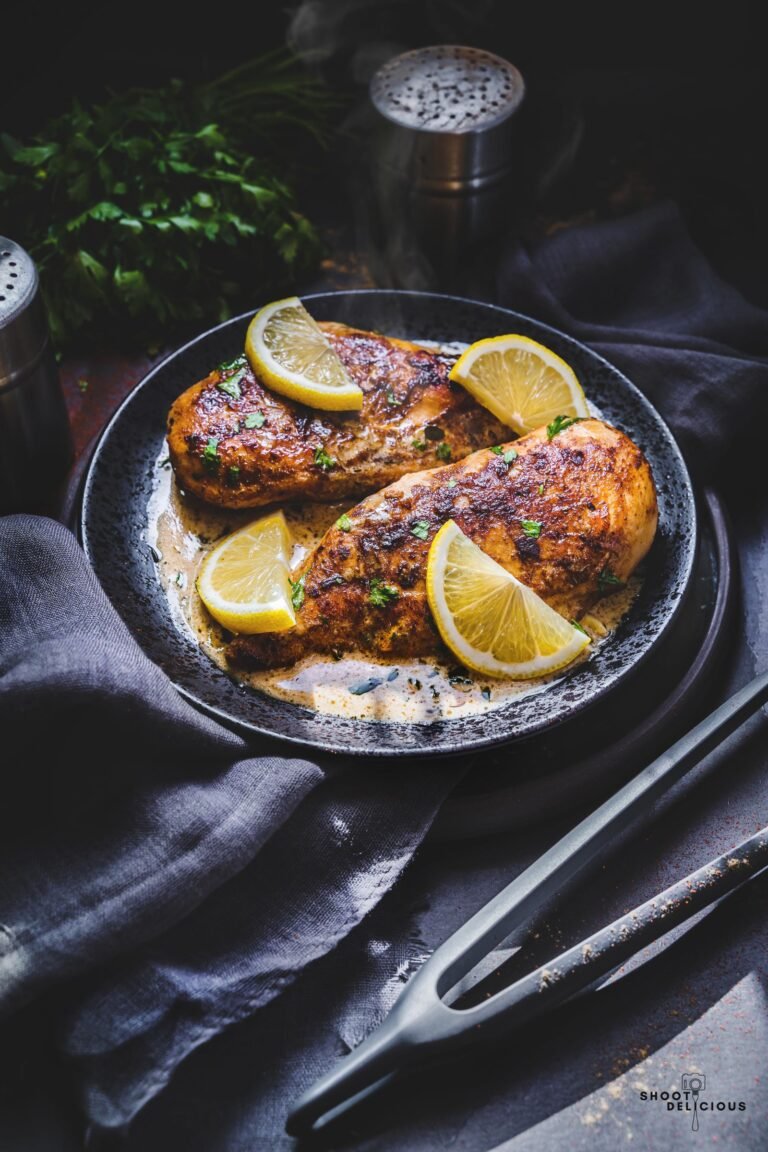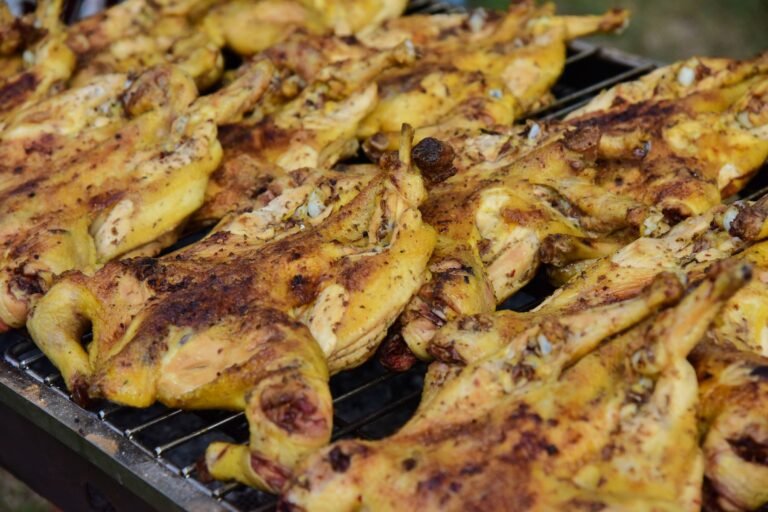
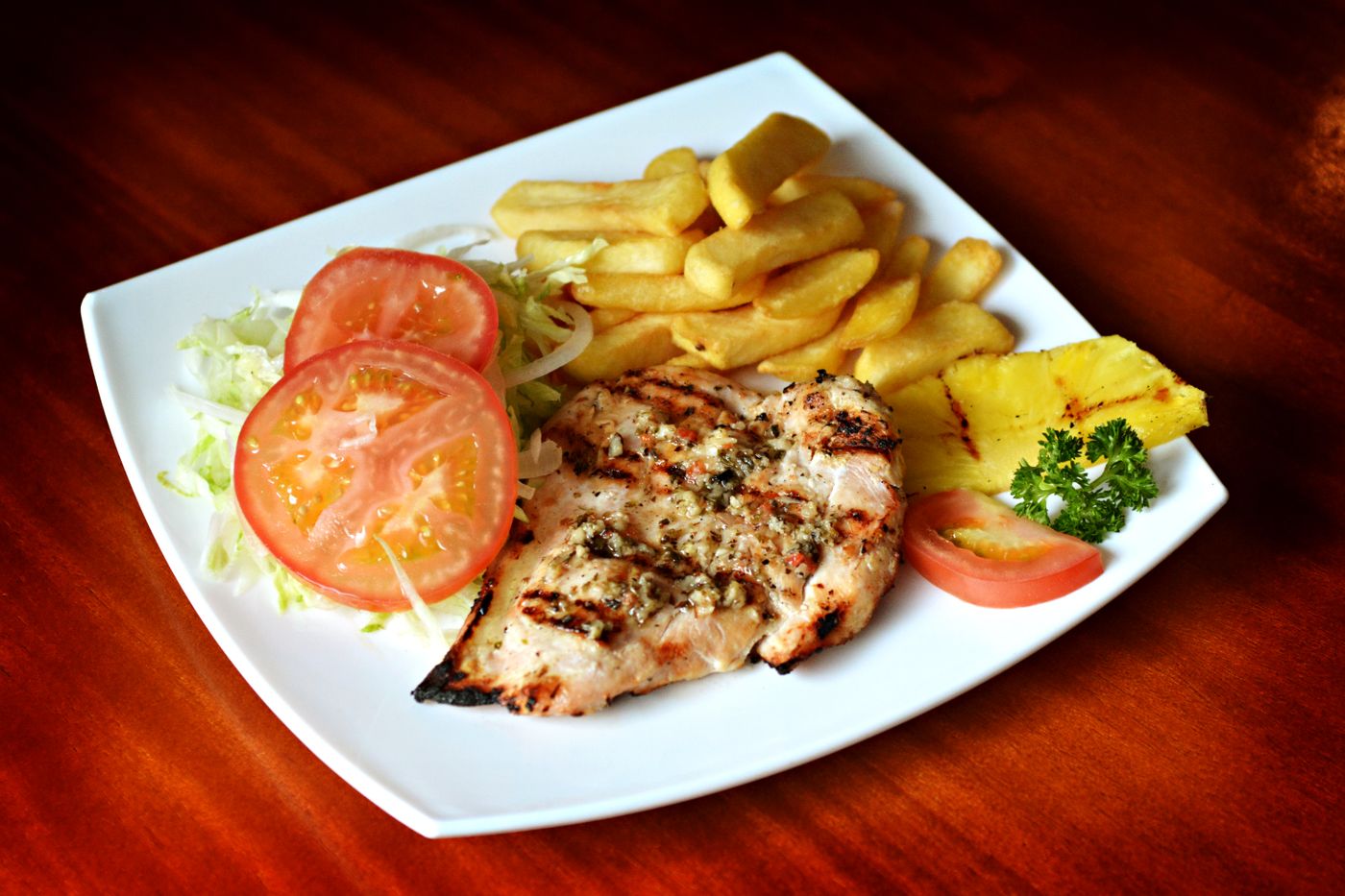
Juicy Grilled Chicken Breast (No More Dry Chicken)
Dry, chalky grilled chicken breast is one of the saddest things to come off a grate, and almost everyone has made it. The good news: it’s not the cut’s fault, and it’s not yours either. Boneless chicken breast is lean, so it goes from perfect to overcooked in about ninety seconds if you’re not paying attention. Nail two things — even thickness and internal temperature — and you’ll pull juicy, smoky chicken breast off the grill every single time.
Here’s the one tip I’ll give you up front, before anything else: buy a cheap instant-read thermometer and pull the chicken at 160°F, not 170°F. It keeps climbing while it rests. That single habit fixes 90% of dry-chicken problems. Everything else below — the quick brine, the seasoning, the two-zone fire — is just stacking the odds in your favor. Start with good pasture-raised birds and this becomes the easiest weeknight dinner you make all summer.
Why This Recipe Works
- A fast brine keeps it juicy. Thirty minutes in salt water seasons the meat all the way through and helps it hold moisture on a hot grate.
- Even thickness means even cooking. Pounding the thick end down means the whole breast finishes at the same time — no raw center, no leathery tip.
- Two-zone heat gives you control. Sear over direct flame for marks, then finish over indirect so the outside doesn’t scorch before the inside is done.
- You cook to temperature, not time. Grills vary wildly. A thermometer is the only thing that actually tells you when it’s ready.
Ingredients
For the chicken
- 4 boneless, skinless chicken breasts (about 6–8 oz / 170–225 g each)
For the quick brine (optional but worth it)
- 4 cups (960 ml) cold water
- ¼ cup (75 g) kosher salt
- 2 tbsp (25 g) sugar
For the seasoning
- 3 tbsp (45 ml) olive oil
- 1 tbsp smoked paprika
- 2 tsp garlic powder
- 1 tsp onion powder
- 1 tsp freshly ground black pepper
- ½ tsp cayenne (optional, for heat)
- Juice of 1 lemon
Substitutions: No smoked paprika? Use regular paprika plus a pinch of chili powder. Table salt works in the brine — just cut it to 3 tablespoons since it’s denser than kosher. Swap the lemon for lime or a splash of red wine vinegar. Skip the brine entirely if you’re short on time and just season generously.
How to Grill Chicken Breast
- Brine (30–60 minutes). Stir the salt and sugar into the cold water until dissolved, submerge the breasts, and refrigerate. This is where the juiciness comes from, so don’t skip it if you can help it. Don’t go past an hour or the texture turns spongy.
- Pound to even thickness. Pat the breasts dry, lay them between two sheets of parchment, and pound the thick end until the whole breast is about ¾ inch (2 cm) thick. Even thickness is the single biggest reason chicken cooks evenly.
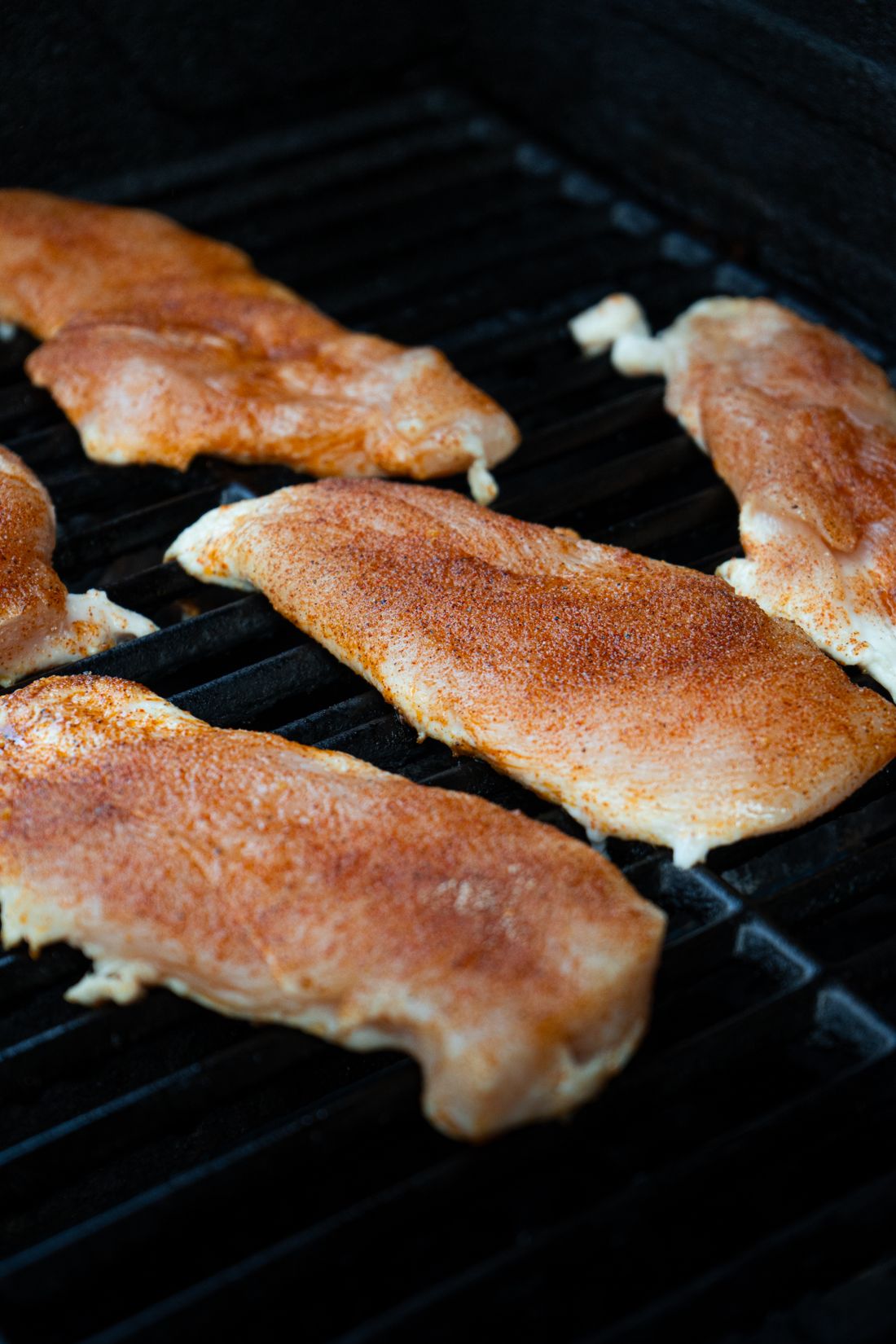
- Season. Rub the breasts with olive oil, then coat with the paprika, garlic powder, onion powder, pepper, and cayenne. Squeeze the lemon over the top. Let them sit at room temperature for 15 minutes while the grill heats — cold meat hitting a hot grate cooks unevenly.
- Set up a two-zone fire. Heat the grill to medium-high, around 450°F (230°C), with one side hot and one side cooler. Scrape the grates clean and oil them so the chicken releases instead of tearing.
- Sear. Lay the breasts over direct heat and grill 2–3 minutes per side until you’ve got clear grill marks and the meat lifts off cleanly. If it sticks, it’s not ready to flip.
- Finish over indirect heat. Move the breasts to the cooler side, close the lid, and cook until the thickest part reads 160°F (71°C), about 4–6 more minutes depending on thickness.
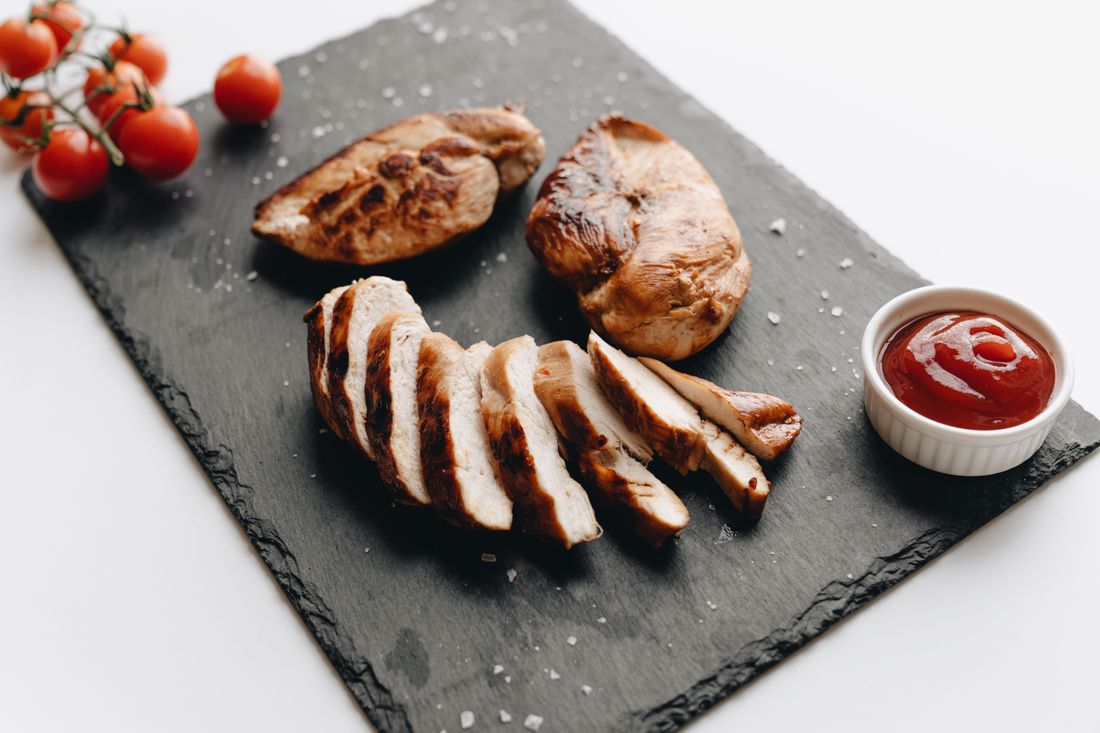
- Rest. Pull the chicken and let it rest 5 minutes. It’ll coast up to a safe 165°F (74°C) and the juices redistribute instead of running out onto the board. Slice against the grain and serve.
Pro Tips & Common Mistakes
- Buy the thermometer. Guessing by cut-and-peek lets all the juice out. Pull at 160°F and let carryover do the rest.
- Don’t skip pounding. A tapered breast will always overcook at the thin end. Thirty seconds with a rolling pin fixes it.
- Oil the meat, not just the grate. A thin coat of oil on the chicken conducts heat evenly and stops sticking.
- Resist flipping constantly. One good sear per side builds better flavor and marks than nervous flipping.
- Let it rest. Cutting in immediately dumps the juice you worked to keep. Five minutes is non-negotiable.
Storage & Leftovers
Cooled grilled chicken keeps in an airtight container in the fridge for up to 4 days. To freeze, wrap tightly and store up to 3 months; thaw overnight in the fridge. Reheat gently — a covered skillet over medium-low with a splash of broth, or 20–30 seconds in the microwave — so it warms without drying out. Honestly, leftover grilled chicken breast is better cold than reheated: slice it straight onto salads, grain bowls, wraps, or tacos.
What to Serve With Grilled Chicken Breast
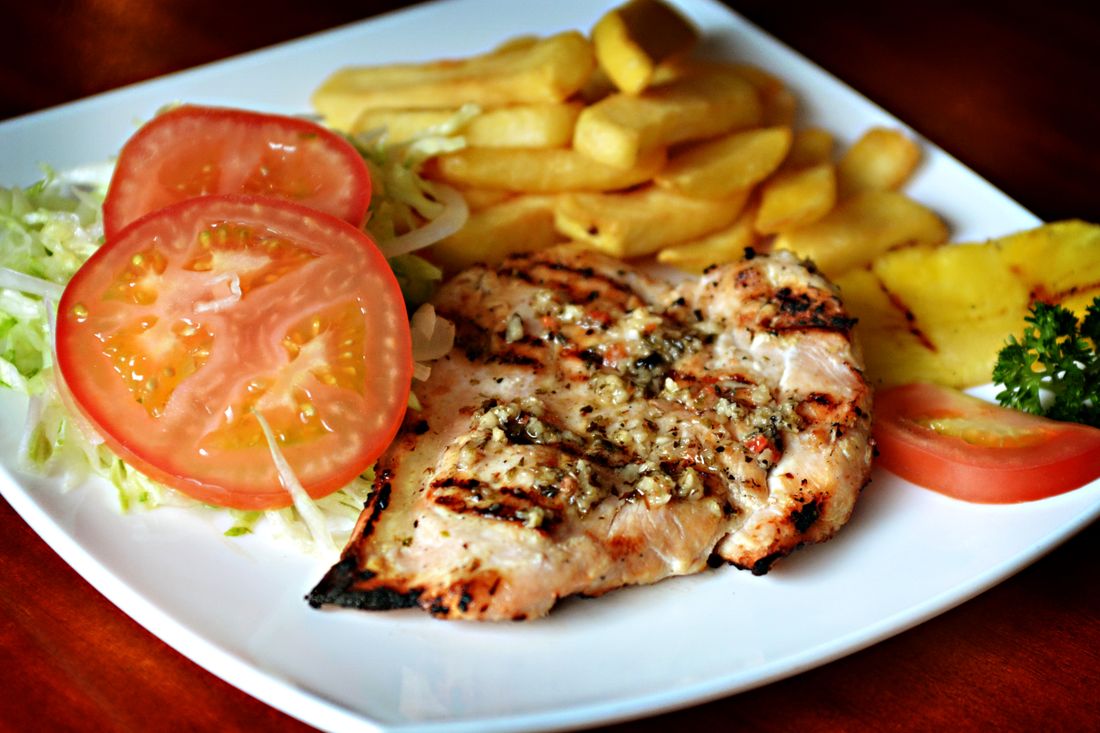
- A crisp green salad with a sharp vinaigrette to cut the smoke
- Grilled corn, zucchini, or asparagus — throw them on while the chicken rests
- A cold grain salad like couscous, farro, or orzo
- Garlic bread or warm pita to mop up the lemony juices
Grilled Chicken Breast FAQ
What temperature should grilled chicken breast be?
165°F (74°C) is the safe final temperature. Pull it off the grill at 160°F and let it rest — carryover heat carries it the rest of the way without overcooking.
How long does it take to grill chicken breast?
About 10–12 minutes total over medium-high heat for a ¾-inch breast — roughly 2–3 minutes of searing per side, then 4–6 minutes over indirect heat. Always confirm with a thermometer.
Do I really need to brine?
No, but even a 30-minute brine makes a noticeable difference in juiciness. If you skip it, season generously and be extra careful not to overcook.
Can I make this ahead?
Yes. Season or brine the breasts up to 24 hours ahead and keep them covered in the fridge. Cooked chicken holds for 4 days and reheats well.
Why does my grilled chicken always come out dry?
Two reasons: uneven thickness and overcooking. Pound the breasts even and cook to temperature instead of time. That’s the whole fix.
Where to Buy Pasture-Raised Chicken
Grilled chicken breast is only as good as the bird you start with, and supermarket chicken is often watery and bland from the plant. Pasture-raised chicken from a local farm has firmer texture and real flavor that stands up to the grill. Use our Find a Farmer directory to track down pasture-raised poultry near you — it’s worth the trip.
Want to branch out? Try our perfect roast chicken or crispy baked chicken thighs next, and brush up on technique with our grilling guide.
Recipe by Alfred Cleaver