Garlic Herb Roast Leg of Lamb (Juicy & Foolproof)
By William Pairing
A bone-in leg of lamb is the kind of centerpiece that makes people think you fussed all day, when really the oven did most of the work. Here’s the honest tip up front: don’t overcook it. Lamb slides from rose-pink and buttery to gray and chewy faster than beef does, so a decent instant-read thermometer is worth more than any clever technique. Pull it at 130°F for medium-rare, let it rest, and carryover heat finishes the job.
I keep coming back to a bone-in leg because the bone adds flavor, keeps the meat moist, and gives you something to hold while you carve. Rub it with garlic and herbs, start it in a hot oven, drop the heat to finish, and you get a burnished crust over meat that’s still juicy in the middle. If you can get a grass-fed leg farm-direct, do it — pasture-raised lamb has a cleaner, less gamey flavor that stands up beautifully to garlic, rosemary, and lemon.
Why this roast leg of lamb works
- Two-temperature roasting. A blast of high heat builds a deep crust, then a gentle finish cooks the inside evenly instead of scorching the edges.
- A garlic-herb paste worked into the meat. Pushing seasoning into shallow slits means flavor in every slice, not just on the surface.
- Bone-in for insurance. The bone means more flavor and a built-in buffer against dry meat.
- Cook by temperature, not the clock. A thermometer takes all the guesswork out.
- Resting is built into the timeline so the juices stay in the meat instead of running onto the board.
Ingredients
For the lamb
- 1 bone-in leg of lamb, 5–6 lbs (2.3–2.7 kg), preferably grass-fed
- 6 garlic cloves, minced
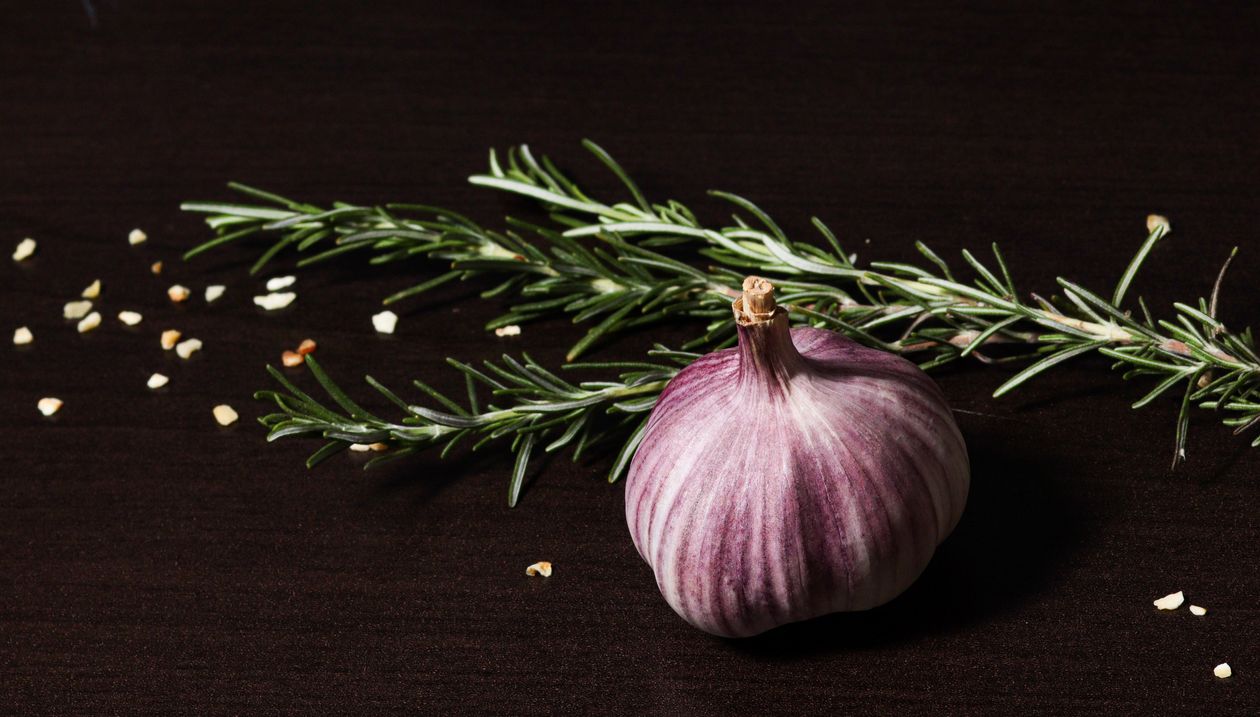
- 2 tbsp fresh rosemary, chopped (or 2 tsp dried)
- 1 tbsp fresh thyme leaves (or 1 tsp dried)
- 3 tbsp olive oil
- Zest of 1 lemon, plus 2 tbsp juice
- 2 tsp kosher salt, plus more for early seasoning
- 1 tsp black pepper
For the pan and quick gravy (optional)
- 1 onion, quartered
- 2 carrots, cut in chunks
- 1 cup (240 ml) chicken or beef stock
- 1/2 cup (120 ml) dry white wine (or more stock)
Substitutions: No fresh herbs? Use dried at about one-third the amount. No lemon? A splash of red wine vinegar brightens things the same way. Boneless leg works too — it carves easier and cooks a touch faster, so start checking the temp 15–20 minutes early.
How to roast a leg of lamb
- Temper the meat. Pull the lamb from the fridge about 1 hour before cooking. Roasting cold meat straight from the fridge cooks unevenly — the outside overshoots before the center catches up.
- Dry it well. Pat the leg bone-dry with paper towels. A dry surface browns; a wet one steams. Trim any thick, papery fat but leave a thin layer for flavor.
- Make the paste. Mash the garlic, rosemary, thyme, olive oil, lemon zest and juice, salt, and pepper into a rough paste. Cut a dozen shallow slits across the leg with a paring knife, push a little paste into each, then rub the rest all over.
- Sear in a hot oven. Heat the oven to 450°F (230°C). Scatter the onion and carrots in a roasting pan, set the lamb on top (or on a rack), and roast 20 minutes to build a crust.
- Drop the heat and finish. Lower the oven to 325°F (160°C) and keep roasting, about 12–15 minutes per pound, until a thermometer in the thickest part (not touching bone) reads 130°F (54°C) for medium-rare or 135–140°F (57–60°C) for medium. For a 5–6 lb leg that’s roughly 1 to 1.5 hours after the sear.
- Pull it early. Take it out at least 5°F below your target — carryover heat keeps cooking it as it rests.
- Rest, and mean it. Tent loosely with foil and rest 15–20 minutes. Cut too soon and the juices end up on the board instead of in the meat.
- Carve against the grain in thin slices, working around the bone, and spoon over any pan juices.
Doneness guide: rare 125°F, medium-rare 130–135°F, medium 140°F, medium-well 150°F. Want more on the method itself? See our guide to roasting.
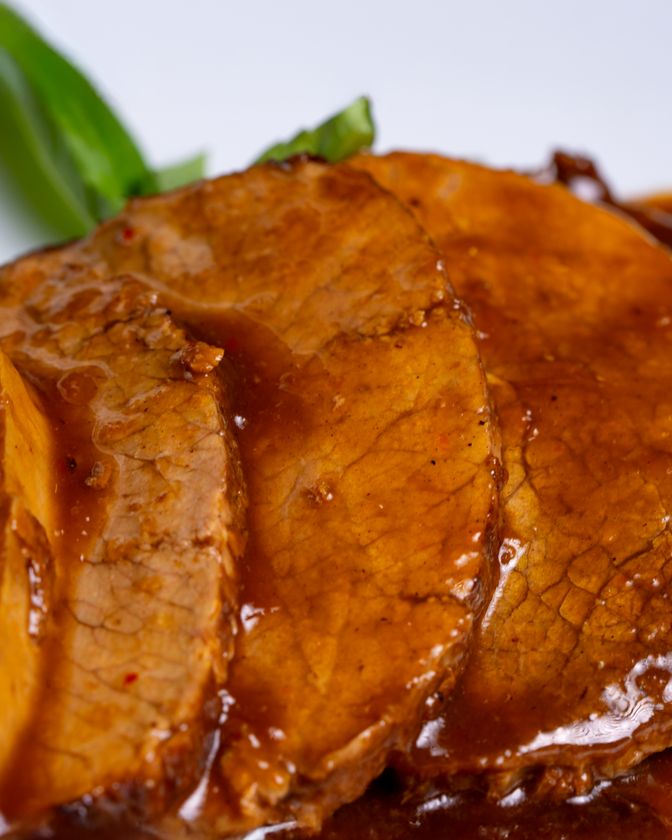
Pro tips and common mistakes
- Use the thermometer. Lamb’s window between perfect and overdone is narrow — guessing is how good legs get ruined.
- Salt early. Even 40 minutes ahead helps; overnight in the fridge, uncovered, is better still.
- Don’t crowd the pan. Too many vegetables packed underneath will steam the roast instead of letting it brown.
- Tent if it browns too fast. If the crust is getting dark before the center’s done, loosely cover with foil and keep going.
- Save the bone for stock — lamb bone makes a rich, deeply savory base.
Storage and leftovers
Fridge: wrap tightly and keep up to 4 days. Freezer: slice first, wrap well, and freeze up to 3 months. Reheat gently in a 300°F oven with a splash of stock, covered, just until warmed through — blasting it dries it out. Cold slices are excellent in sandwiches or piled over a grain bowl.
What to serve with roast lamb
- Roasted potatoes or a garlicky potato gratin
- Minted yogurt or a classic mint sauce to cut the richness
- Charred green beans or roasted asparagus
- A crisp green salad with lemon
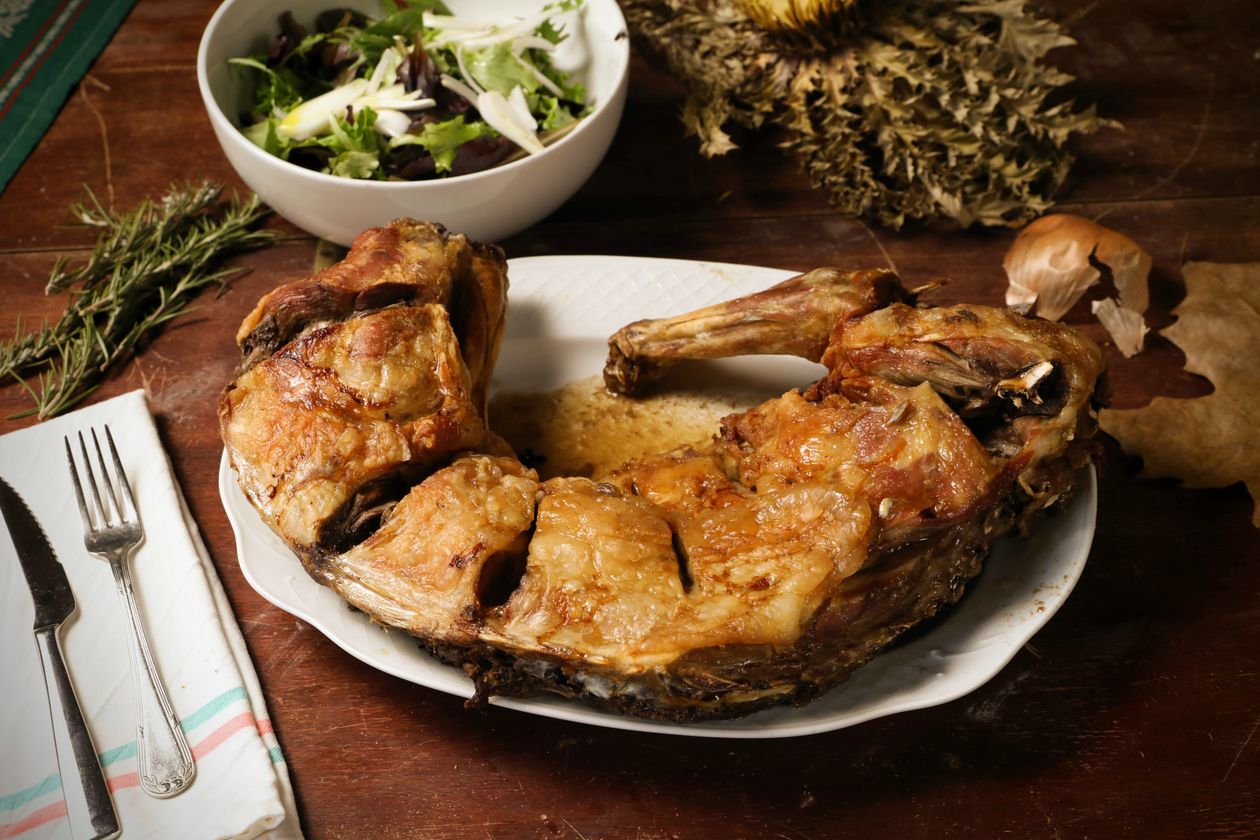
Frequently asked questions
What temperature should leg of lamb be cooked to?
For medium-rare, pull it at 130°F (54°C) and rest — it’ll climb to about 135°F. Medium is 140°F. Once you pass 150°F it starts to dry out.
Bone-in or boneless?
Bone-in has more flavor, stays juicier, and makes the temperature easier to nail. Boneless carves more easily and cooks a bit faster — just start checking 15–20 minutes early.
How long does it take to roast a leg of lamb?
After a 20-minute sear at 450°F, figure roughly 12–15 minutes per pound at 325°F. A 5–6 lb leg lands around 1 to 1.5 hours total — but go by temperature, not the clock.
Can I make it ahead?
Rub it with the garlic-herb paste up to a day ahead and keep it covered in the fridge; that actually deepens the flavor. Roast it fresh the day you serve.
Why is my lamb gamey?
Much of that “gamey” taste lives in the fat. Trim the excess, and choose grass-fed, pasture-raised lamb, which tends to taste cleaner. Garlic, lemon, and rosemary mellow it too.
Where to buy the lamb
Good lamb makes this recipe, so start with the meat. A fresh, grass-fed bone-in leg from a local farm beats anything shrink-wrapped and flown in from the other side of the world. Use our Find a Farmer directory to track down pasture-raised lamb near you. Curious about the cut itself? Our leg of lamb guide breaks down what to look for, and the lamb hub covers every primal.
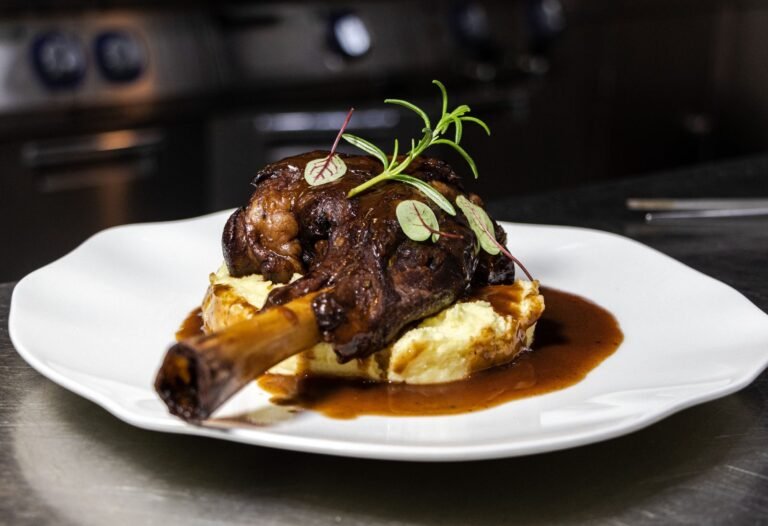
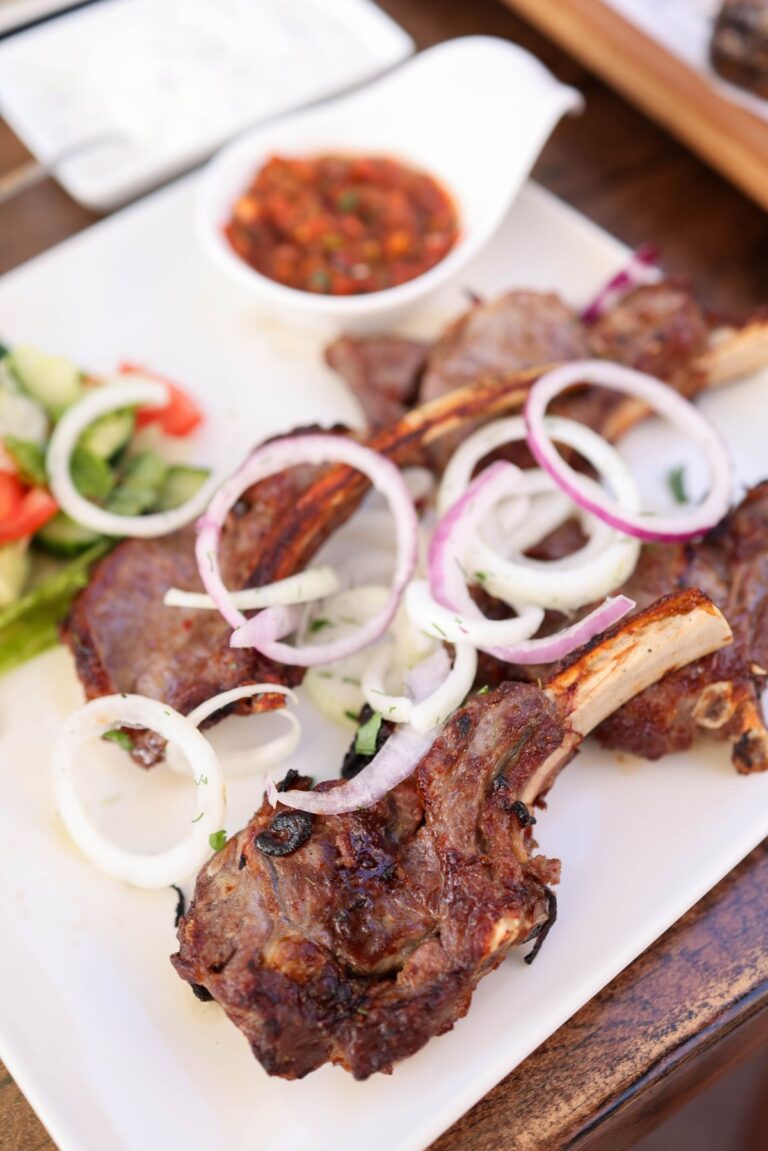
Want more lamb on the table? Try our grilled lamb loin chops an herb-crusted rack of lamb or fall-apart braised lamb shanks.