Sous Vide Ribeye (Perfect Edge-to-Edge Medium-Rare)
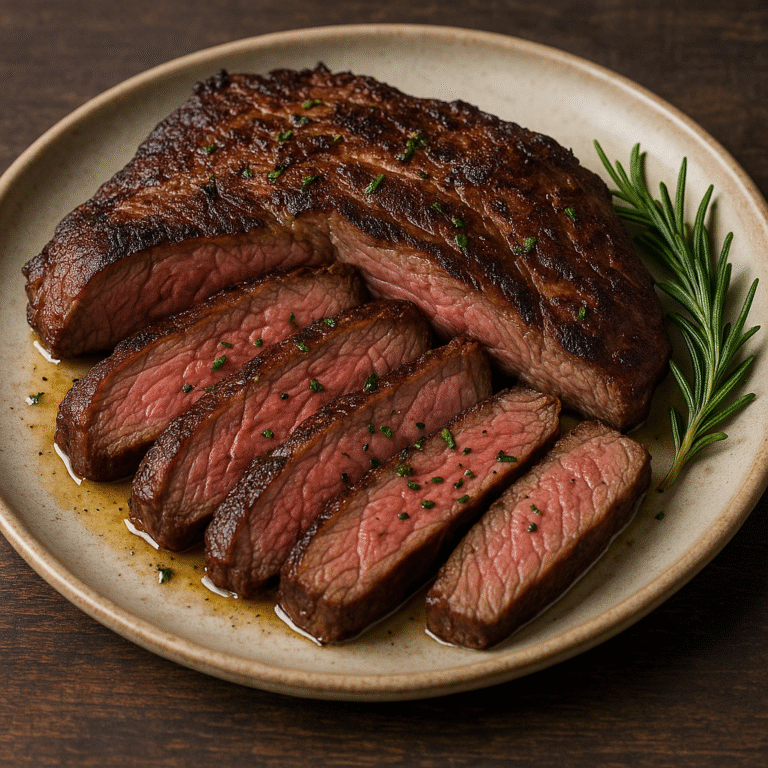
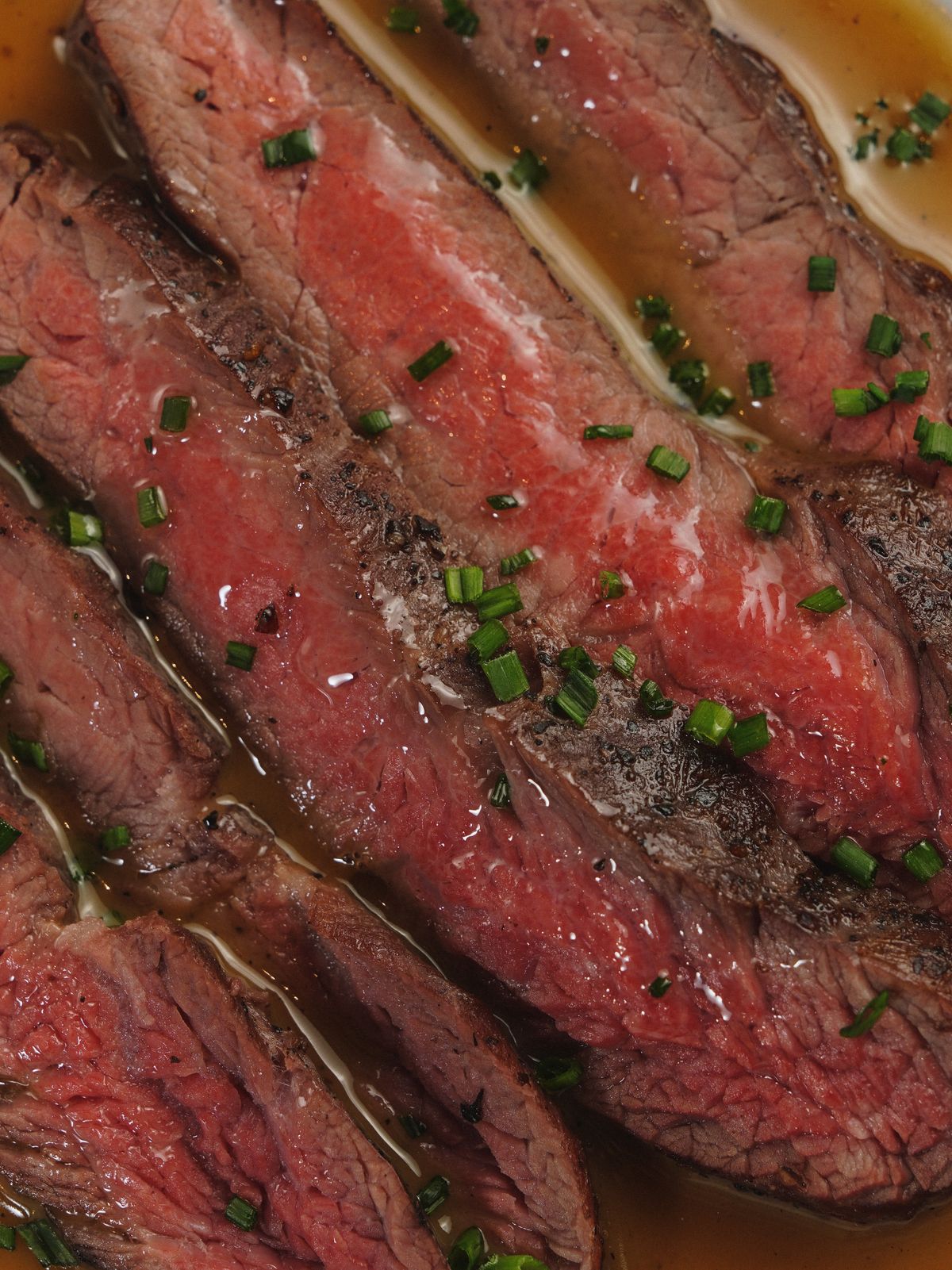
If you have ever cut into a ribeye and found a bullseye of gray around a thin ribbon of pink, this is the fix. At 131F the whole steak turns the same rosy medium-rare, corner to corner, and a fast, furious sear does the rest. Ribeye is richly marbled, and that fat needs gentle, steady heat to render and turn silky rather than greasy, which is exactly what a water bath provides. It is the most reliable ribeye you will ever cook, and it takes the stress out of an expensive steak. Start with a well-marbled ribeye at least 1.25 inches thick from a farm you trust.
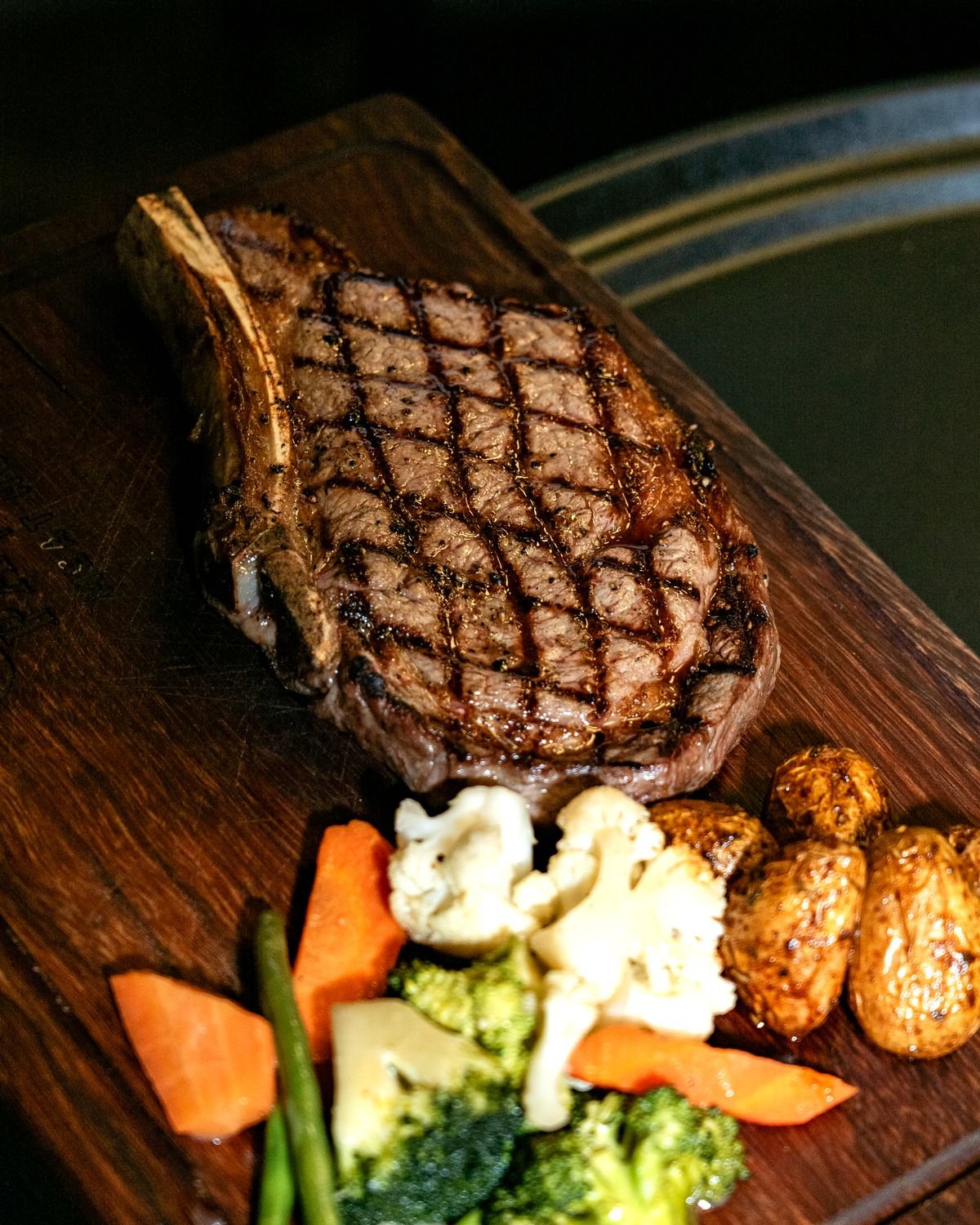
Why this recipe works
- A steady 131F bath cooks the ribeye evenly, so there is no gray band and no undercooked center, just uniform medium-rare.
- Gentle heat renders the marbling slowly, turning the fat soft and buttery instead of chewy.
- The wide time window means an expensive steak is no longer a high-stakes gamble on timing.
- A blistering sear at the end gives you the crust and the browned, beefy flavor without cooking the interior further.
A note on the bag
Sous vide means sealing the food, and that usually means plastic. We prefer to cook with wood and metal and avoid plastic where we can, so we will be straight with you. Use food-grade bags rated for cooking, or better, a reusable silicone bag sealed with the water-displacement method. Keep the bath gentle rather than a boil, and never reuse a bag that has warped. It is a real trade-off, and we would rather name it than pretend it is not there.
Ingredients
- 2 ribeye steaks, about 1.25 inches thick
- 1 teaspoon kosher salt
- 0.5 teaspoon black pepper
- 2 cloves garlic, smashed
- 2 sprigs thyme or rosemary
- 1 tablespoon neutral oil, for searing
- 1 tablespoon butter, for searing
Substitutions: the same method and temperature suit a thick strip or a tomahawk. Swap the herbs for whatever you have on hand.
How to make it
- Set the bath. Heat the water to 131F with an immersion circulator for edge-to-edge medium-rare. We use an Anova, but any circulator that holds temperature works.
- Season and seal. Season the ribeyes with salt and pepper, add the garlic and herbs, and seal each in a food-grade or reusable silicone bag using the water-displacement method.
- Cook in the bath. Cook for 1.5 to 2 hours. The extra time lets the marbling render fully into that silky texture ribeye is prized for.
- Dry the steaks. Take the steaks out and pat them completely dry. A dry surface is the only way to get a fast, deep crust.
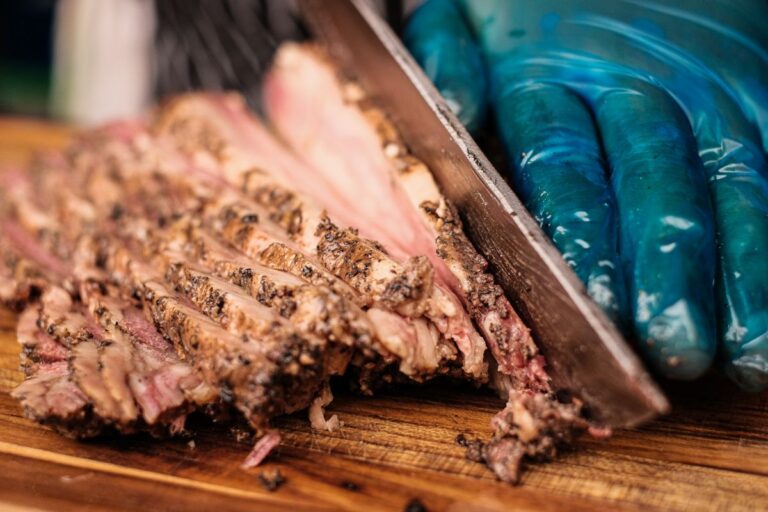
- Sear hot. Heat the oil in a cast iron pan until it just smokes, add the butter, and sear each ribeye about a minute a side, basting the edges. Rest a couple of minutes, then slice.
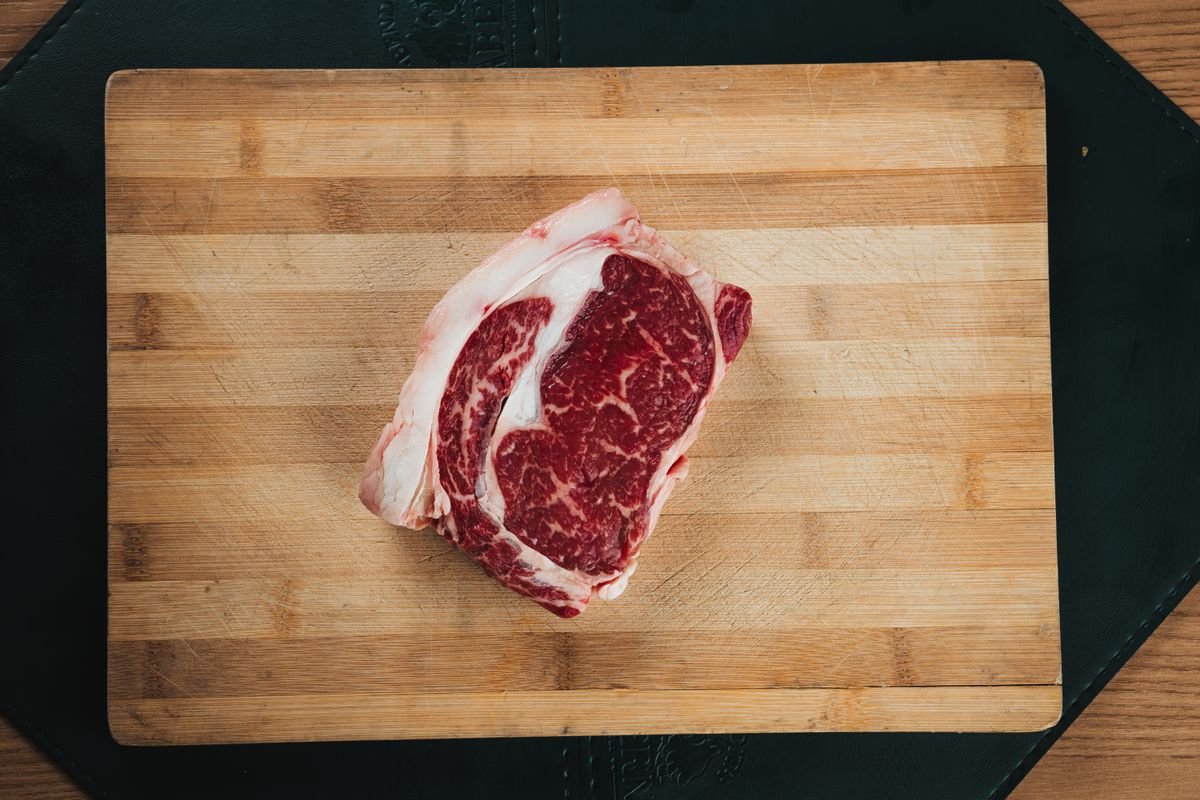
Pro tips and common mistakes
- Dry the steaks hard before searing. Surface water steams and blocks the crust in the short time you have.
- Sear fast and hot. The ribeye is already cooked, so the goal is only color, and a long sear overshoots.
- Render the fat cap. Hold each steak on its fatty edge in the pan for a few seconds so that band crisps.
- We lift and turn with metal tongs, never plastic, near a smoking pan.
- Confirm the crust with an instant-read thermometer. We keep a Thermapen by the stove.
Storage and leftovers
Cooked ribeye keeps for up to 3 days in the fridge. Because it is gently cooked, reheat it briefly and low or slice it cold over a salad. The make-ahead trick shines here: cook the ribeye in the bath, chill it fast in ice water while sealed, refrigerate, then sear straight from cold when you are ready. That turns a special-occasion steak into a weeknight-easy one, with only the sear left to do at dinner.
What to serve with it
- A red wine pan sauce or a knob of blue cheese butter.
- Crispy roast or mashed potatoes.
- Roasted mushrooms or creamed spinach.
- A big red like Cabernet or Syrah.
Why ribeye loves sous vide
Ribeye is the most marbled of the common steaks, threaded with fat that gives it that rich, beefy flavor. That fat is also why it can go wrong. Cook it too fast and the exterior overcooks while the marbling in the center never gets the chance to soften, leaving chewy pockets. A steady water bath solves that by holding the whole steak at one temperature long enough for the fat to render into something silky and even. You get the full luxury of the cut without the risk. Then the sear caramelizes the surface, and because the interior is locked at 131F, the crust never drags the middle past where you want it. It is the difference between a good ribeye and a great one.
Nutrition
About 520 calories, 40g protein, 40g fat, and 0g carbs per serving. These are estimates and vary with the exact cut, trim, and any substitutions.
FAQ
What temperature is best for sous vide ribeye?
131F gives an even, edge-to-edge medium-rare and gives the marbling time to render into a silky texture.
How long should ribeye cook sous vide?
About 1.5 to 2 hours for a 1.25 inch steak. The longer end helps the fat render fully.
Is the plastic bag safe?
Use food-grade bags rated for cooking or a reusable silicone bag, and keep the bath gentle. We prefer silicone.
Do I need to sear afterward?
Yes. The bath leaves the outside pale, so a fast, hot sear gives you the crust and browned flavor.
How do I crisp the fat cap?
Hold the steak on its fatty edge in the hot pan for a few seconds during the sear so that band renders and crisps.
Where to buy the beef
A great ribeye starts with great beef, so buy well. We look for well-marbled, grass-finished ribeye from small farms. Use our Find a Farmer directory to source ribeye near you.
Explore our full guide to beef for more on the cuts. For the same method on other cuts, try our sous vide steak guide or the leaner sous vide hanger steak. New to the method? Read our guide to cooking meat by every method.