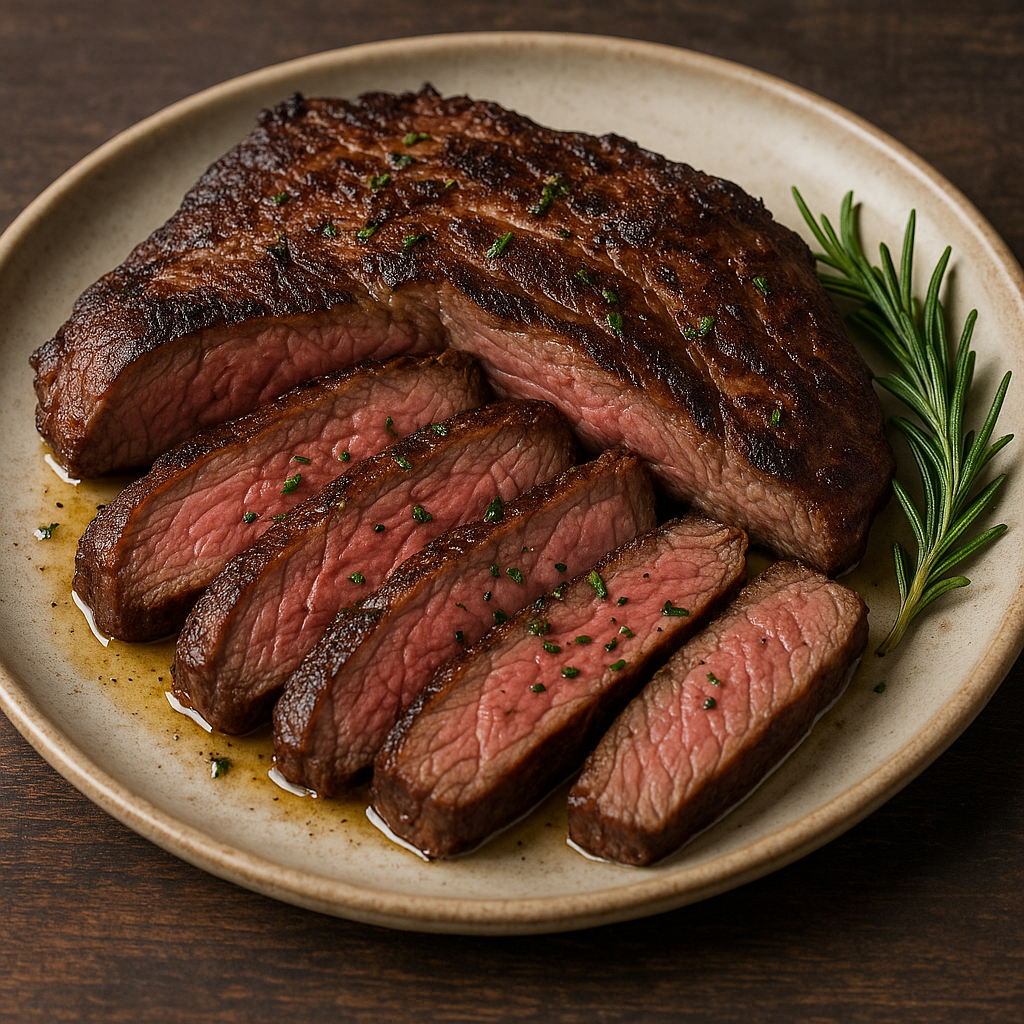
Sous Vide Hanger Steak
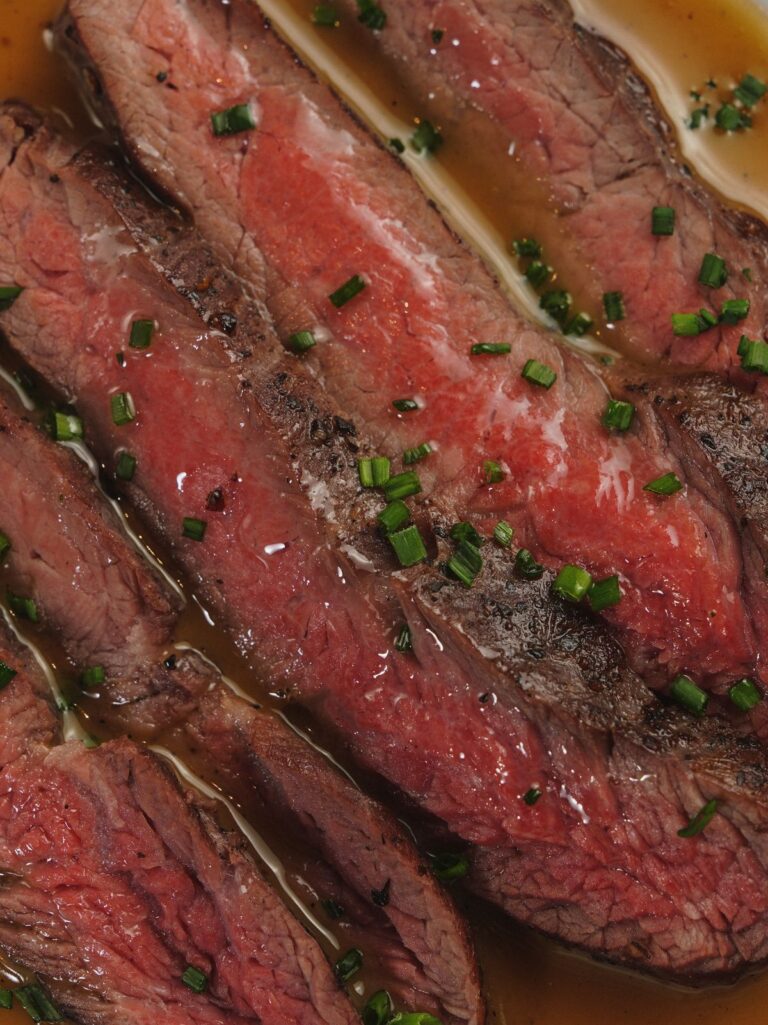
Hanger is lean and cooks fast, which makes it easy to overshoot on a grill or in a pan. Sous vide removes that risk entirely. A water bath holds the steak at one exact temperature, so a hanger set for 130F comes out a flawless medium-rare from edge to edge, every single time, whether you pull it at 90 minutes or two hours. Then a hard, fast sear gives you the crust. It is the most reliable way we know to cook this cut, and it frees you up to make everything else while the bath does the work. Start with grass-fed hanger and trim the center sinew before it goes in the bag.
Why this recipe works
- A precise water bath cooks the hanger evenly throughout, so there is no gray band around a rosy center.
- Holding at 130F guarantees medium-rare, the doneness where lean hanger stays juicy and tender.
- The long, gentle cook gives you a wide window, so the steak waits for you rather than the other way around.
- A screaming-hot sear at the end builds the crust without adding any heat to the interior.
A note on the bag
Sous vide means sealing the food, and that usually means plastic. We prefer to cook with wood and metal and avoid plastic where we can, so we will be straight with you. If you go the bag route, use food-grade bags rated for cooking, or better, a reusable silicone bag sealed with the water-displacement method. Keep the bath at these gentle temperatures rather than a boil, and never reuse a bag that has warped. It is an honest trade-off, and we would rather name it than pretend it is not there.
Ingredients
- 1.5 lb (680 g) hanger steak, trimmed
- 1 teaspoon kosher salt
- 0.5 teaspoon black pepper
- 2 sprigs fresh thyme
- 2 cloves garlic, smashed
- 1 tablespoon neutral oil, for searing
- 1 tablespoon butter, for searing
Substitutions: rosemary can replace thyme, and flank or flat iron take the same temperature and timing.
How to make it
- Set the bath. Heat the water to 130F with an immersion circulator. We use an Anova, but any circulator that holds temperature works.
- Season and seal. Season the steak with salt and pepper, add the thyme and garlic, and seal it in a food-grade or reusable silicone bag using the water-displacement method.
- Cook in the bath. Lower the bag into the water and cook for 2 hours. This is long enough to guarantee a tender, even medium-rare.
- Dry the steak. Take the steak out and pat it bone dry. A wet surface will not brown, and the sear needs to be fast.
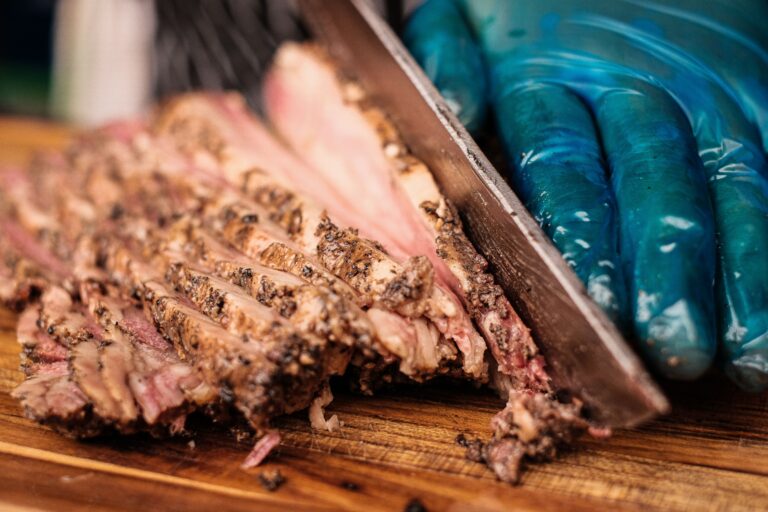
- Sear hot. Heat the oil in a cast iron pan until it just smokes, add the butter, and sear the steak about 45 seconds a side for a deep crust. Rest a couple of minutes, then slice against the grain.
Pro tips and common mistakes
- Dry the steak hard before searing. Any surface water steams and stops the crust from forming in the short time you have.
- Sear fast and hot. The steak is already cooked through, so the only goal is color. A long sear pushes past your target.
- We lift and turn with metal tongs, never plastic, especially near a smoking pan.
- Check the water level over a long cook so the circulator stays submerged. A lid or a few ping-pong balls slow evaporation.
- Confirm the final crust temperature with an instant-read thermometer. We keep a Thermapen by the stove for the sear.
Storage and leftovers
Cooked hanger keeps for up to 3 days in the fridge. Because sous vide steak is gently cooked, reheat it briefly and low, or slice it cold over a salad. One of the best tricks with a circulator is the make-ahead: cook the steak in the bath, chill it fast in ice water while still sealed, and refrigerate for a day or two, then sear straight from cold when you are ready to eat. We do not freeze cooked hanger, since the lean meat dries on the thaw.
What to serve with it
- A pan sauce built in the searing skillet with a splash of red wine.
- Roasted or mashed potatoes.
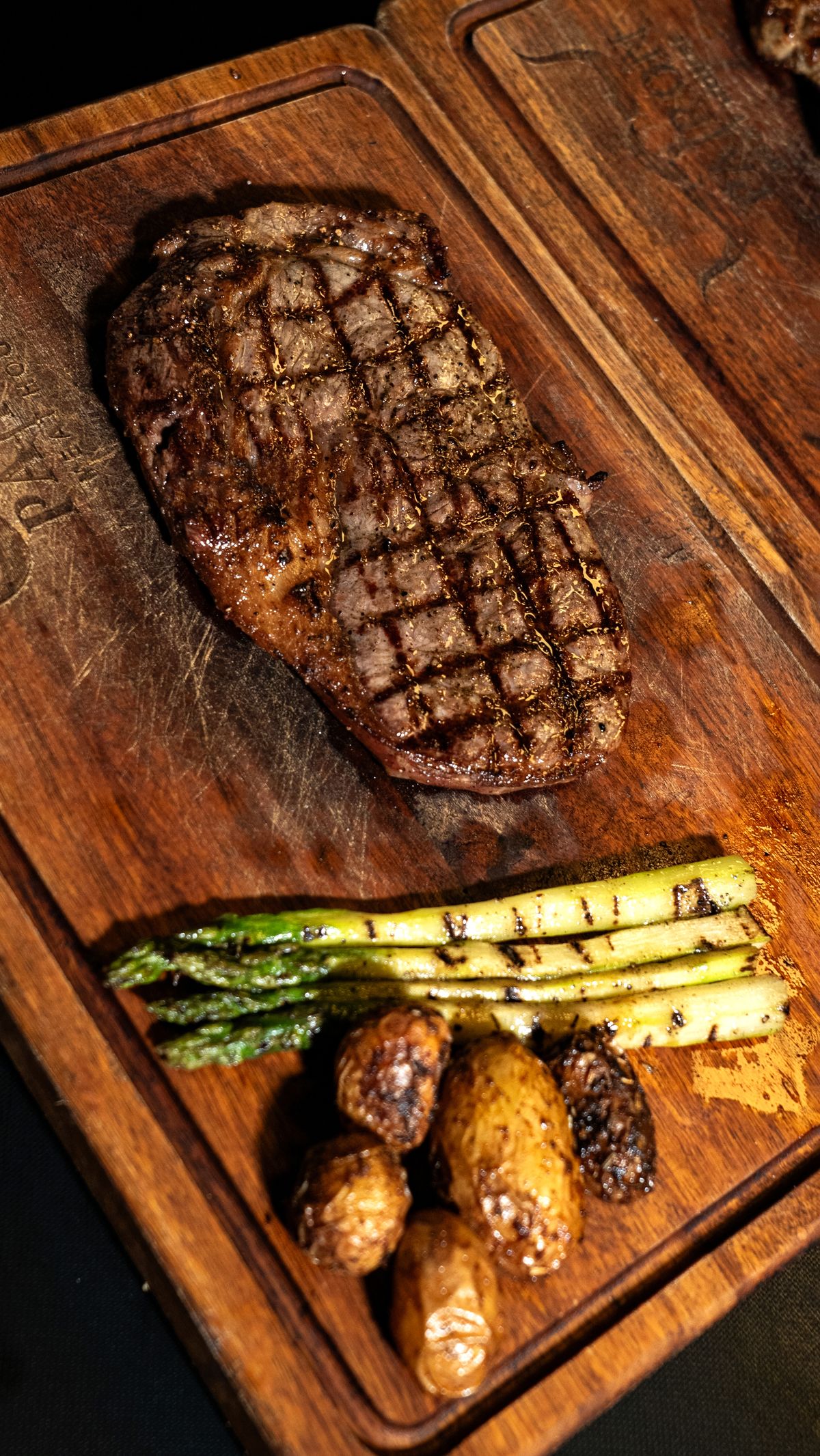
- A crisp salad or grilled asparagus.
- Chimichurri or a spoon of compound butter.
Why sous vide suits a lean cut
Lean cuts like hanger are the ones most likely to dry out with traditional cooking, because the window between juicy and overdone is so narrow. Sous vide widens that window from seconds to hours. Since the water never gets hotter than your target, the steak physically cannot overcook while it sits in the bath, so there is no rushing, no poking, and no guesswork. That control matters most on a cut with little fat to forgive a mistake. You also get to season and infuse the meat as it cooks, so the thyme and garlic perfume the whole steak rather than just the surface. The result is a hanger that is tender all the way through, which is exactly what this flavorful but unforgiving cut deserves.
Nutrition
About 320 calories, 31g protein, 21g fat, and 1g carbs per serving. These are estimates and vary with the exact cut, trim, and any substitutions.
FAQ
What temperature for sous vide hanger steak?
We set the bath to 130F for medium-rare. Go to 135F for medium if you prefer it a touch firmer.
How long does it need?
About 2 hours. Hanger is thin, so it does not need longer, and past about four hours the texture starts to soften too much.
Is the plastic bag safe?
Use food-grade bags rated for cooking or a reusable silicone bag, and keep the bath gentle. We prefer silicone and name the trade-off honestly.
Do I have to sear afterward?
Yes. The bath leaves the outside pale, so a fast, hot sear gives you the crust and flavor.
Can I cook it ahead?
Yes. Chill the sealed steak in ice water after the bath, refrigerate, and sear straight from cold when you want to eat.
Where to buy the beef
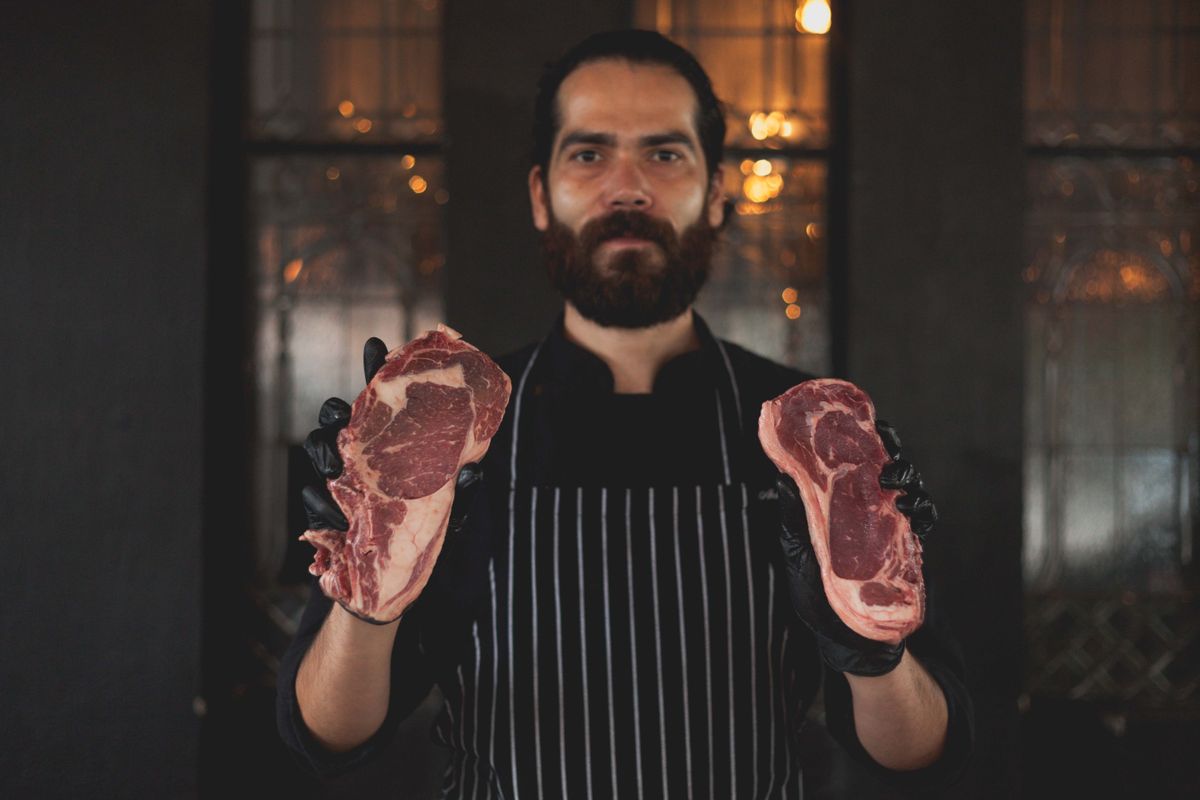
Ask your butcher for hanger, and grass-fed if you can get it. Use our Find a Farmer directory to source hanger steak near you.
Learn more in our guide to hanger steak and our full guide to beef. For more hanger, try our crispy skillet hanger steak or smoked hanger steak. Want the same method on a richer cut? Try our sous vide ribeye.