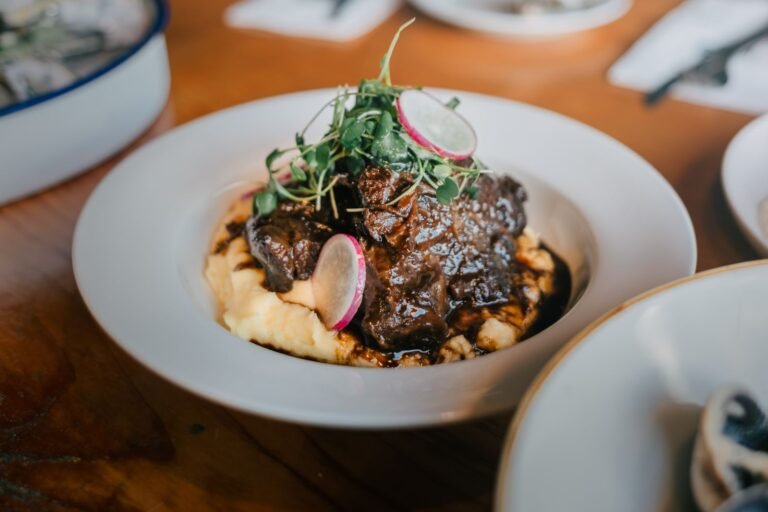
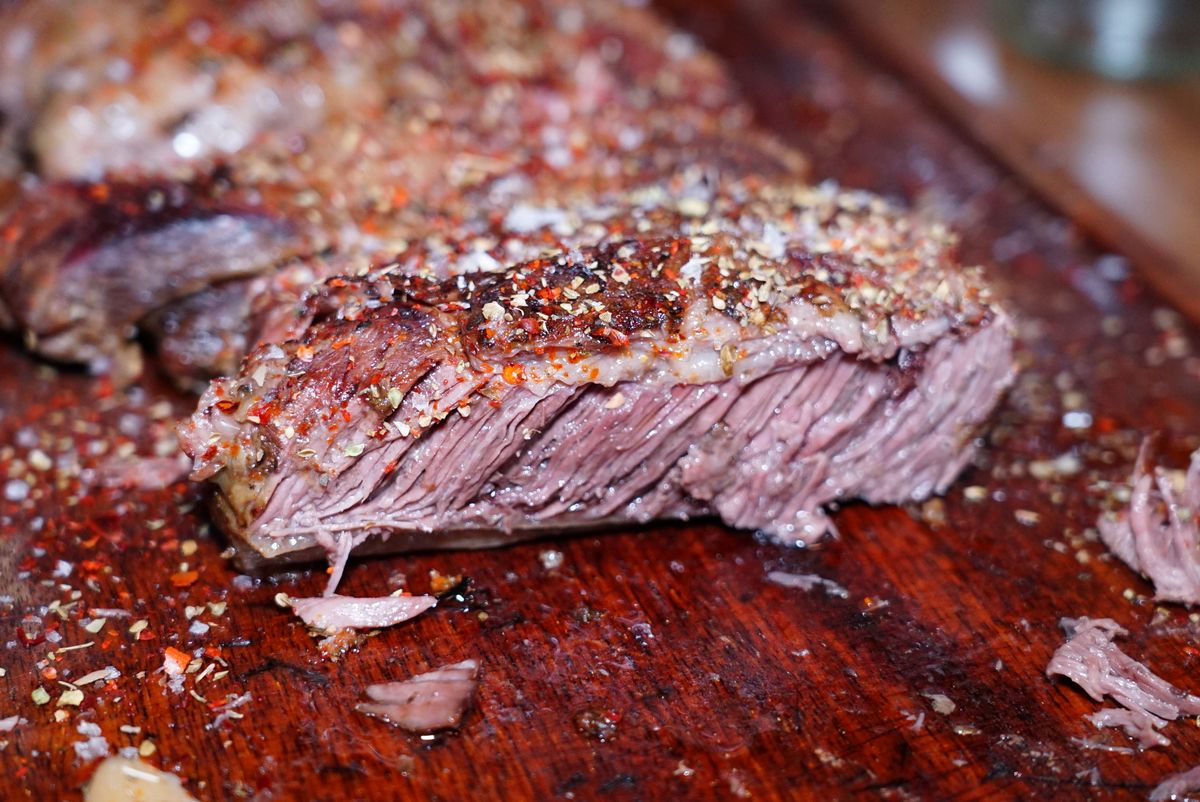
Skillet/Pan-Seared Flat Cut
The flat cut sits in that sweet spot of the brisket where the fat and muscle fibers run loose enough to forgive a hot pan and a heavy hand. It is not the cut chefs reach for when they want elegance. It is the cut you reach for when you want dinner now and you want it to taste like you worked for it. Most people only ever braise or smoke a flat, but a thinner piece takes wonderfully to a fast, hard skillet sear, coming out crusty outside and juicy within. The keys are a well-trimmed piece, a ripping-hot pan, and slicing thin against the grain at the end. Start with a good flat cut from a farm you trust.
Why this recipe works
- The flat cut has enough marbling and loose grain to stay juicy under high, fast heat instead of drying out.
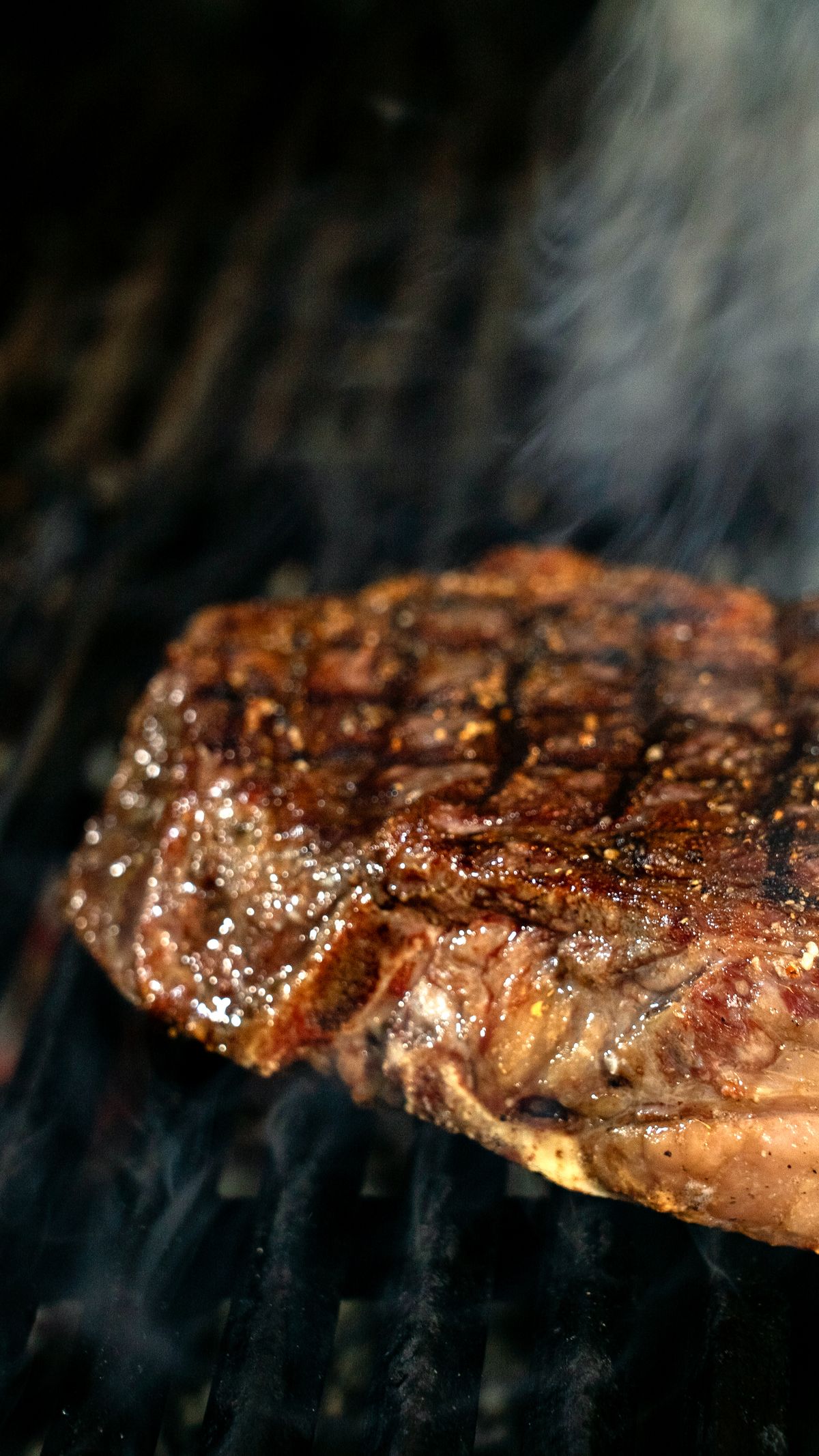
- A ripping-hot cast iron pan builds a deep crust quickly, before the interior can overcook.
- Basting with butter, garlic, and thyme layers flavor onto the surface and helps the meat cook evenly.
- Slicing thin against the grain shortens the muscle fibers, which turns a potentially chewy cut tender.
Ingredients
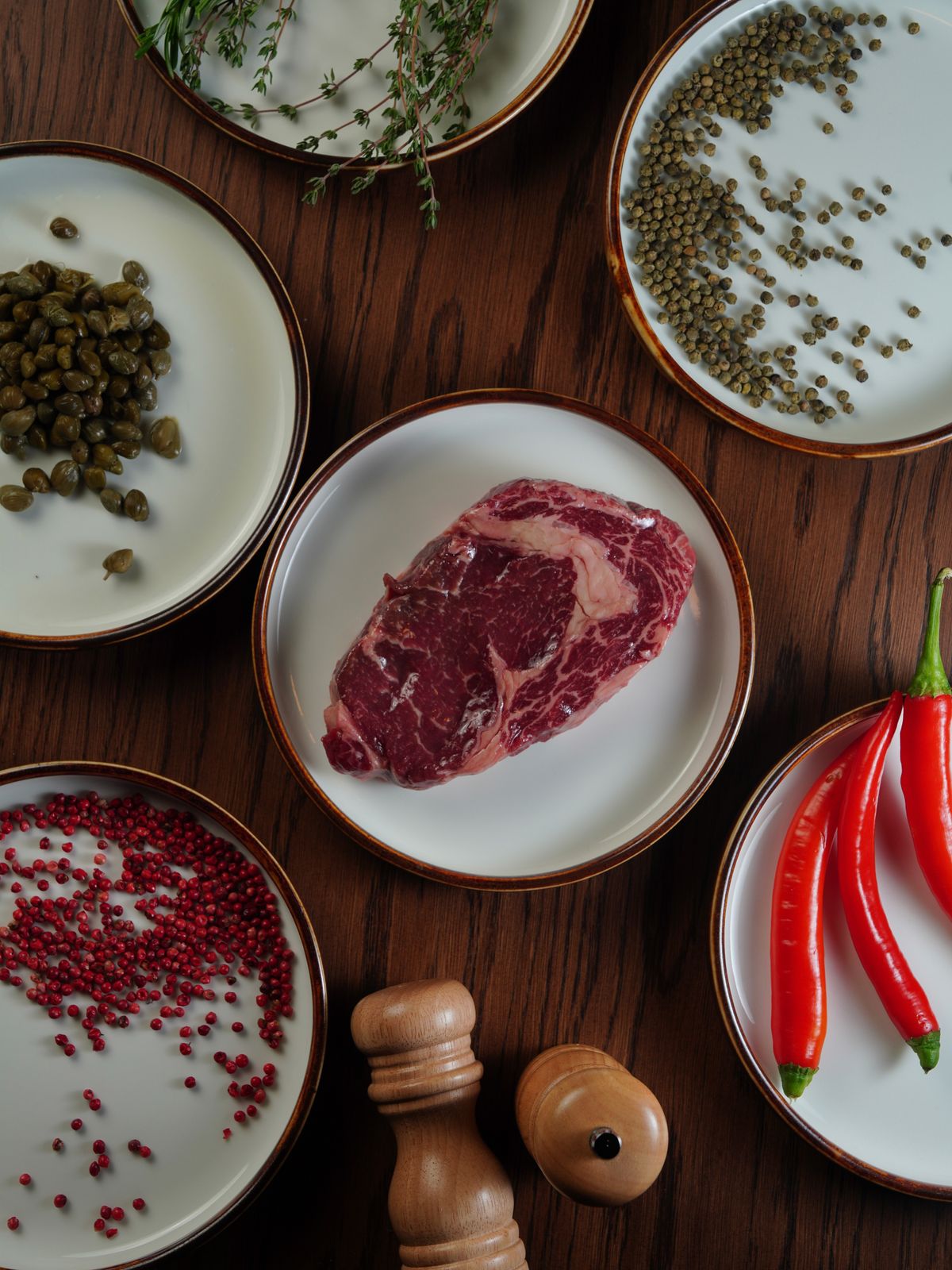
- 1.5 lb (680 g) beef flat cut, trimmed to a 0.25 inch fat cap
- 2 tablespoons neutral oil (avocado or grapeseed)
- 1 tablespoon coarse salt
- 1 teaspoon cracked black pepper
- 3 cloves garlic, smashed
- 2 sprigs fresh thyme
- 2 tablespoons unsalted butter
Substitutions: a thick flank or a tri-tip take the same treatment. Rosemary can stand in for thyme, and a splash of Worcestershire in the baste deepens the flavor.
How to make it
- Trim and season. Trim the fat cap to about a quarter inch, pat the meat very dry, and season it heavily with the salt and cracked pepper.
- Heat the pan. Add the oil to a cast iron skillet and heat over high until it just begins to smoke. The flat cut needs a hot surface to sear before it steams.
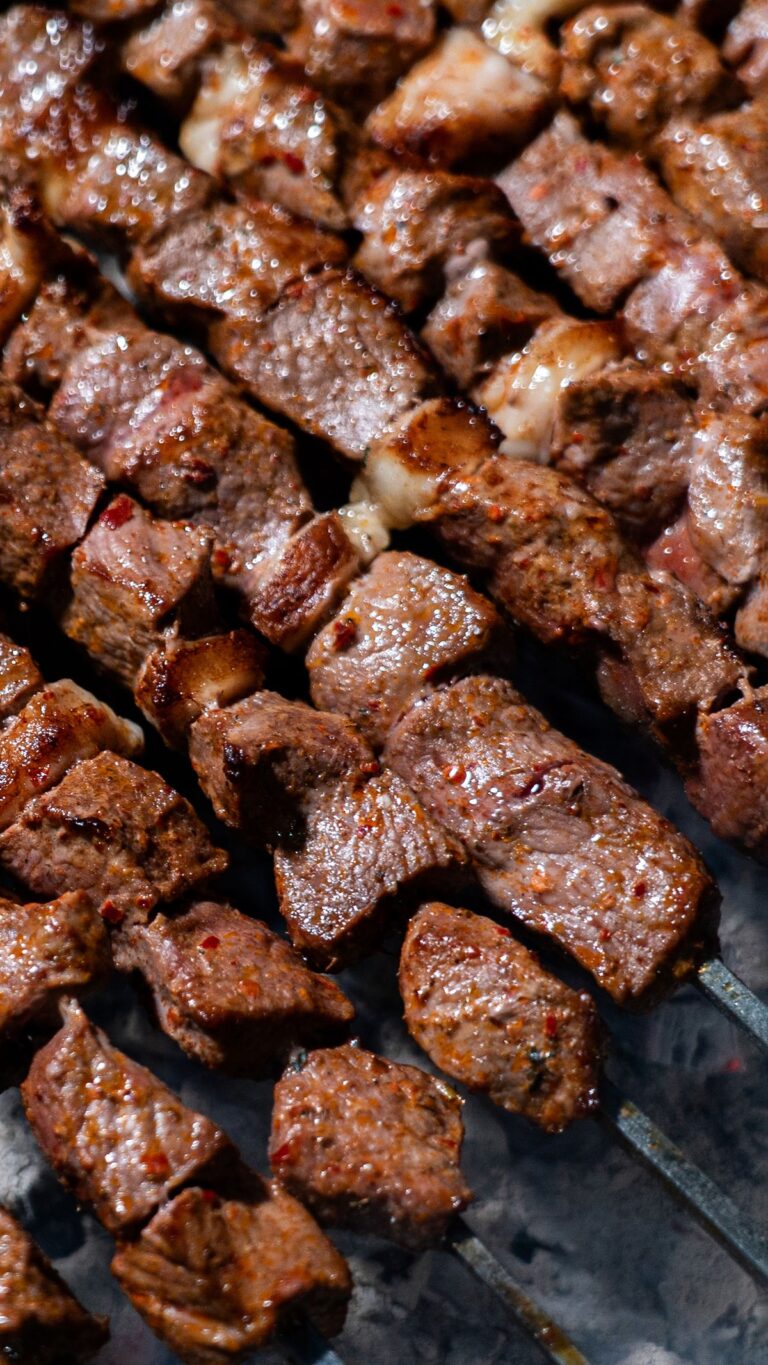
- Sear hard. Lay the meat down and leave it for 4 to 5 minutes, until a dark crust forms. Flip once and sear the second side for another 4 minutes.
- Baste. Add the butter, garlic, and thyme, tilt the pan, and spoon the foaming butter over the meat for a minute, pulling it at 130F for medium-rare.
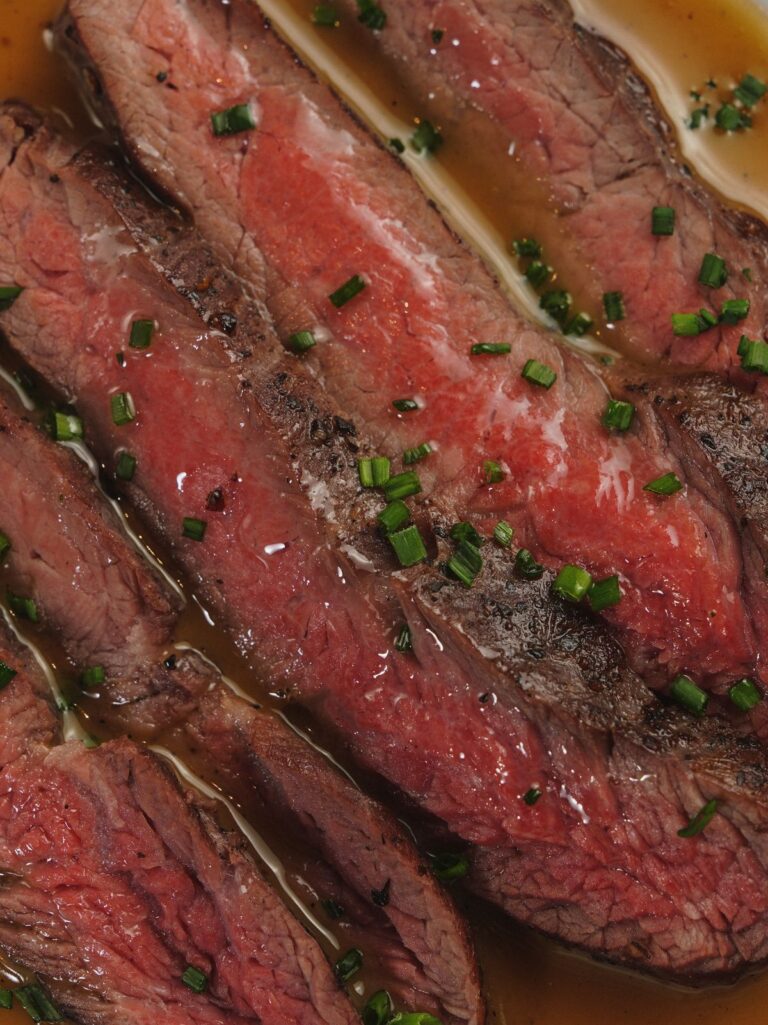
- Rest and slice. Rest the flat cut 10 minutes, then slice it very thin against the grain and spoon any pan butter over the top.
Pro tips and common mistakes
- Slice thin, and always against the grain. The flat cut is forgiving in the pan but unforgiving if you slice it the wrong way.
- Do not skip the rest. Ten minutes lets the juices settle so they stay in the meat when you cut it.
- Keep the fat cap on for the cook. It bastes the meat and renders as it sears, then you can trim any excess after.
- We sear in cast iron and turn with metal tongs or a fish spatula, never plastic, at this heat.
- Get the pan properly hot. A lukewarm skillet steams the meat gray instead of building a crust.
Storage and leftovers
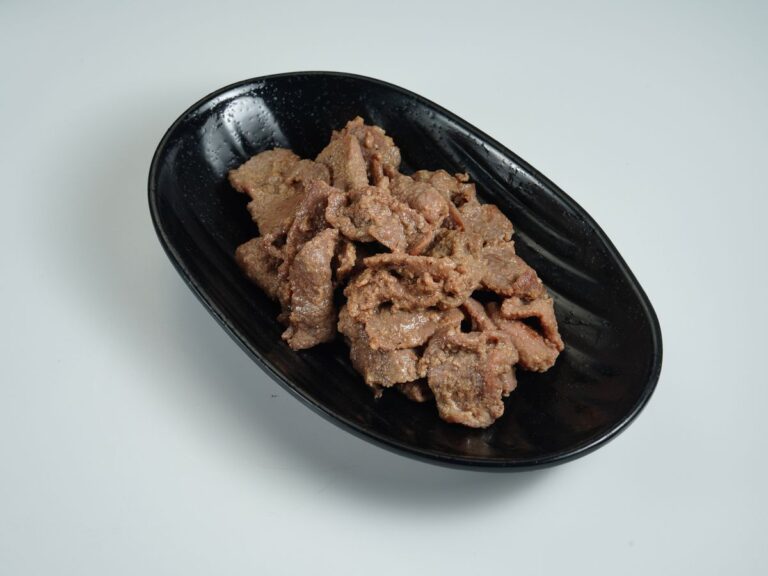
Cooked flat cut keeps for up to 3 days in the fridge. It is one of the best leftovers going, since thin slices are perfect cold in a sandwich with mustard and pickles, or warmed gently over rice or noodles. Reheat it low and brief so the lean meat does not toughen, or shred any well-done ends into a quick hash. We do not freeze the cooked steak, since the texture suffers on the thaw, though the raw cut freezes fine.
What to serve with it
- Roasted or mashed potatoes.
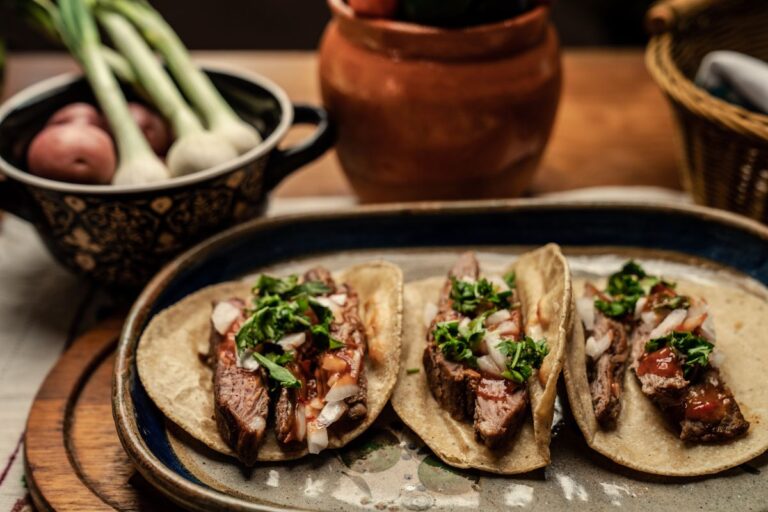
- A sharp horseradish cream or chimichurri.
- Charred greens or a crisp salad.
- Crusty bread and a bold red wine.
Understanding the flat cut
Brisket comes in two muscles, the point and the flat. The point is fattier and marbled, the one prized for burnt ends, while the flat is the leaner, more uniform muscle, the part you slice for classic sliced brisket. That even shape is exactly what makes a thinner flat cut work in a skillet: it lies flat in the pan for full contact and cooks at a consistent rate. Because it is leaner than the point, you do not want to push it past medium-rare, and you absolutely need to slice it thin across the grain, since the muscle fibers are long and pronounced. Think of this as a way to enjoy brisket flavor on a weeknight, without the twelve-hour smoke. Buy a piece an inch or so thick, or ask your butcher to cut a steak from the flat, and treat it like the honest, hard-working cut it is.
Nutrition
About 350 calories, 34g protein, 22g fat, and 1g carbs per serving. These are estimates and vary with the exact cut, trim, and any substitutions.
FAQ
What is the flat cut?
It is the leaner of the two brisket muscles, the even, uniform part used for classic sliced brisket. A thinner piece takes well to a skillet sear.
Can you pan-sear a flat cut?
Yes, as long as it is not too thick. Sear it hard and fast, pull it at medium-rare, and slice thin against the grain.
Why slice against the grain?
The flat has long, pronounced muscle fibers. Cutting across them shortens each fiber, which is what keeps the slices tender.
What doneness is best?
Medium-rare at 130F for a seared flat cut. Since it is lean, cooking it further trades away the juiciness.
Should I leave the fat cap on?
Yes, during cooking. Trim it to about a quarter inch first, let it render and baste the meat, then trim any excess before serving.
Where to buy the beef
Ask your butcher for a flat cut, or a steak cut from the flat, and grass-fed if you can. Use our Find a Farmer directory to source beef near you.
Learn more in our guide to the beef flat cut and our full guide to beef. For more beef, try our perfect burger or a sous vide steak. New to searing? Read our guide to cooking meat by every method.