How to Cook Meat: A Beginner\u2019s Guide to Every Method
Cooking meat well comes down to one idea: match the cut to the method. Tender cuts want fast, high heat. Tough cuts want low, slow heat. Get that single relationship right and almost everything else is detail. Most kitchen disappointments, the dry chicken breast, the chewy brisket, the gray steak, come from breaking that rule, either rushing a cut that needed time or slow-cooking one that needed a quick sear. Once you understand why the rule works, you can walk up to any piece of meat and know how to cook it. Here is the framework we come back to again and again.
Match the cut to the method
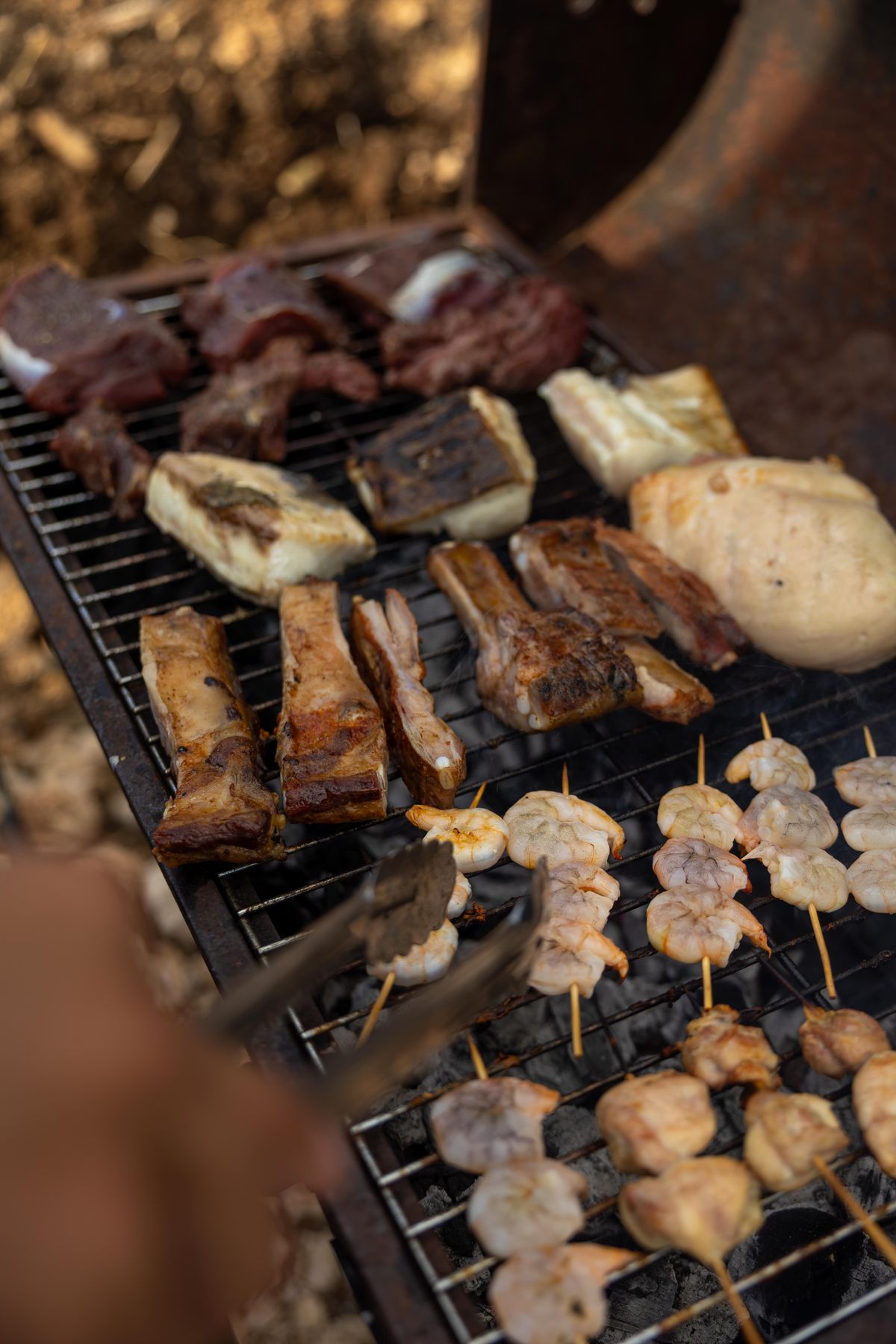
The muscles that do little work on the animal, like the loin that runs along the back, are naturally tender. They have little connective tissue, so they cook fast and are best with high, dry heat that browns the outside before the inside overcooks. Think steaks, chops, and tenderloin, cooked by grilling, pan-searing, or roasting hot. The muscles that work hard, like the shoulder, shank, and brisket, are full of collagen and fat. They are tough if you rush them, but give them low, slow, moist heat and that collagen melts into gelatin, turning them meltingly tender. Think braises, stews, and barbecue. When you know which camp a cut falls into, the right method chooses itself.
The high-heat methods
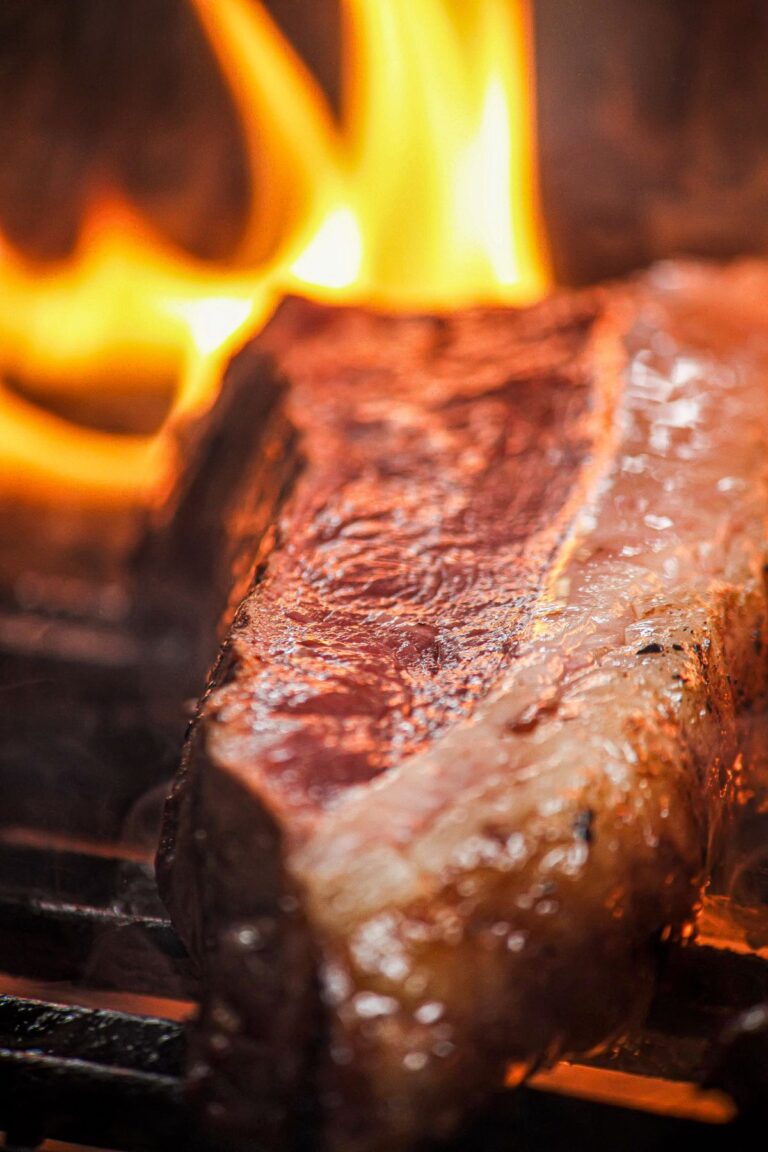
Grilling, pan-searing, roasting, and broiling all use high, dry heat to cook tender cuts quickly and build a browned crust. The goal is contrast: a deeply seared exterior around a juicy interior. Get the surface of the meat dry, get the pan or grill genuinely hot, and do not crowd it, since crowding drops the temperature and steams the meat gray. Use a thermometer rather than a timer, because thickness varies and a few degrees is the difference between juicy and dry. And always rest the meat afterward, so the juices settle back into the fibers instead of spilling onto the board.
The low-and-slow methods
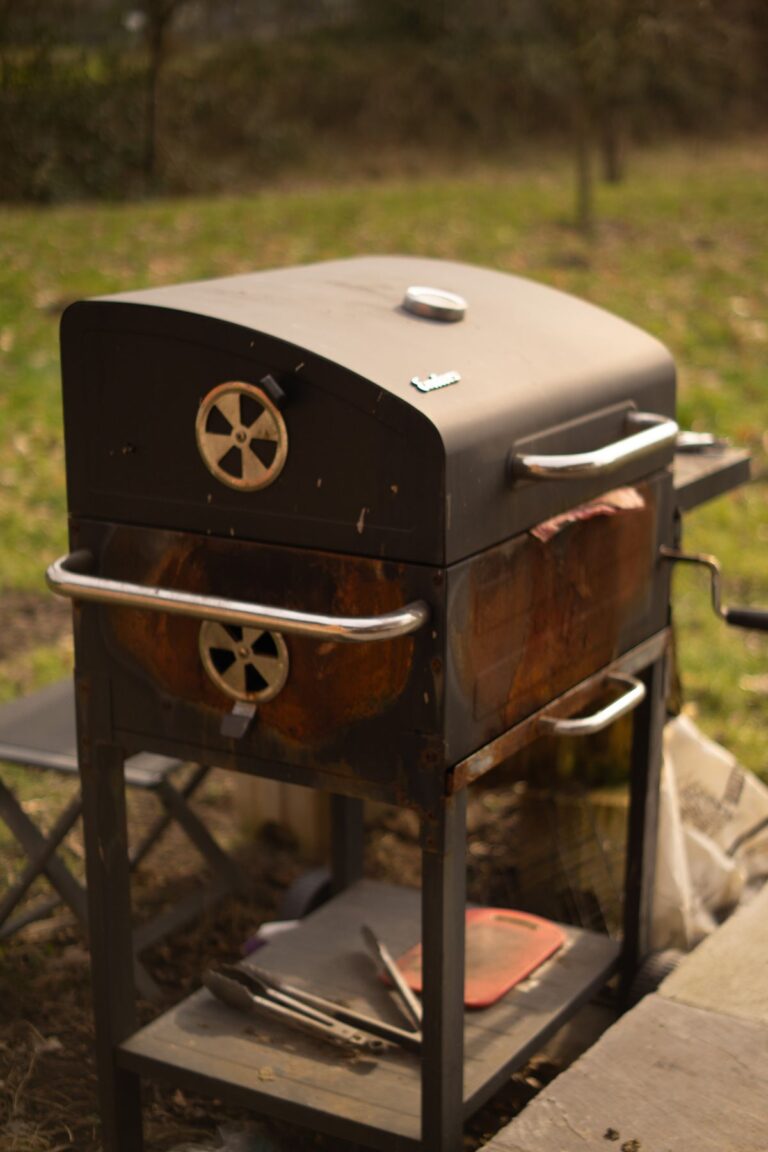
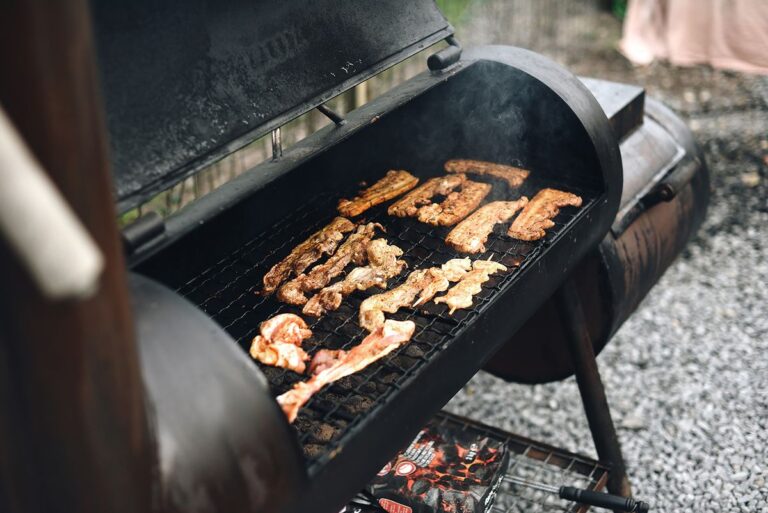
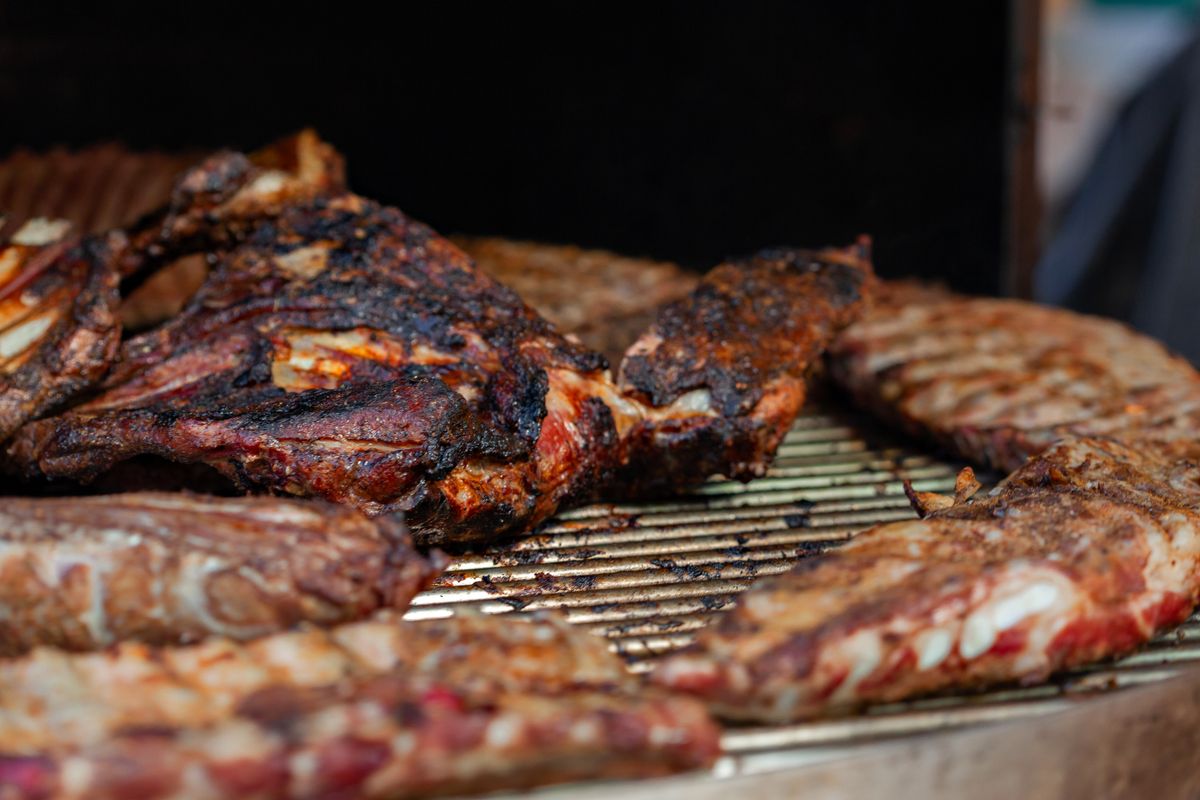
Braising, stewing, and barbecue use gentle, patient heat to transform tough cuts. The magic is collagen. Held at a low temperature long enough, that tough connective tissue dissolves into silky gelatin, which keeps the meat moist and gives sauces their body. Braising and stewing do this in liquid on the stove or in the oven, while barbecue does it in dry heat with smoke over many hours. The keys are the same across all three: keep the heat low, give it time, and cook to tenderness rather than to a strict clock. A shank or a shoulder is done when a probe slides in with no resistance, not when a timer beeps.
Temperature is everything
If you take one tool from this guide, make it a good instant-read thermometer. Doneness is a temperature, not a time, and eyeballing it is how good meat gets ruined. Steaks and chops are usually best pulled at 130F for medium-rare, poultry is safe at 165F or, with time, at a juicier lower temperature, and tough braising cuts want to go all the way to around 200F so the collagen fully melts. Remember carryover cooking too: meat keeps rising a few degrees after it leaves the heat, so pull it a touch early. We keep a fast instant-read like a Thermapen by the stove and reach for it constantly.
The details that matter
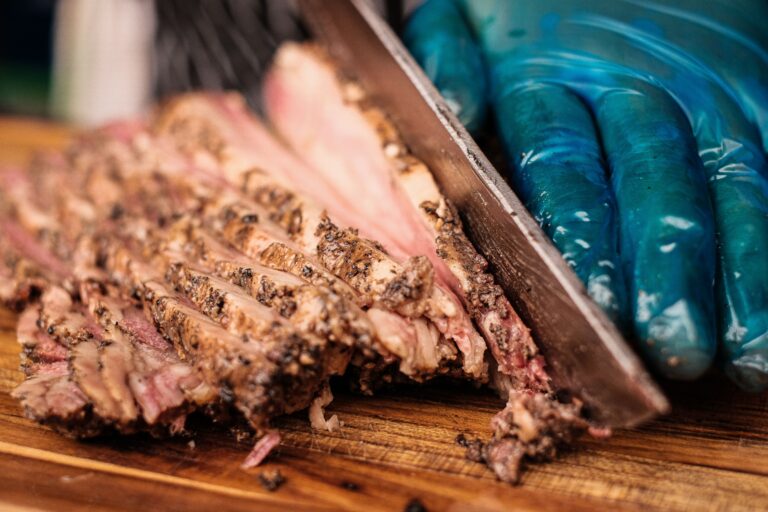
Beyond the big rule, a few small habits separate good cooks from frustrated ones. Salt early, ideally well ahead, so it can season the meat all the way through rather than just sitting on the surface. Dry the surface before high-heat cooking, because a wet surface steams instead of browning. Do not crowd the pan, and preheat it properly, since a hot, roomy surface is what builds a crust. Rest the meat after cooking, giving thin cuts a few minutes and roasts fifteen or more. And taste as you go where you can. None of these are complicated, but together they are the difference between meat that is merely cooked and meat that is genuinely good.
Bringing it together
Cooking meat is not about memorizing a hundred recipes. It is about understanding a handful of principles and applying them. Ask two questions of any cut: is it tender or tough, and therefore does it want fast heat or slow heat? From there, get the surface dry, get your heat right, lean on a thermometer, and rest the meat before you cut it. Do that and you can cook a steak, a shoulder, a whole bird, or a rack of ribs with the same confidence, because you understand what is actually happening in the meat rather than just following steps. That understanding is what turns cooking from a gamble into a craft.
FAQ
How do I know whether to cook a cut fast or slow?
Tender cuts from muscles that work little, like the loin, want fast high heat. Tough, hardworking cuts like shoulder and shank want low, slow heat.
Why is my steak gray instead of browned?
The surface was wet or the pan was not hot enough, or it was crowded. Dry the meat, preheat well, and give it room to sear.
What is the most useful tool for cooking meat?
A good instant-read thermometer. Doneness is a temperature, not a time, and it takes the guesswork out.
Why do I need to rest meat?
Resting lets the juices redistribute through the fibers so they stay in the meat when you cut, rather than running out onto the board.
Can I fix a tough braising cut by cooking it longer?
Usually yes. If a braise is still tough, it often just needs more time for the collagen to melt into gelatin.
Keep learning
Put the principles to work with a fast skillet hanger steak or a slow braised lamb shank. Dig into the science in our guide to umami and the Maillard reaction, and into low and slow cooking in our backyard barbecue basics. Explore the cuts in our guides to beef and pork, and source great meat through our Find a Farmer directory.