Smoking Meat at Home: A Beginner\u2019s Guide
Smoking is barbecue with wood: low heat, long time, and smoke that works its way into the meat over hours. It is the method behind great brisket, tender ribs, and pulled pork, and it is far more approachable than it looks once you understand a few basics. You are not cooking fast, you are coaxing tough, fatty cuts into something tender while wood smoke perfumes every layer. There is a rhythm to it, and a little patience, but no magic. Here is what a beginner needs to know to run a good smoke, from managing heat and wood to reading the meat and knowing when to wrap.
Heat and wood
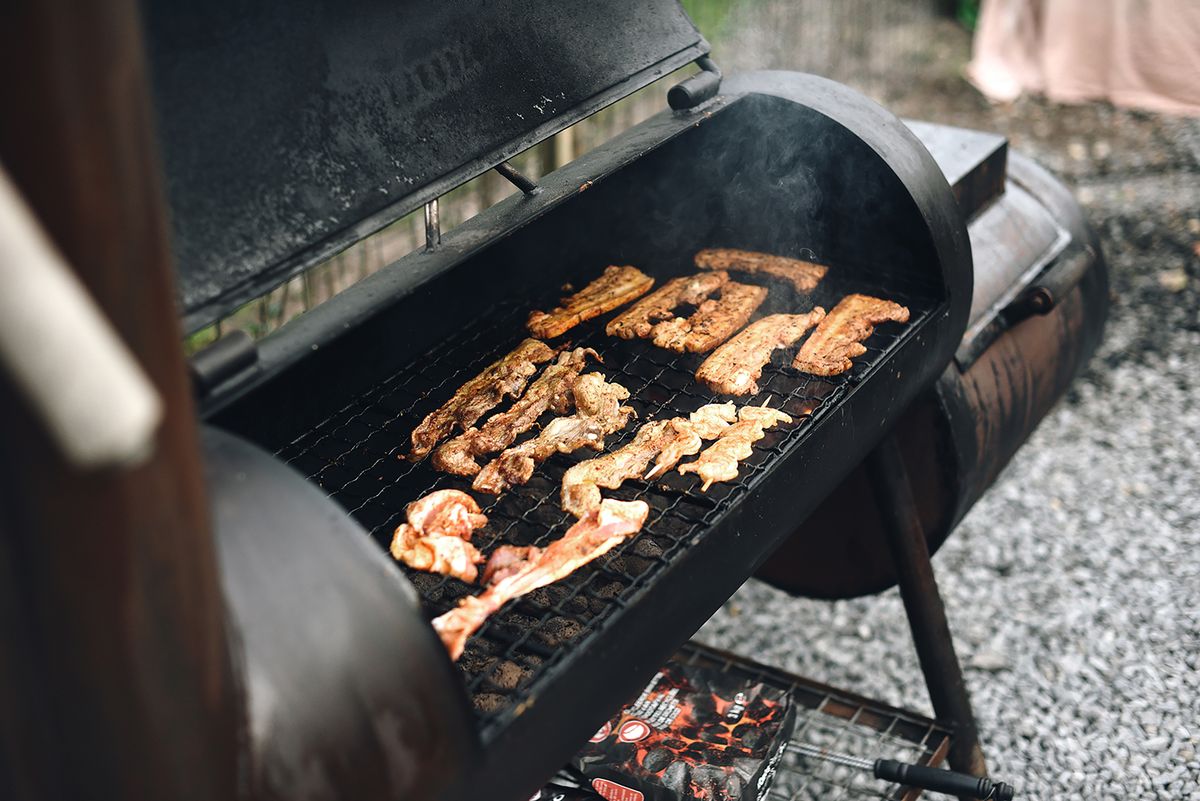
Hold your smoker steady around 225 to 250F. That low, gentle range gives the fat and connective tissue in tough cuts the time they need to break down without drying the meat. Use hardwoods for smoke, since they burn clean and flavor the meat well. Oak is the reliable all-rounder, hickory brings a classic, bolder barbecue note, and fruit woods like apple and cherry are milder and slightly sweet. Skip softwoods like pine entirely, because their resins turn the meat bitter and unpleasant. The most common beginner mistake is chasing thick clouds of smoke. You want thin blue smoke, the wispy kind you can almost see through. Thick white smoke coats the meat in soot and leaves an acrid, ashtray flavor.
What to smoke
The tough, fatty, hardworking cuts are the ones that shine in a smoker. Brisket, pork shoulder, and ribs are the classic trio, and it is no accident. Their fat and collagen need the long, low cook to melt into tenderness, and their generous surface takes smoke beautifully. Leaner cuts like a loin or a chicken breast can be smoked, but they finish fast and have less to gain, so they are better for a light kiss of smoke than a marathon session. If you are new, start with a pork shoulder. It is inexpensive, forgiving, and hard to ruin, which makes it the perfect first smoke.
The stall and the wrap
Somewhere around 150 to 165F internal, the meat’s temperature seems to stop climbing and can hold there for an hour or more. This is the stall, and it is completely normal. It happens because moisture is evaporating off the surface and cooling the meat, like sweat, even as the smoker keeps pushing heat in. You have two choices. You can wait it out, which gives you the best bark, or you can wrap the meat tightly in butcher paper or foil, often called the Texas crutch, to push through the stall faster and keep things moving. Butcher paper lets the bark breathe while still speeding things along, which is why many pitmasters prefer it to foil.
Bark, temperature, and resting
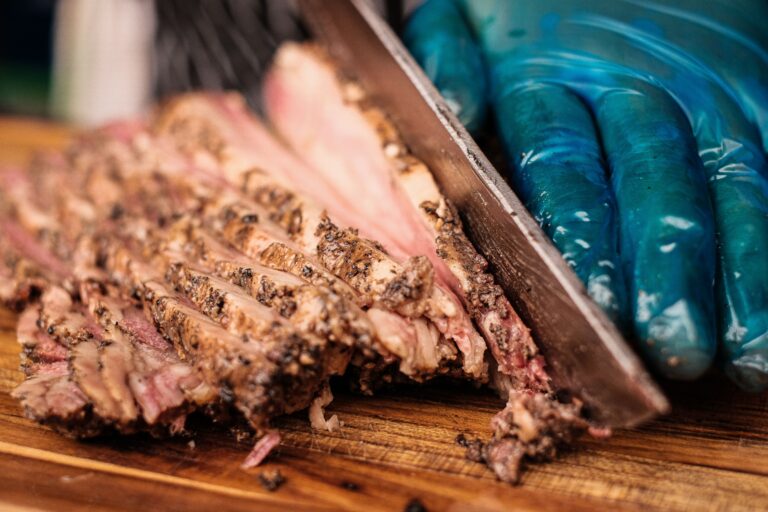
The dark, seasoned crust that forms on smoked meat is called bark, and it is one of the best parts. It builds from the rub, the smoke, and the slow drying of the surface, so resist the urge to wrap too early if bark is your goal. Cook to tenderness, not just to a number. A brisket or pork shoulder is ready when a probe slides in with almost no resistance, usually around 200 to 205F, well past the point where the collagen has melted. Then rest it, and rest it longer than you think, at least 30 minutes and up to a couple of hours held wrapped in a cooler. Resting lets the juices redistribute so they stay in the meat when you slice, instead of running out onto the board.
Gear and setup
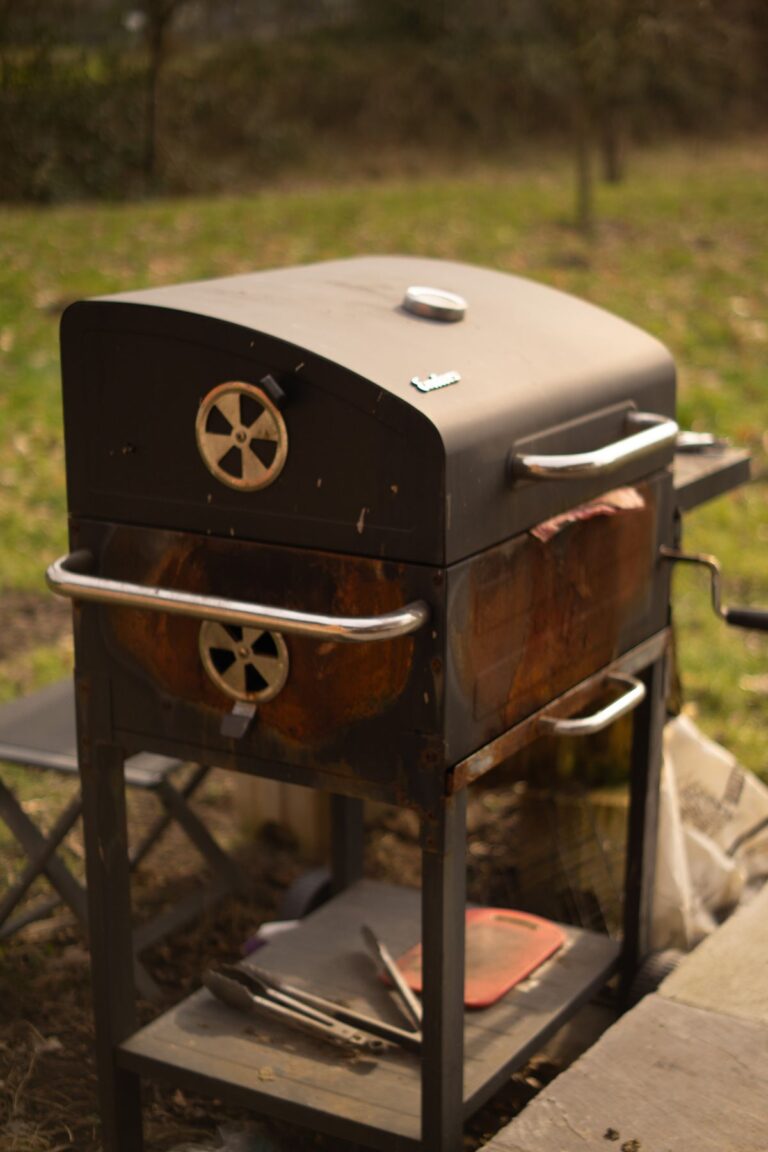
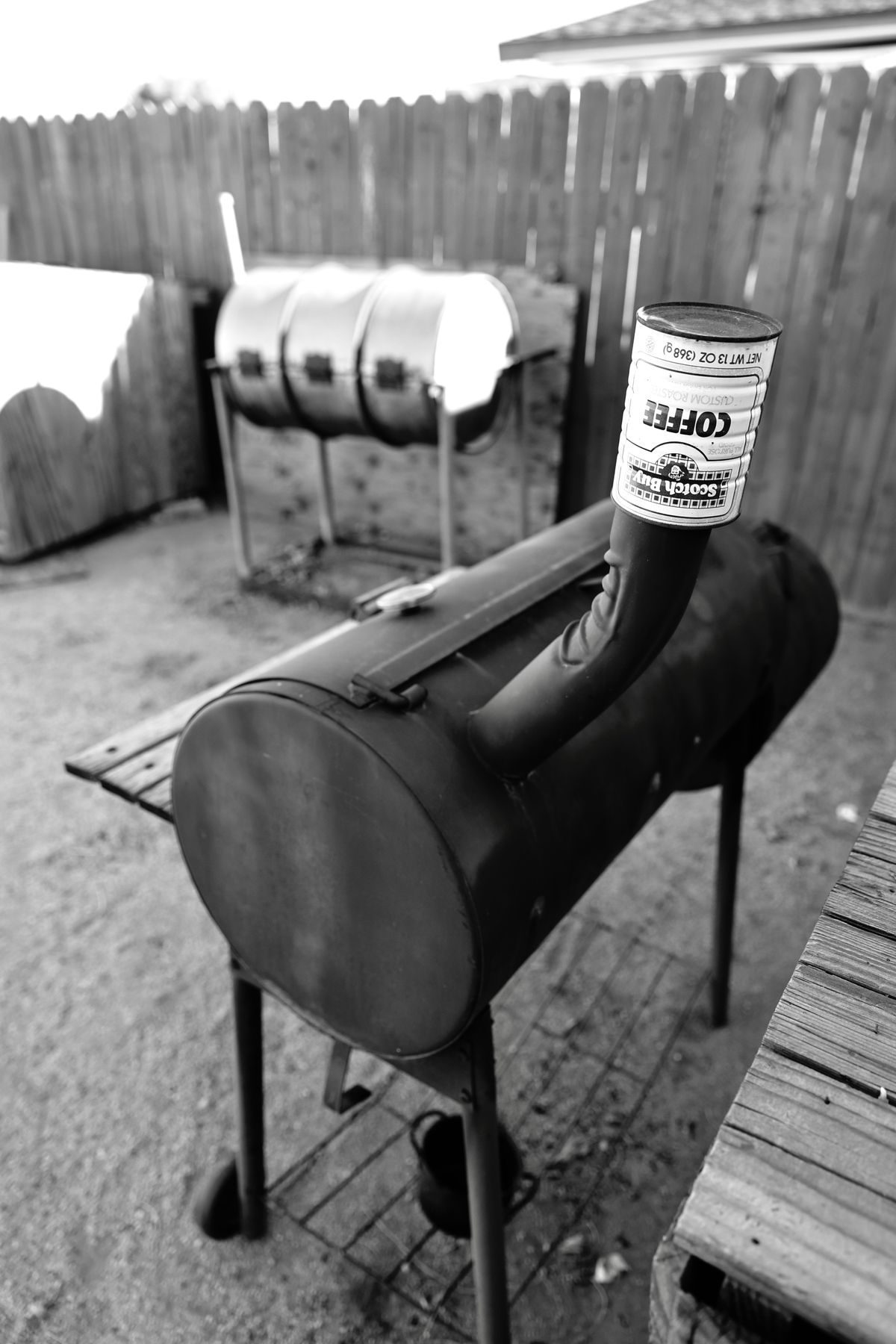
You do not need an expensive rig to start. A basic offset smoker, a kettle grill set up for indirect heat, or an inexpensive bullet smoker will all make excellent barbecue. What you do need is a good thermometer, ideally two: one for the smoker chamber and one for the meat, since the meat’s internal temperature is what actually matters. We keep a fast instant-read like a Thermapen on hand for spot checks and a leave-in probe for tracking the long cook. Manage your fire for steady heat rather than constant fiddling, keep a water pan in the chamber to buffer the temperature and add humidity, and resist opening the lid, since every peek lets heat escape and adds time.
Common mistakes to avoid
Most smoking problems trace back to a handful of habits. Chasing thick white smoke is the big one, so build a clean fire and aim for thin blue smoke. Cooking to time instead of tenderness is another, since every brisket is different and only a probe tells the truth. Opening the lid constantly stretches a six-hour cook into an eight-hour one. Skimping on the rest undoes hours of careful work in the last ten minutes. And rushing the heat, cranking the smoker to move things along, seizes the muscle before the collagen can melt and leaves the meat tough. Slow down, trust the process, and let the smoker do its job.
FAQ
What temperature should I smoke meat at?
Hold the smoker around 225 to 250F. That low range renders fat and collagen without drying the meat.
What is the best wood for smoking?
Oak is a great all-rounder, hickory is bolder, and fruit woods are mild and sweet. Avoid softwoods like pine, which turn bitter.
What is the stall?
Around 150 to 165F the meat’s temperature plateaus as surface moisture evaporates and cools it. Wait it out or wrap to push through.
Should I wrap my meat?
Wrapping in butcher paper or foil speeds past the stall and keeps the meat moist. Butcher paper protects the bark better than foil.
What is the best cut for a first smoke?
Pork shoulder. It is cheap, forgiving, and hard to overcook, which makes it ideal for learning.
Keep learning
Ready to put this into practice? Try our pulled pork or a smoked hanger steak. Learn the cuts in our guides to the Boston butt and the wider world of beef. For the difference between smoking and grilling, read our backyard barbecue basics, and to source great meat to smoke, use our Find a Farmer directory.