Decoding Wagyu Beef: Unraveling the Luxury Delicacy
Decoding Wagyu Beef: Unraveling the Luxury Delicacy
Wagyu beef, also known as the “Kobe beef of Japan”, has been gaining popularity in recent years as a highly sought after luxury delicacy. Its tender, melt-in-your-mouth texture and rich, marbled flavor have captured the attention of meat lovers and food enthusiasts alike. But what exactly is Wagyu beef and what makes it so special? In this blog post, we will get into the world of Wagyu beef and uncover the secrets behind its exquisite taste and texture.
What is Wagyu Beef?
Wagyu, which literally translates to “Japanese cow”, refers to a specific breed of cattle originating from Japan. The most well-known and highly regarded breed is the Japanese Black Wagyu, also known as Kuroge Washu. These cattle are raised in strict and controlled environments, with a diet consisting of high quality grains, grass, and even beer. This results in meat with a high fat content, known as marbling, which gives Wagyu beef its signature tenderness and flavor.
The grading system for Wagyu beef is also unique, with the highest quality being A5. This represents the highest level of marbling and quality, making it the most expensive and sought after Wagyu beef.
Decoding the Marbling
The marbling in Wagyu beef is a result of the genetics and diet of the cattle. These cattle are genetically predisposed to have a higher fat content, producing a tender and flavorful meat. Diet also plays a crucial role in the marbling of Wagyu beef. The combination of grains, grass, and even beer, results in a rich and buttery flavor, making it a truly luxurious delicacy.
Health Benefits of Wagyu Beef
Contrary to popular belief, Wagyu beef is not just a guilty pleasure. In fact, it has several health benefits that make it a great addition to any diet. The high levels of unsaturated fats, or “good fats”, in Wagyu beef have been linked to lower cholesterol levels and a decreased risk of heart disease. Additionally, Wagyu beef is also an excellent source of essential fatty acids, vitamins, and minerals.
Cooking Wagyu Beef
Due to its high marbling and fat content, Wagyu beef needs to be cooked differently than other types of beef. It is recommended to cook Wagyu beef on low heat to allow the fat to melt and evenly distribute throughout the meat. This results in a tender and flavorful steak that melts in your mouth.
Popular Cuts of Wagyu Beef
Wagyu beef is known for its tenderness and flavor, regardless of the cut. However, there are a few cuts that are particularly popular and prized for their flavor and tenderness.
1. Ribeye: The ribeye is a highly marbled cut of beef, making it a top choice for Wagyu beef. Its intense marbling and rich flavor make it one of the most luxurious and sought after cuts of Wagyu beef.
2. Filet Mignon: Known for its tenderness, the filet mignon is a popular cut of Wagyu beef. Its mild flavor and velvety texture make it a favorite among beef lovers.
3. Sirloin: The sirloin is a leaner cut of Wagyu beef, making it a healthier option. It is still known for its tenderness and flavor, making it a great choice for those looking for a lighter Wagyu beef option.
How to Enjoy Wagyu Beef
Wagyu beef is a luxury delicacy that can be enjoyed in various ways. Whether it’s a Wagyu beef steak, burger, or even hot pot, there are countless ways to savor the unique flavor and tenderness of Wagyu beef. It is also a great choice for special occasions or as a gourmet treat.
Wagyu beef is more than just a highly prized luxury delicacy. Its unique genetics, diet, and cooking methods all play a crucial role in creating this flavorful and tender meat. So next time you have the opportunity to try Wagyu beef, savor it and appreciate the craftsmanship and dedication that goes into producing this one-of-a-kind culinary experience.
What the grades actually mean
Wagyu is graded, and the labels are worth understanding before you spend. The Japanese system combines a yield grade with a quality score, and the part buyers care about is the letter and number, like A5, where A is the top yield grade and 5 is the top quality score. Quality itself leans heavily on marbling, rated on the Beef Marbling Standard, or BMS, which runs from about 3 up to 12. An A5 steak with a BMS of 10 or higher is the snowflake-marbled, melt-in-the-mouth beef Wagyu is famous for. American Wagyu, usually a cross of Japanese Wagyu with Angus, is graded on the USDA scale and typically lands above Prime, richer than ordinary steak but less extreme than Japanese A5. Knowing the grade tells you roughly how rich the beef will be and helps you match it to how you plan to serve it.
Why it costs so much
Wagyu is expensive for reasons that go beyond hype. The cattle are raised slowly, often for two to three years against the roughly 18 months of conventional beef, on carefully managed diets that build that dense intramuscular fat. Purebred Japanese Wagyu is tightly regulated, with pedigree tracking and strict standards, and genuine Japanese A5 is imported in limited quantity, which pushes the price higher still. You are paying for time, genetics, and scarcity, not just a name. That is also why Wagyu is best treated as a small luxury rather than an everyday steak.
How to cook Wagyu at home
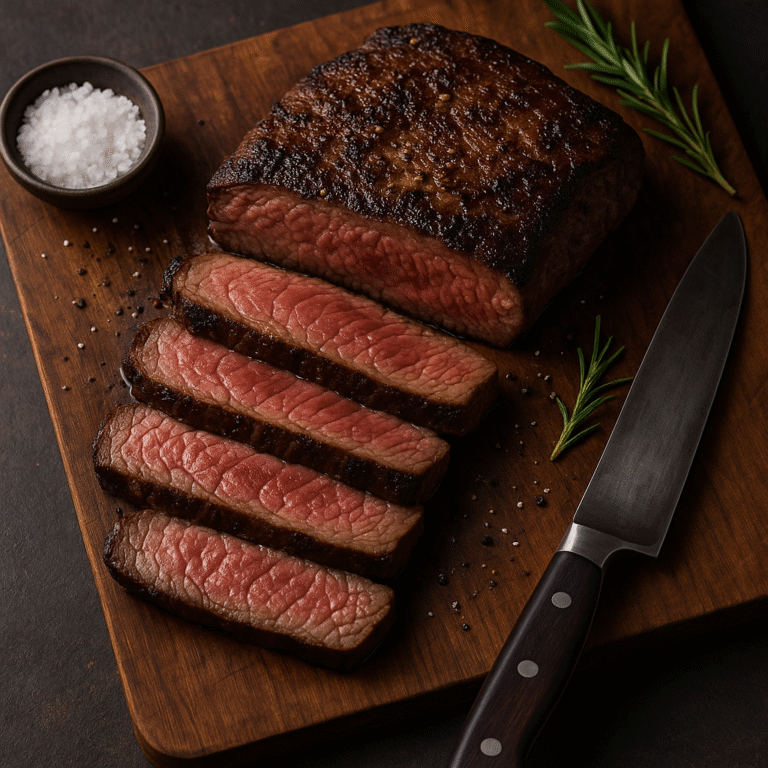
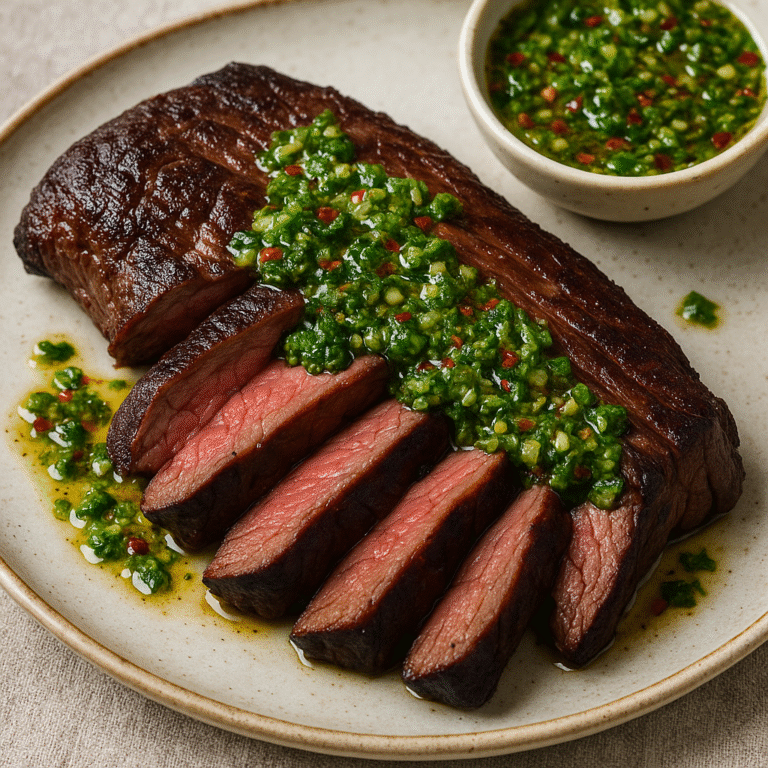
The single biggest mistake with Wagyu is cooking it like a regular steak. That intense marbling means you want less heat, less time, and smaller portions. Bring the beef to room temperature, salt it simply, and sear it hot and fast in a dry cast iron pan, since the fat renders and needs no added oil. Cook it to a rosy medium-rare and no further, as the fat is the whole point and overcooking renders it away. Slice highly marbled Japanese A5 thin and serve just a few ounces per person, because it is so rich that a little goes a long way. Let it rest briefly, add a flake of salt, and taste before you reach for any sauce.