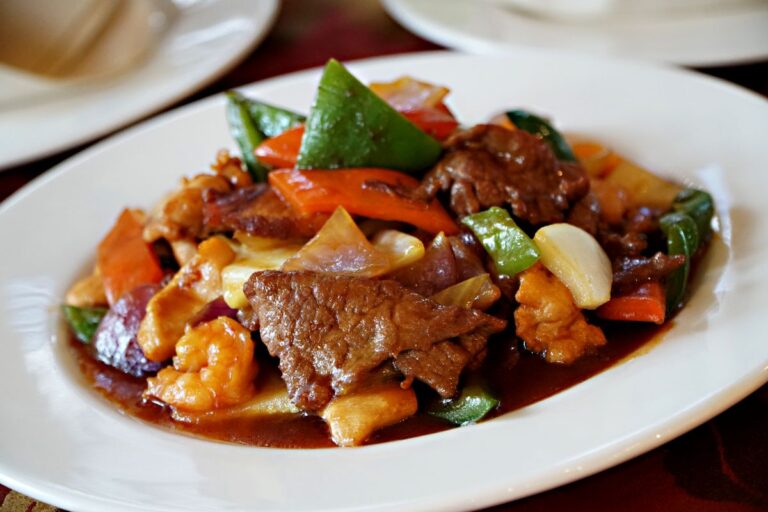
Smoked Hanger Steak
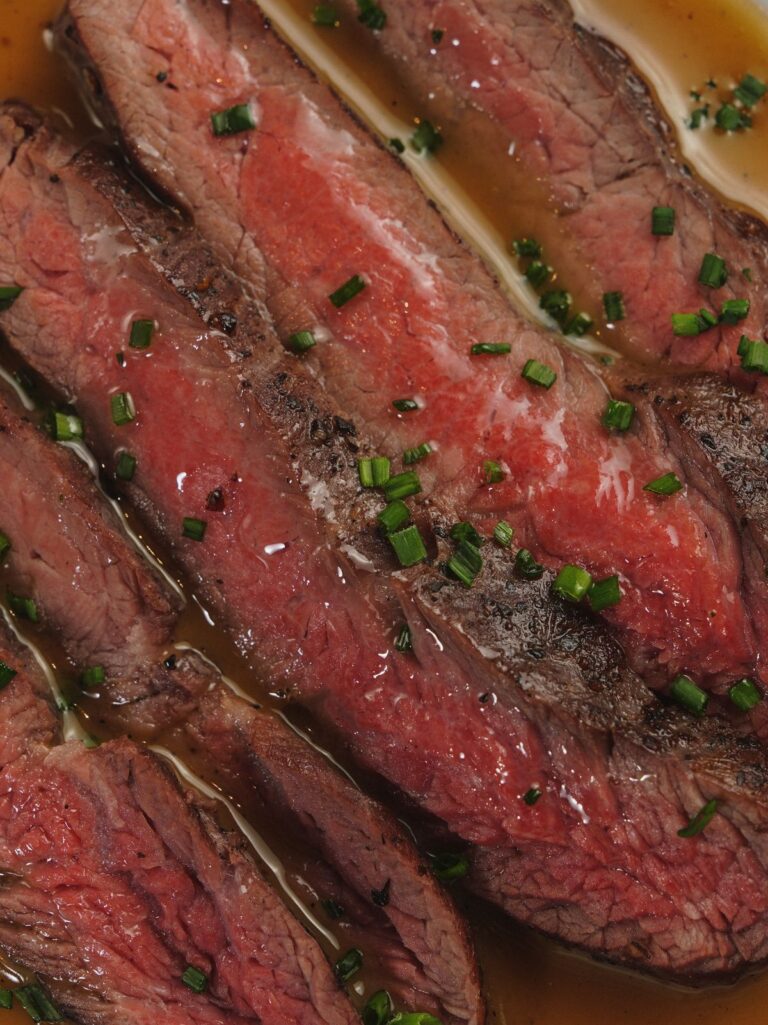
Smoke and hanger steak are a great match, but hanger cooks fast, so you cannot treat it like a brisket. We use a reverse sear: a gentle spell in the smoke to build flavor and color, then a hard, fast sear to finish. The low smoke gets wood flavor deep into the meat without cooking past medium-rare, and the sear brings the crust. Done right, you get a steak with a whisper of the pit and a juicy, rosy center. Start with grass-fed hanger and a couple of chunks of oak or hickory, which stand up to beef’s bold flavor.
Why this recipe works
- Smoking at a low temperature first lets wood flavor soak in before the meat is anywhere near done.
- The reverse sear keeps the interior evenly rosy, since the meat warms slowly instead of shocking from the outside in.
- Pulling at 115F in the smoke leaves room for the sear to bring it to a perfect 130F without overshooting.
- Resting before slicing lets the juices settle so they stay in the meat and not on the board.
Ingredients
- 1.5 lb (680 g) hanger steak, trimmed
- 1 tablespoon kosher salt
- 1 tablespoon coarse black pepper
- 1 teaspoon garlic powder
- Wood chunks (oak or hickory)
Substitutions: fruit woods like apple or cherry give a lighter, sweeter smoke if hickory feels too strong. Flank or flat iron can take the same treatment.
How to make it
- Season and rest. Season the steak all over with salt, pepper, and garlic powder, then let it rest 30 minutes so the surface dries and the salt sinks in.
- Set up the smoke. Bring your smoker or grill to 225F with the wood chunks going. You want thin blue smoke, not thick white smoke, which turns the meat bitter.
- Smoke low. Smoke the hanger until the internal temperature reaches 115F, about 40 to 45 minutes. Use a thermometer, since a thin steak climbs faster than you expect.
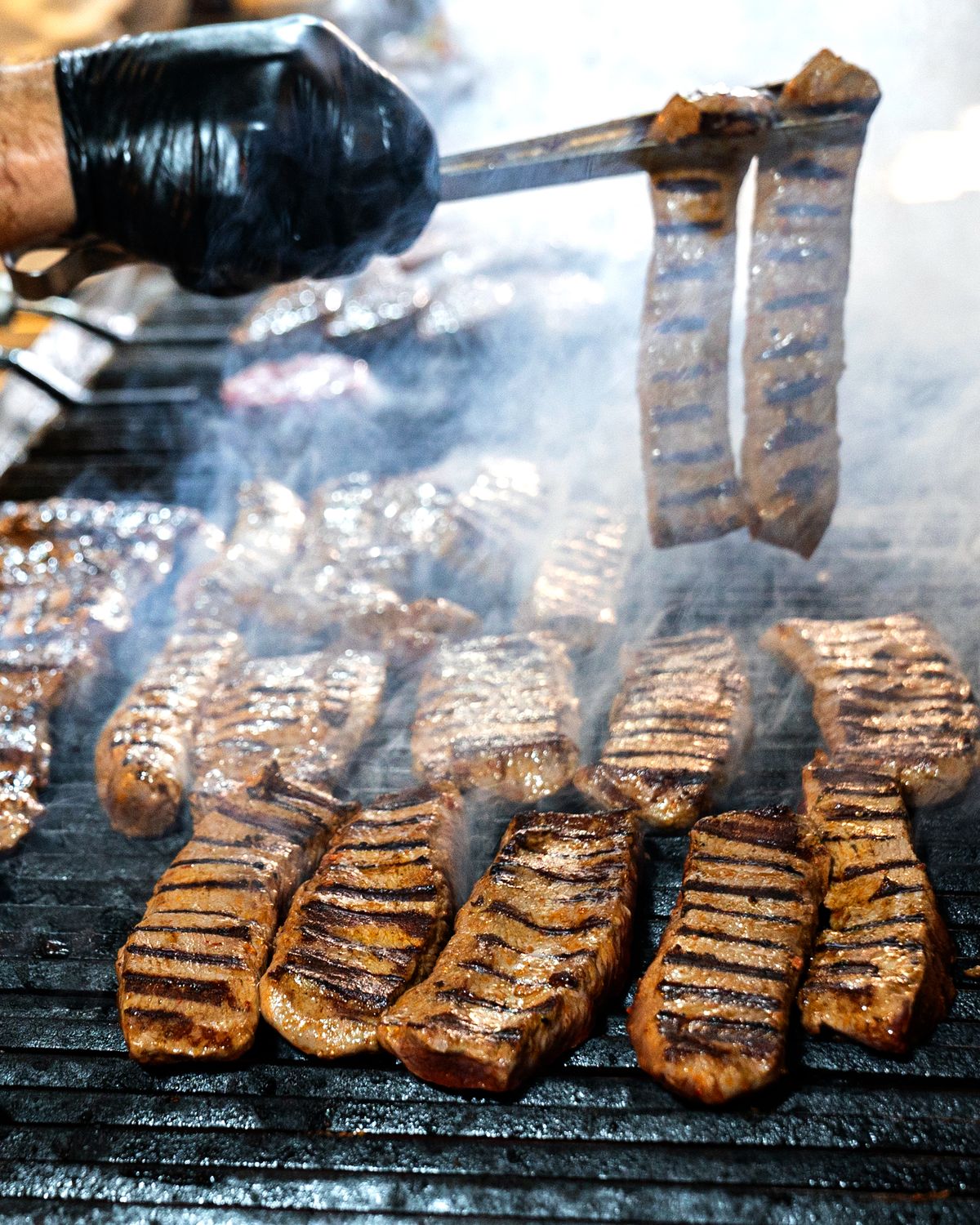
- Sear hot. Move the steak to a screaming-hot grill grate or cast iron pan and sear 1 to 2 minutes a side, until a dark crust forms and the center hits 130F.
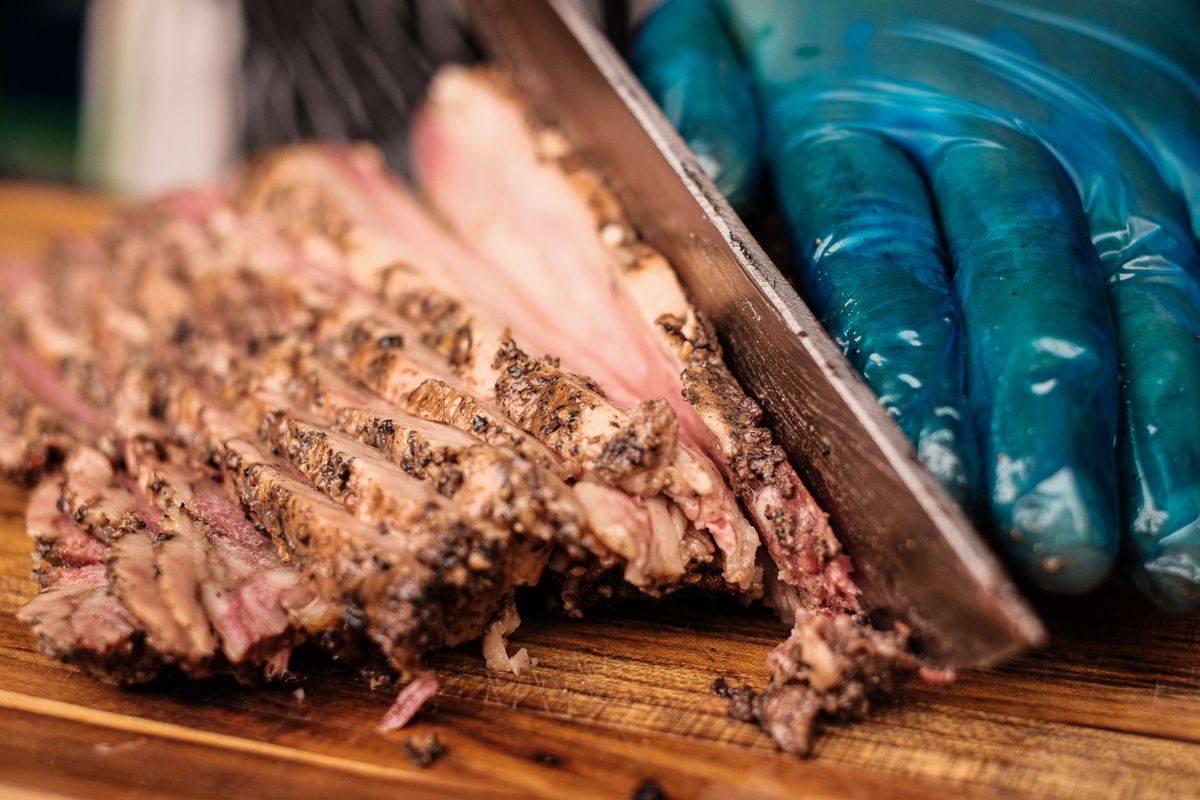
- Rest and slice. Rest the steak 8 minutes, then slice thin against the grain so every piece is tender.
Pro tips and common mistakes
- Chase thin blue smoke. Billowing white smoke coats the meat in soot and leaves an acrid taste.
- Watch the thermometer, not the clock. Hanger is lean and thin, so it moves through the temperatures quickly.
- We handle the steak with metal tongs and a metal spatula, never plastic, near the fire.
- Do not skip the sear. Smoke alone leaves the surface soft and pale, and the crust is half the pleasure.
- Let the grill get truly hot before the sear. A lukewarm grate steams the meat instead of browning it.
Storage and leftovers
Smoked hanger keeps for up to 3 days in the fridge. The smoke flavor actually deepens overnight, which makes leftovers excellent. Reheat slices gently so you do not push the meat past medium, or eat them cold, sliced thin over a salad or piled into a sandwich with horseradish. The trimmings are perfect for a smoky steak hash the next morning.
What to serve with it
- Grilled corn or charred vegetables to match the smoke.
- A crisp, vinegary slaw to cut the richness.
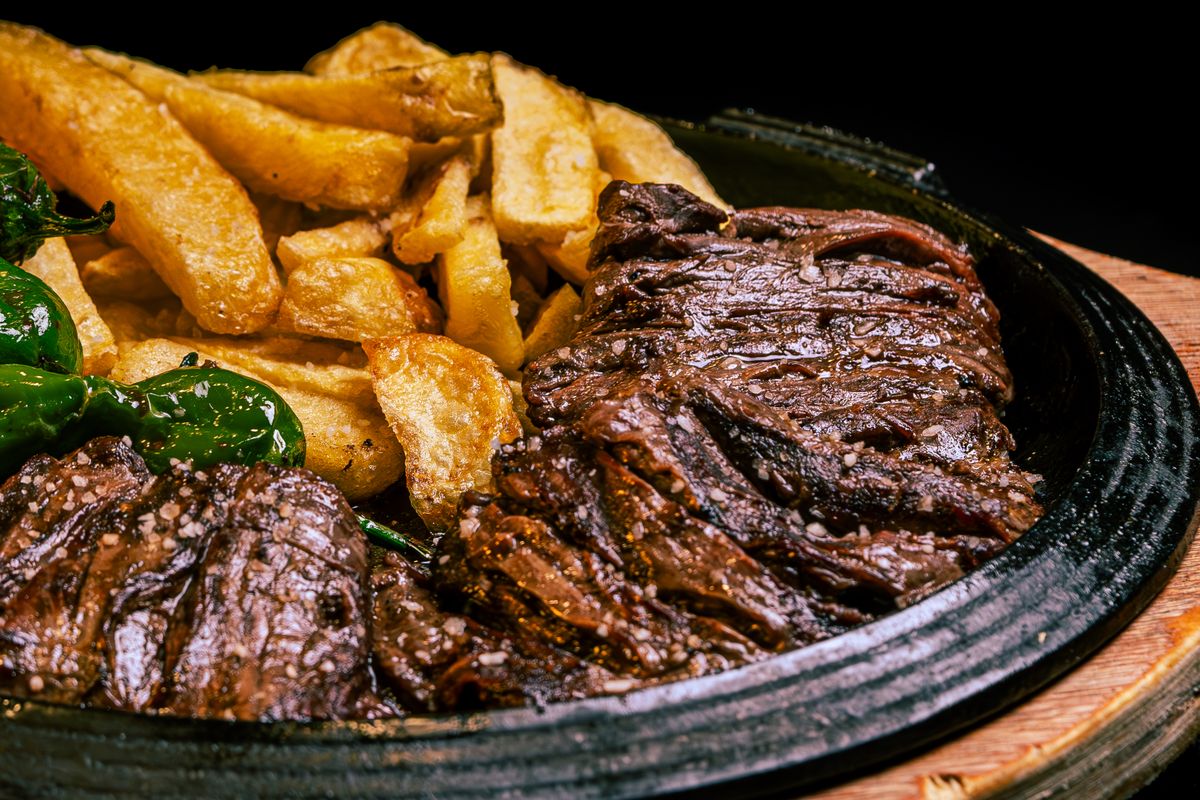
- Baked potatoes or potato salad for a cookout plate.
- A bold red wine or a dark beer.
Choosing wood for beef
The wood you burn shapes the whole dish, so it is worth a thought. Oak is the steady all-rounder, clean and medium in strength, and it never fights the beef. Hickory hits harder and leaves a classic barbecue flavor, though a little goes a long way on a thin cut like hanger. Mesquite is the boldest of the bunch and can turn harsh fast, so we use it sparingly if at all. Fruit woods such as apple and cherry are gentle and slightly sweet, a good choice if you want the smoke to sit in the background. Whatever you pick, use dry, seasoned wood, since green or damp wood smolders and throws the bitter white smoke you want to avoid. Two fist-size chunks are plenty for a steak this size.
Nutrition
About 300 calories, 32g protein, 18g fat, and 1g carbs per serving. These are estimates and vary with the exact cut, trim, and any substitutions.
FAQ
What temperature do I smoke hanger steak at?
Smoke it low at 225F until it reaches 115F inside, then sear it hot to finish at 130F for medium-rare.
Which wood is best for beef?
Oak and hickory suit beef’s bold flavor. Use fruit woods like apple or cherry for a lighter, sweeter smoke.
Why reverse sear instead of searing first?
Smoking first builds flavor and an even interior, and the final sear crusts the outside without overcooking the center.
How long does it take?
About 40 to 45 minutes in the smoke plus a couple of minutes to sear, though thickness and your pit will shift the timing.
Can I do this on a gas grill?
Yes. Use a smoker box or a foil packet of wood chips over one burner, keep the heat low, and sear over the hot side.
Where to buy the beef
Hanger is a single muscle per animal, so ask your butcher to set one aside. We look for grass-fed beef from small farms. Use our Find a Farmer directory to source hanger steak near you.
Learn more in our guide to hanger steak and our full guide to beef. For more hanger, try our crispy skillet hanger steak or sous vide hanger steak. New to the smoker? Read our guide to smoking meat at home.
What makes hanger steak special
Butchers used to keep this one for themselves, which is why it earned the nickname the butcher’s steak. There is only one hanger per animal, tucked up against the diaphragm, and it does little work, so it stays tender and takes on a deep, almost mineral beefiness. That loose, open grain is a gift and a warning. It drinks up smoke and marinade like few other cuts, but it also turns chewy fast if you cook it past medium or slice it with the grain instead of across it. Treat it like a prime cut that happens to cost less, give it a good trim to remove the center sinew, and it rewards you every time. Once you have cooked one well, you understand why the people cutting the meat kept it off the case.