Backyard BBQ Basics: How to Cook Meat Low and Slow
Barbecue and grilling are not the same thing, and knowing the difference is the first step to running a good backyard cook. Grilling is fast and hot, straight over the flame, the method for steaks, burgers, and chops that cook in minutes. Barbecue is low and slow, gentle heat over hours that turns a tough brisket or a rack of ribs meltingly tender. Most people mix the two up and then wonder why their ribs came out chewy or their steak came out gray. Get clear on which one you are doing, set the fire up to match, and everything gets easier. Here is how we run a backyard cook, from managing heat to knowing when it is done.
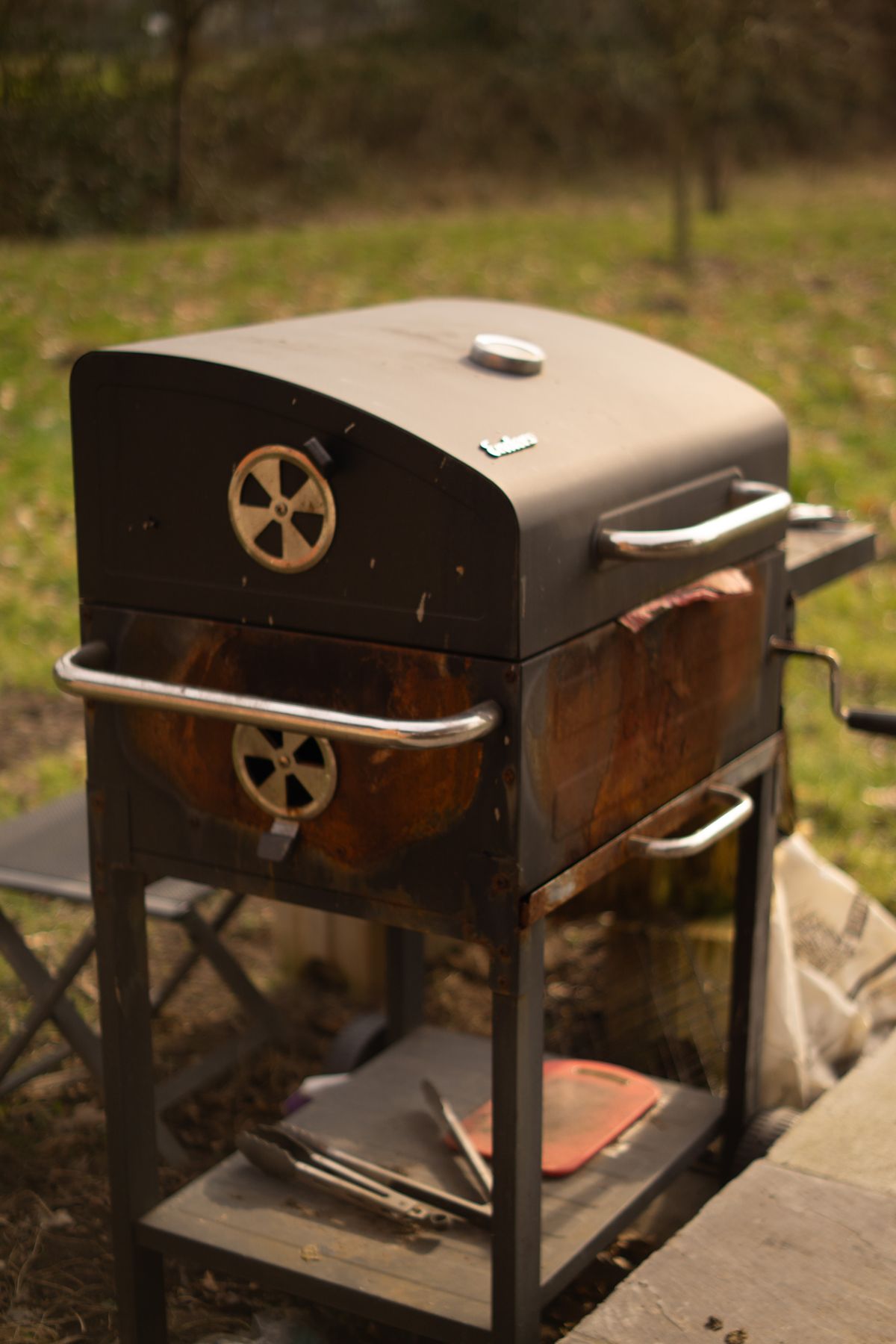
Direct versus indirect heat
The single most useful skill in backyard cooking is controlling where the heat is. Direct heat means the food sits right over the flame or coals, which is what you want for searing and for anything that cooks quickly. Indirect heat means the food sits beside the fire, not over it, cooking in the ambient heat of a covered grill more like an oven. That is what you want for larger or tougher cuts that need time. The way to have both is a two-zone fire: bank your coals to one side, or light only half your gas burners, so you have a hot zone for searing and a cooler zone for gentle cooking. With a two-zone setup you can sear a steak over the flame and finish a thick roast off to the side, all on one grill.
Grilling hot and fast
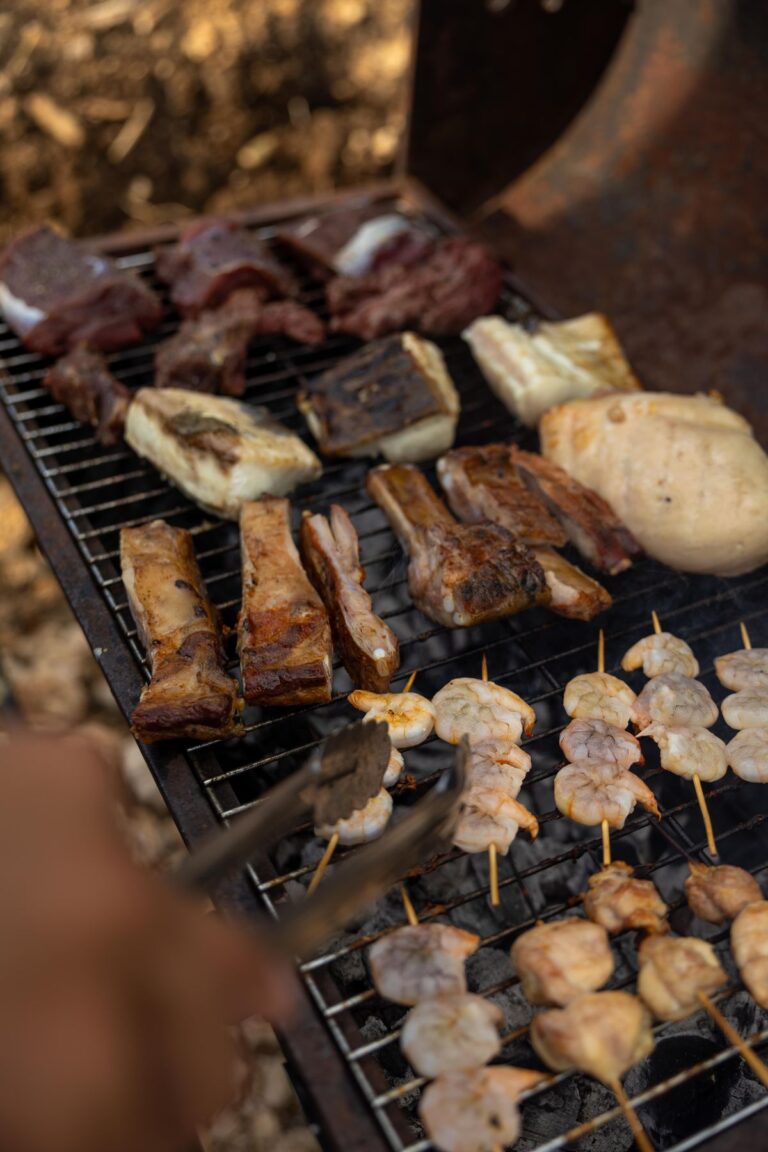
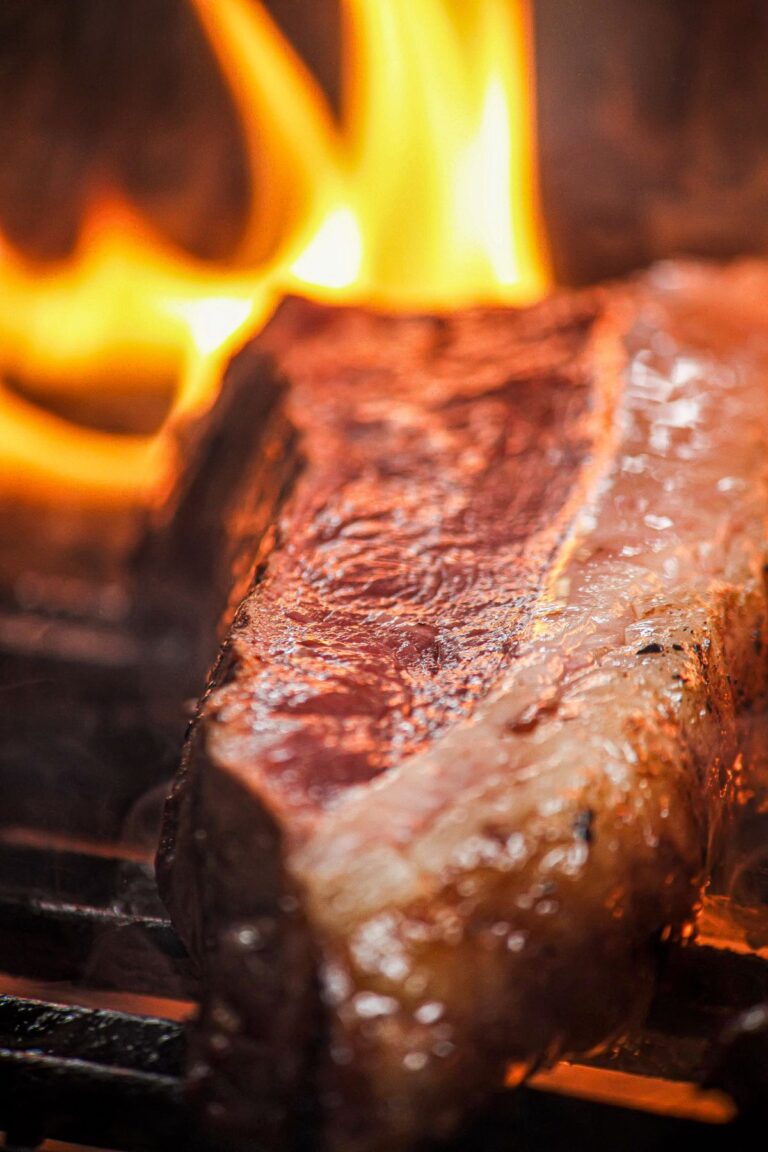
For steaks, chops, burgers, sausages, and chicken pieces, you want high, direct heat and a clean, oiled grate. Get the grill properly hot before the food goes on, so it sears rather than sticks, and let each piece sit undisturbed long enough to build grill marks and a crust before you move it. Keep the lid off for thin, fast cooks so you can watch for flare-ups, which happen when dripping fat hits the flame. If one starts, move the food to the cooler zone until it dies down. Use a thermometer rather than guessing, pull the food a few degrees early to account for carryover, and rest it before serving.
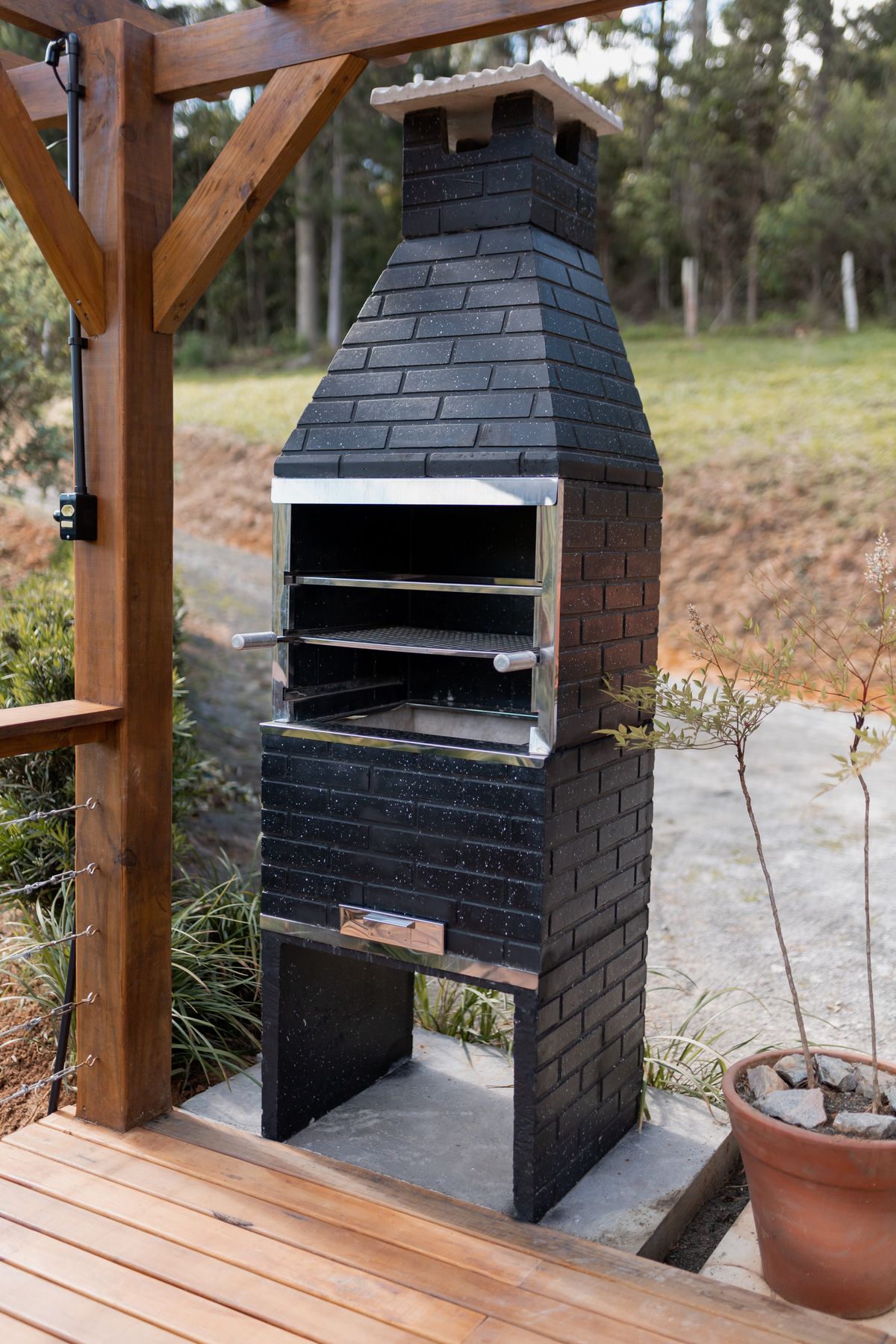
Barbecue, low and slow
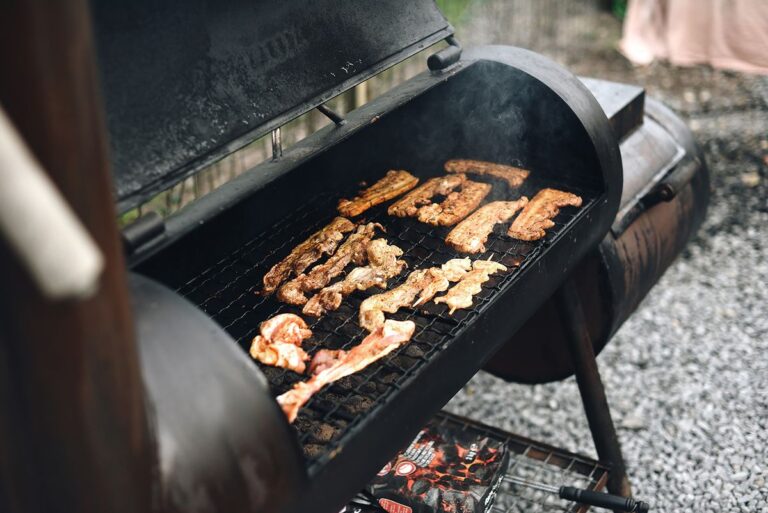
Real barbecue is a different pace. Set your grill or smoker up for indirect heat at a low temperature, around 225 to 275F, and give tough, collagen-rich cuts like brisket, pork shoulder, and ribs the hours they need. This is where the two-zone fire and a lid earn their keep, holding a steady low heat while the connective tissue slowly melts into gelatin. Add a chunk or two of hardwood for smoke if you like, keep the lid closed to hold the temperature, and cook to tenderness rather than the clock. These cuts are done when a probe slides in with no resistance, not at a fixed time, and rushing them with higher heat only makes them tough.
Charcoal versus gas
Both fuels make great food, and the right one is the one you will actually use. Charcoal burns hotter and adds a subtle smoky flavor, and many cooks love the ritual of building a fire, though it takes longer to light and a little practice to control. Gas is fast, clean, and easy to dial in, which makes it the weeknight workhorse, even if it gives up a touch of that live-fire character. Either way, the principles are identical: build a two-zone setup, get the grate clean and hot, and manage your heat with the coals or the burner dials. Do not let the fuel debate stop you from cooking. A good cook makes better barbecue on a cheap grill than a careless one makes on an expensive rig.
The details that make it better
A few habits lift a backyard cook from decent to memorable. Keep the grate clean and oiled so food releases instead of tearing. Preheat fully, since a lukewarm grill steams and sticks. Build a two-zone fire every time, even for quick cooks, so you always have somewhere to move food away from flare-ups. Keep a good instant-read thermometer in your pocket and trust it over the clock. And always rest the meat after it comes off, giving thin cuts a few minutes and big roasts fifteen or more, so the juices settle back in. None of it is complicated, but together these small moves are the difference between food that is merely grilled and food people remember.
FAQ
What is the difference between grilling and barbecue?
Grilling is fast, high, direct heat for cuts that cook in minutes. Barbecue is low, slow, indirect heat over hours for tough cuts like brisket and ribs.
What is a two-zone fire?
A setup with a hot zone and a cooler zone on the same grill, made by banking the coals to one side or lighting only half the burners, so you can sear and cook gently at once.
Charcoal or gas, which is better?
Both make great food. Charcoal burns hotter with a smoky edge, gas is faster and easier to control. The best one is the one you will use.
How do I stop flare-ups?
Flare-ups come from dripping fat hitting the flame. Move the food to the cooler zone until they die down, and keep a two-zone fire ready for exactly this.
How do I know when barbecue is done?
Cook tough cuts to tenderness, not a fixed time. They are ready when a probe slides in with almost no resistance, usually around 200F.
Keep learning
Put it into practice with grilled hanger steak skewers or slow pulled pork. Go deeper on smoke in our guide to smoking meat, and on the fundamentals in our guide to cooking meat by every method. Explore the cuts in our guides to beef and pork, and source great meat to grill through our Find a Farmer directory.
Building and controlling your fire
Good barbecue starts before any food touches the grate, with a fire you can actually control. On charcoal, a chimney starter is the simplest way to light coals evenly without lighter fluid and its off flavors: fill it, light the paper underneath, and wait until the top coals ash over gray before you pour them out and bank them to one side. Control the heat with the vents, since more airflow means a hotter fire and a nearly closed vent brings it down, so make small adjustments and give them time to take effect. On gas, preheat with the lid down and all burners high, then turn some off to create your cool zone and use the dials to hold your target. Keep the lid closed as much as you can while cooking, because every time you lift it you lose heat and add time. Learn to read your fire by holding a hand above the grate: a couple of seconds before it is too hot to hold means a hot grill for searing, while five or six seconds means the gentle heat barbecue wants.