Why Meat Tastes So Good: Umami and the Maillard Reaction
The savory, mouth-filling taste of cooked meat has a name: umami. And the deep brown crust that carries so much of that flavor has a cause: the Maillard reaction. These are the two ideas behind why a seared steak tastes so much better than a boiled one, and understanding them quietly makes you a better cook. You stop treating browning as a nice-to-have and start treating it as the main event. Once you know what is happening on the surface of the meat, every decision, from drying it off to how hot you run the pan, starts to make sense. Here is the science, in plain terms, and how to put it to work.
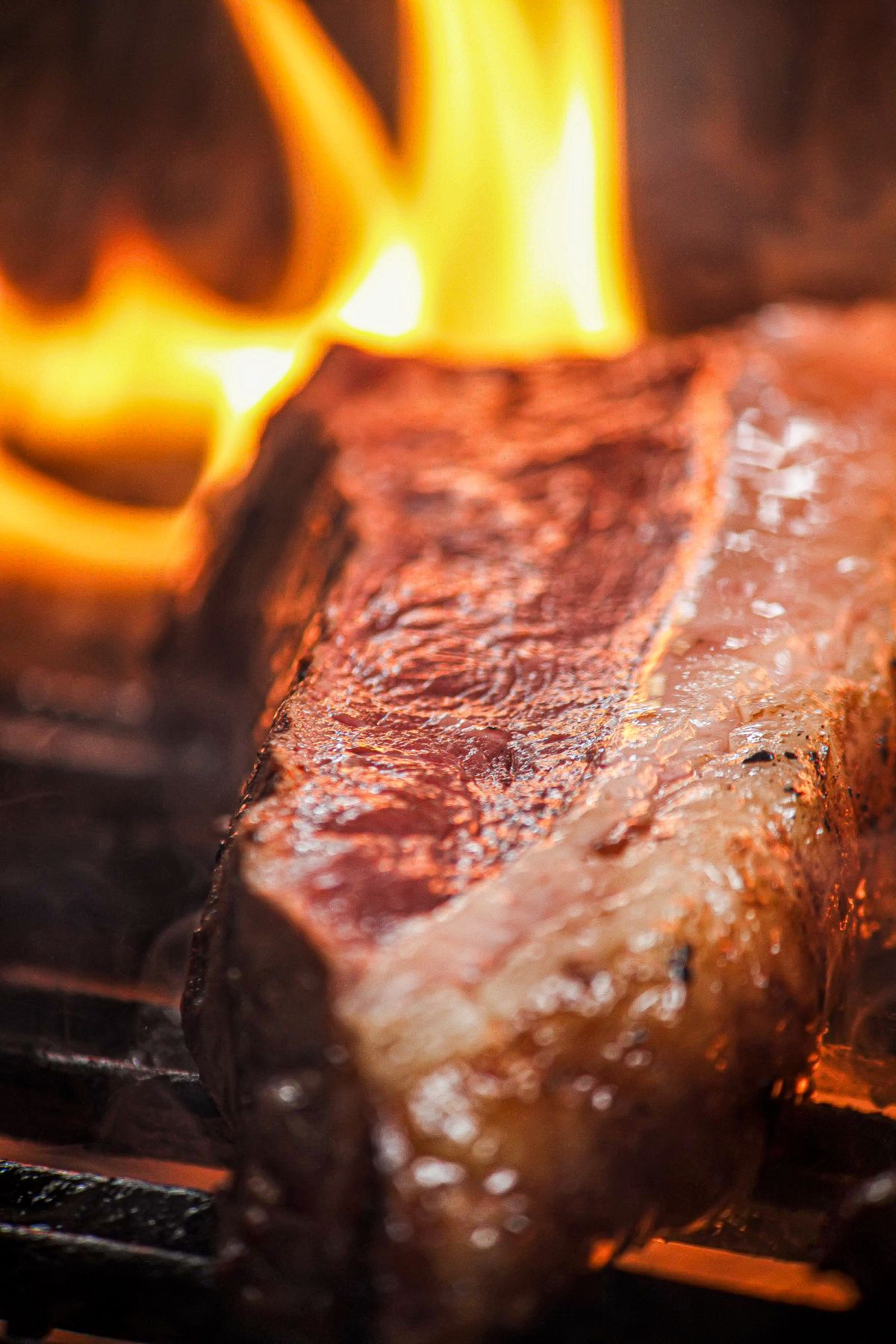
Umami, the savory taste
Umami is the fifth basic taste, sitting alongside sweet, salty, sour, and bitter. It is that deep, savory, satisfying quality you notice in aged cheese, ripe tomatoes, mushrooms, soy sauce, and, of course, meat. Meat is naturally rich in the compounds behind umami, chiefly glutamates and certain nucleotides, and those compounds concentrate as meat cooks, ages, and browns. That is a big part of why a seared steak tastes deeper and rounder than a boiled or gently poached one: cooking drives off water and concentrates the savory compounds, and browning creates entirely new ones. Umami is also why a pinch of something savory, a splash of fish sauce, a spoon of tomato paste, a dusting of parmesan, can make a meat dish taste more like itself.
The Maillard reaction
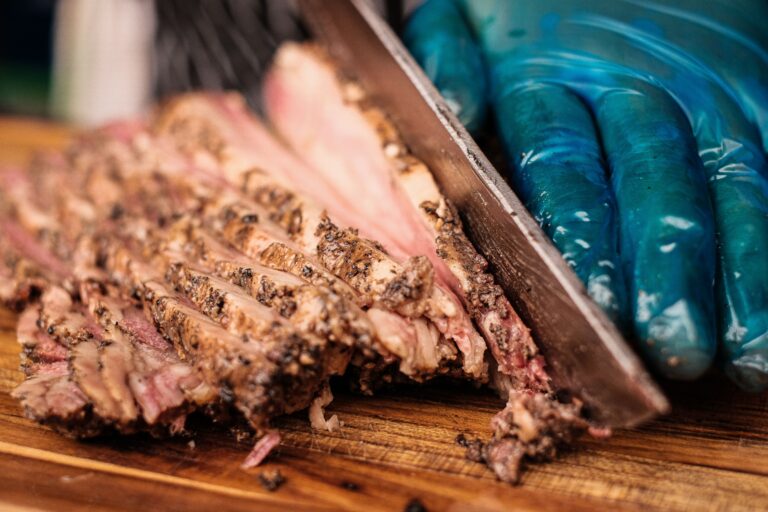
When the surface of meat gets hot and dry, roughly 300F and up, its proteins and sugars begin to react in what is called the Maillard reaction. This is not the same as caramelization, which is sugars alone. The Maillard reaction is amino acids and sugars reacting together, and it creates hundreds of new aroma and flavor compounds that did not exist in the raw meat. That is the browning you see on a seared steak, a roasted chicken skin, or the bark on a brisket, and it is where an enormous share of cooked-meat flavor comes from. The reaction speeds up as the surface gets hotter and drier, which is exactly why the techniques that maximize it all point in the same direction.
How to get more browning
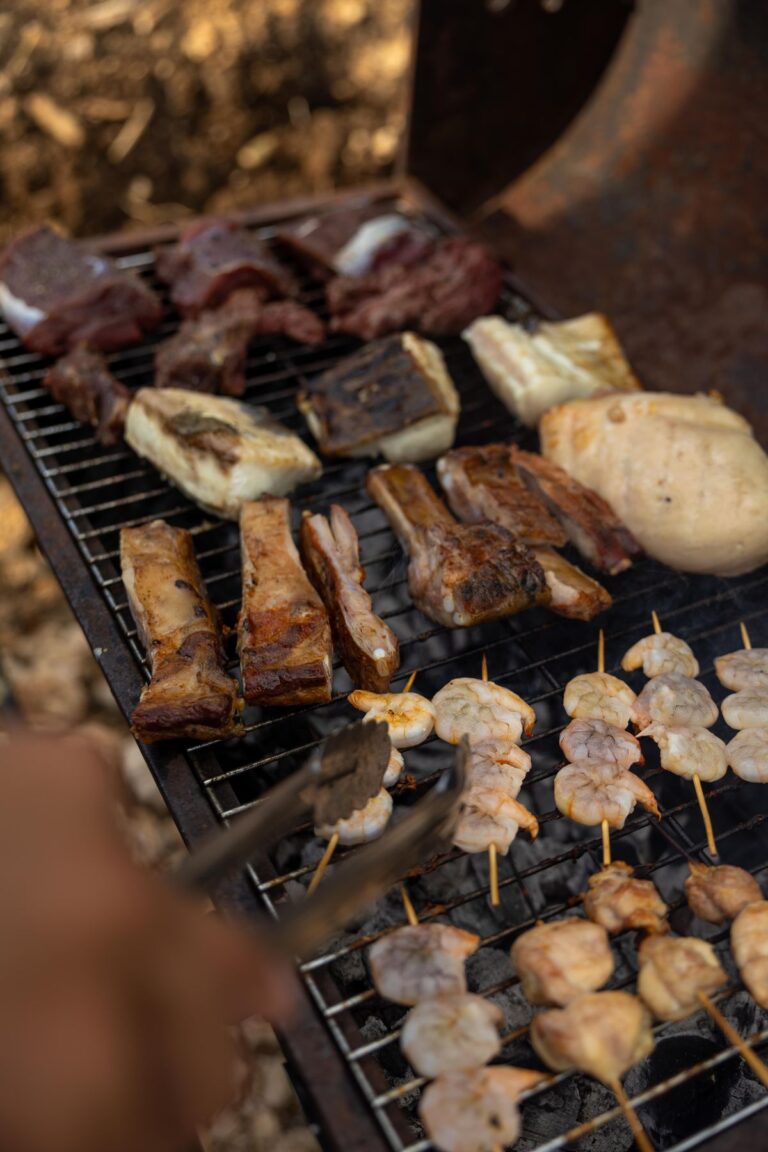
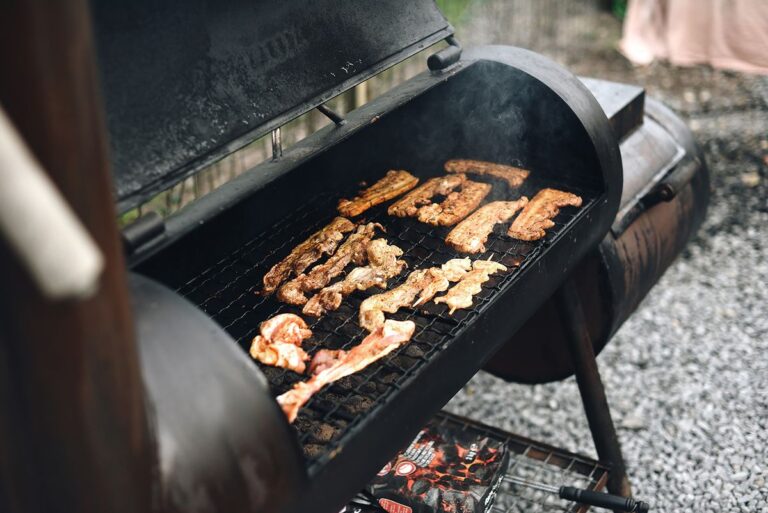
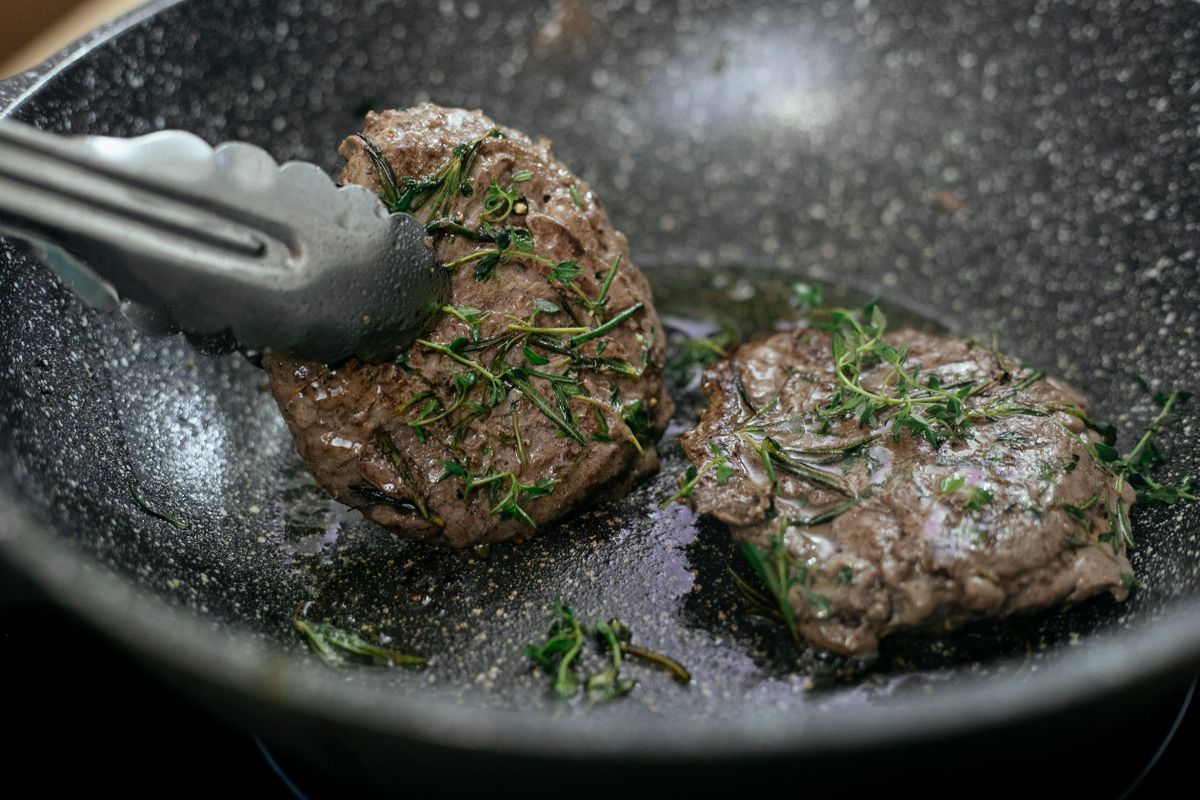
If browning is flavor, then good cooking is largely about encouraging it. Three things matter most. First, dry the surface of the meat, since water has to boil off before the surface can climb past 300F, and a wet surface wastes energy making steam instead of crust. Pat the meat dry, and for even better results, salt it and leave it uncovered in the fridge for a few hours or overnight. Second, get your pan or grill genuinely hot before the meat lands, so the reaction starts immediately. Third, do not crowd the pan. Piling in too much meat drops the temperature and releases moisture that steams everything gray. Cook in batches, give each piece room, and let it sit undisturbed long enough for a crust to form before you move it.
Salt, aging, and time
A few other levers deepen savory flavor. Salt, applied ahead of time, does more than season: it draws moisture to the surface where it can then dry, and it helps the proteins hold onto juice. Dry-aging beef concentrates umami dramatically as enzymes break proteins into flavor-rich compounds and moisture evaporates, which is why a dry-aged steak tastes so intense. Even a simple overnight rest of a salted roast in the fridge is a mild version of the same idea. And slow-cooked, long-braised meats develop their own deep savoriness as proteins break down over hours. Time, in other words, is one of the most powerful flavor tools you have, and most of it is hands-off.
Putting it together
You do not need to memorize the chemistry to cook by it. Just remember that flavor lives on the browned surface, and that browning wants heat, dryness, and space. Dry your meat, season it ahead, preheat your pan hard, and give each piece room to sear. Lean on naturally umami-rich ingredients, mushrooms, tomato, aged cheese, soy, to reinforce the savory notes the meat already has. And respect time, whether that is an overnight salt or a long, slow braise. Do those things and your cooking gets noticeably better, not because you followed a recipe more carefully, but because you are working with the science instead of against it.
FAQ
What is umami?
Umami is the fifth basic taste, a deep savory quality found in meat, aged cheese, tomatoes, mushrooms, and soy sauce. It concentrates as meat cooks and browns.
What is the Maillard reaction?
It is the reaction between amino acids and sugars on the hot, dry surface of meat, roughly at 300F and up, that creates the browned crust and hundreds of new flavor compounds.
Is the Maillard reaction the same as caramelization?
No. Caramelization is sugars alone breaking down, while the Maillard reaction is amino acids and sugars reacting together. Both brown food but by different paths.
How do I get a better sear?
Dry the surface, salt ahead of time, preheat the pan until it is very hot, and do not crowd it. Moisture and low heat are the enemies of browning.
Why does dry-aged beef taste so intense?
Aging concentrates umami as enzymes break proteins into flavor-rich compounds and moisture evaporates, deepening the savory taste.
Keep learning
See these ideas in action with a hard-seared skillet hanger steak or a pan-seared pork chop. For the bigger picture, read our guide to cooking meat by every method and our backyard barbecue basics. Explore the cuts in our guide to beef, and find great meat to sear through our Find a Farmer directory.
Everyday ways to boost savory flavor
You can lean on umami without any special equipment, using ingredients most kitchens already have. A spoonful of tomato paste cooked until it darkens adds deep, savory body to a braise or a pan sauce. A splash of soy sauce, Worcestershire, or fish sauce disappears into the background and makes a dish taste meatier without tasting of the bottle. Dried mushrooms, ground to a powder or steeped into a stock, are one of the most concentrated umami sources going. A rind of parmesan simmered in a sauce, a smear of miso in a marinade, or a handful of caramelized onions all pull in the same direction. The trick is that these ingredients stack: a little tomato plus a little soy plus a good sear compounds into a savoriness far greater than any one of them alone. Keep a few of these on hand, add them with a light touch, and ordinary weeknight cooking starts tasting like it came from a much longer effort.