Grass-Fed vs. Grain-Fed Beef: Which is Healthier?
It’s no secret that beef is a staple in most people’s diet. From hamburgers to steaks, beef is a versatile and delicious protein source that can be prepared in countless ways. However, not all beef is created equal. In recent years, there has been a growing debate over which type of beef is healthier – grass-fed or grain-fed. In this blog post, we will explore the differences between grass-fed and grain-fed beef and determine which one is truly the healthier option.
What is Grass-Fed Beef?
Grass-fed beef, as the name suggests, comes from cows that have been raised solely on a diet of grass and other foraged plants. These cows are often allowed to roam freely on pasture, grazing on a natural diet of grass. This is in contrast to grain-fed cows, which are typically raised in feedlots and fed a diet consisting of corn, soy, and other grains.
Health Benefits of Grass-Fed Beef
Many proponents of grass-fed beef claim that it is the healthier option due to its more natural diet and living conditions. Here are some of the potential health benefits of choosing grass-fed beef:
1. Higher in Omega-3 Fatty Acids: Grass-fed beef is typically higher in omega-3 fatty acids compared to grain-fed beef. Omega-3s are essential fatty acids that have been linked to numerous health benefits, including lower risk of heart disease and improved brain function.
2. Lower in Saturated Fat: While all types of beef contain saturated fat, grass-fed beef tends to have a lower amount compared to grain-fed beef. This is because grass-fed cows have a more natural diet, which results in leaner meat.
3. More Nutrient-Dense: Grass-fed beef is also packed with essential vitamins and minerals, such as iron, zinc, and vitamin B12. These nutrients are crucial for maintaining a healthy body and immune system.
What is Grain-Fed Beef?
Grain-fed beef is produced through a process called feedlot finishing. This involves raising cows in confined feedlots and feeding them a diet consisting of mostly corn and other grains. This method is popular among farmers because it allows for cows to be fattened up more quickly, resulting in a higher yield of meat.
Health Concerns of Grain-Fed Beef
While grain-fed beef may be more affordable and readily available, there are some potential health concerns to consider:
1. Higher in Omega-6 Fatty Acids: Unlike grass-fed beef, grain-fed beef is higher in omega-6 fatty acids, which can have a negative impact on our health when consumed in excess. High levels of omega-6s have been linked to inflammation and an increased risk of certain diseases.
2. Less Nutrient-Dense: Due to the cows’ limited diet of grains, grain-fed beef tends to be less nutrient-dense compared to grass-fed beef. This means that it may not provide the same potential health benefits as grass-fed beef.
So, Which One is Healthier?
After looking at the potential health benefits and concerns of both grass-fed and grain-fed beef, it’s clear that grass-fed beef comes out on top. While both types of beef provide essential nutrients and protein, grass-fed beef is more natural and nutrient-dense. In addition, the higher levels of omega-3s and lower levels of omega-6s in grass-fed beef make it a healthier option overall.
However, it’s important to note that not all grass-fed beef is created equal. When shopping for grass-fed beef, look for labels that say “100% grass-fed” or “grass-finished” to ensure that the cows were raised on a diet of only grass and foraged plants. Some labels may simply say “grass-fed,” but this does not necessarily mean that the cows were entirely grass-fed.
grass-fed beef is the healthier option for choosing between grass-fed and grain-fed. It may come at a slightly higher cost, but the potential health benefits make it worth the investment. So, next time you’re in the meat aisle, opt for the grass-fed beef and treat your body to a more natural and nutrient-dense protein source.
Flavor and texture, side by side
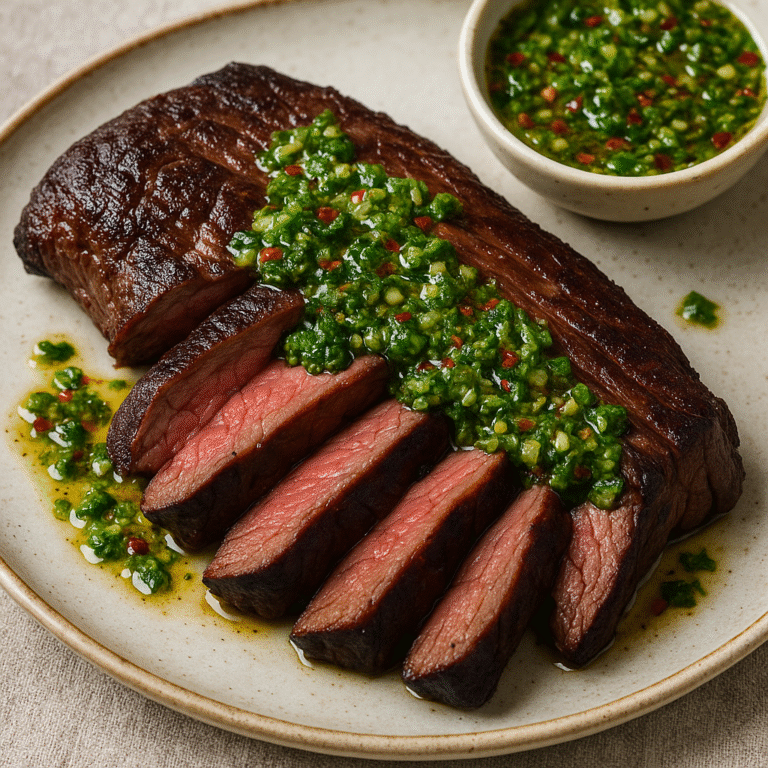
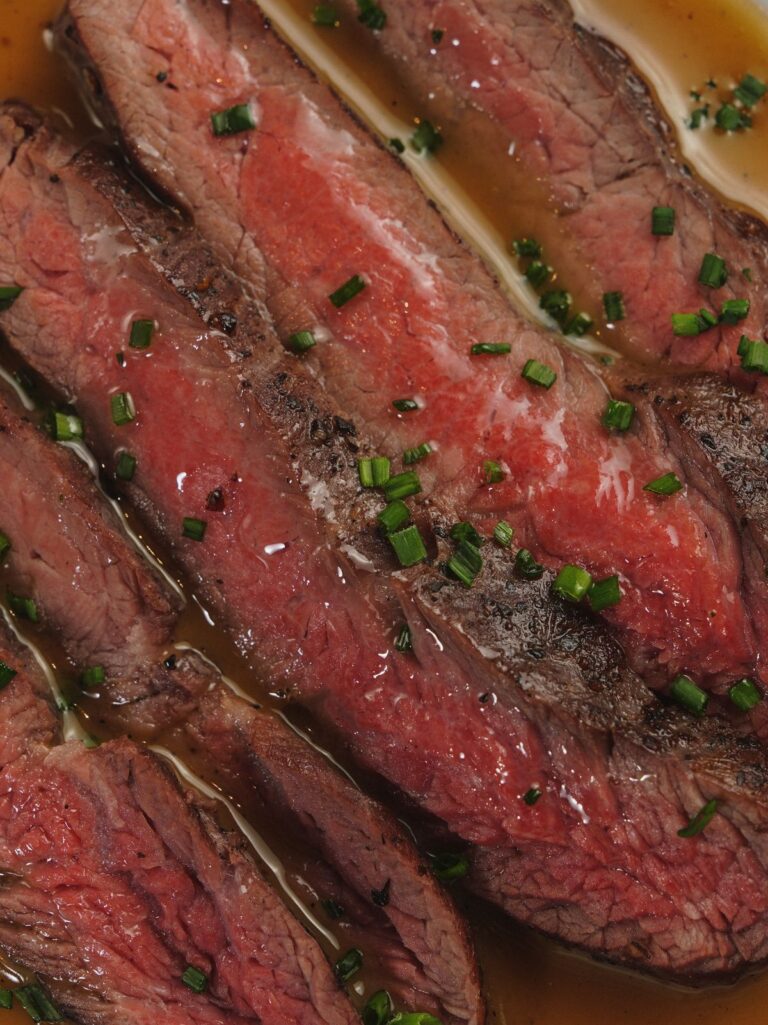
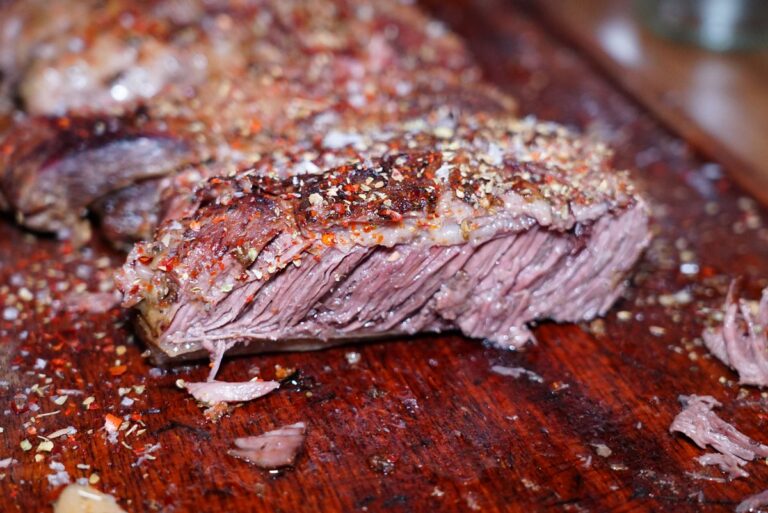
The clearest difference between grass-fed and grain-fed beef is on the plate. Grain-finished cattle put on fat quickly on a high-energy diet, which gives their beef more marbling, a milder flavor, and the buttery tenderness most American steakhouses are built around. Grass-fed and grass-finished beef tends to be leaner, with a firmer bite and a more mineral, sometimes gamey depth that many people come to prefer. Neither is simply better. They are different products, and the right one depends on what you are cooking and what you like. Because grass-fed is leaner, it also cooks a little faster and is less forgiving of high heat, so it rewards a careful hand and an early pull.
What the nutrition actually says
Grass-fed beef is often marketed as the healthier choice, and there is some truth to it, though the gap is smaller than the headlines suggest. Grass-fed beef is typically leaner overall and carries a somewhat higher share of omega-3 fatty acids and certain antioxidants like vitamin E and beta-carotene. Those are real differences, but the absolute amounts are modest compared with, say, eating oily fish, so grass-fed beef is not a substitute for other sources of those nutrients. Both grass-fed and grain-fed beef are excellent sources of protein, iron, zinc, and B vitamins. If you are choosing beef mainly for nutrition, the leanness of the cut and how you cook it matter at least as much as what the animal ate.
Cost, land, and how to choose
Grass-fed beef usually costs more, because the cattle take longer to reach weight and the farming is more land-intensive and often smaller in scale. The sustainability picture is genuinely debated: well-managed grazing can build soil and store carbon, while poorly managed grazing can degrade land, and grain-finishing is more efficient per pound but relies on feed crops. There is no single clean answer, and honest people land in different places. For most home cooks, the practical way to choose is by cut and use. Reach for well-marbled grain-finished beef when you want a rich, tender steak, and lean grass-fed when you want a leaner, more savory profile or you are building a dish where the beef is not the only star. Wherever you land, buying from a farm you trust tells you more about quality than the label alone.