Grilled Pork Tenderloin (Juicy, Foolproof Every Time)
By William Pairing
Pork tenderloin is the cut that saves weeknights. It’s lean, it cooks in the time it takes to set the table, and when you grill pork tenderloin right it comes off the fire juicy and a little smoky with a caramelized crust you’ll want to pick at before it even hits the board. The catch? It’s so lean there’s almost no fat to bail you out if you overcook it. Two minutes too long and you’ve got a dry log. So the whole game here is a quick marinade for flavor and insurance, a hot grill for color, and a thermometer so you pull it at exactly the right moment.
I like a pasture-raised tenderloin from a local farm for this, the flavor is cleaner and it holds moisture better than the shrink-wrapped commodity stuff. If you can get one from a nearby producer, do it. Here’s how to nail it every single time.
Why this recipe works
- The marinade does double duty. Oil, acid, and a little sugar season the meat and help it brown fast, so you build a crust before the inside overcooks.
- Two-zone heat. You sear over the hot side, then finish over the cool side, no scorched outside, raw middle.
- You cook to temperature, not time. Pull at 140-145°F and let carryover finish the job.
- It’s fast. About 15 minutes of hands-on grilling from cold grate to rest.
- It reheats and slices beautifully for salads, tacos, and sandwiches all week.
Ingredients
For the pork
- 2 pork tenderloins about 1 to 1¼ lb (450-570 g) each, silverskin trimmed
For the marinade
- ¼ cup (60 ml) olive oil
- 3 Tbsp (45 ml) soy sauce or tamari
- 2 Tbsp (30 ml) Dijon mustard
- 2 Tbsp (30 ml) honey or maple syrup
- 3 Tbsp (45 ml) apple cider vinegar (lemon juice works too)
- 4 garlic cloves, minced
- 1 Tbsp fresh rosemary, chopped (or 1 tsp dried); thyme is a fine swap
- 1 tsp smoked paprika
- 1 tsp kosher salt
- ½ tsp black pepper
Substitutions: No Dijon? Use whole-grain mustard or a spoon of miso. Skip the sugar if you’re avoiding it, you’ll get less char but it’ll still be great.
How to grill pork tenderloin
- Trim the silverskin. Slide a thin knife under that shiny silver membrane and peel it off in strips. It never breaks down and will make the tenderloin curl on the grill, so this two-minute step matters.
- Marinate. Whisk the marinade, add the pork to a zip-top bag or dish, and turn to coat. Give it at least 30 minutes at room temp, or up to 8 hours in the fridge. Don’t push much past that, the acid will start turning the surface mushy.
- Set up two-zone heat. Fire up the grill for medium-high direct heat on one side (about 450-500°F / 230-260°C) and leave the other side off or low. Oil the grates.
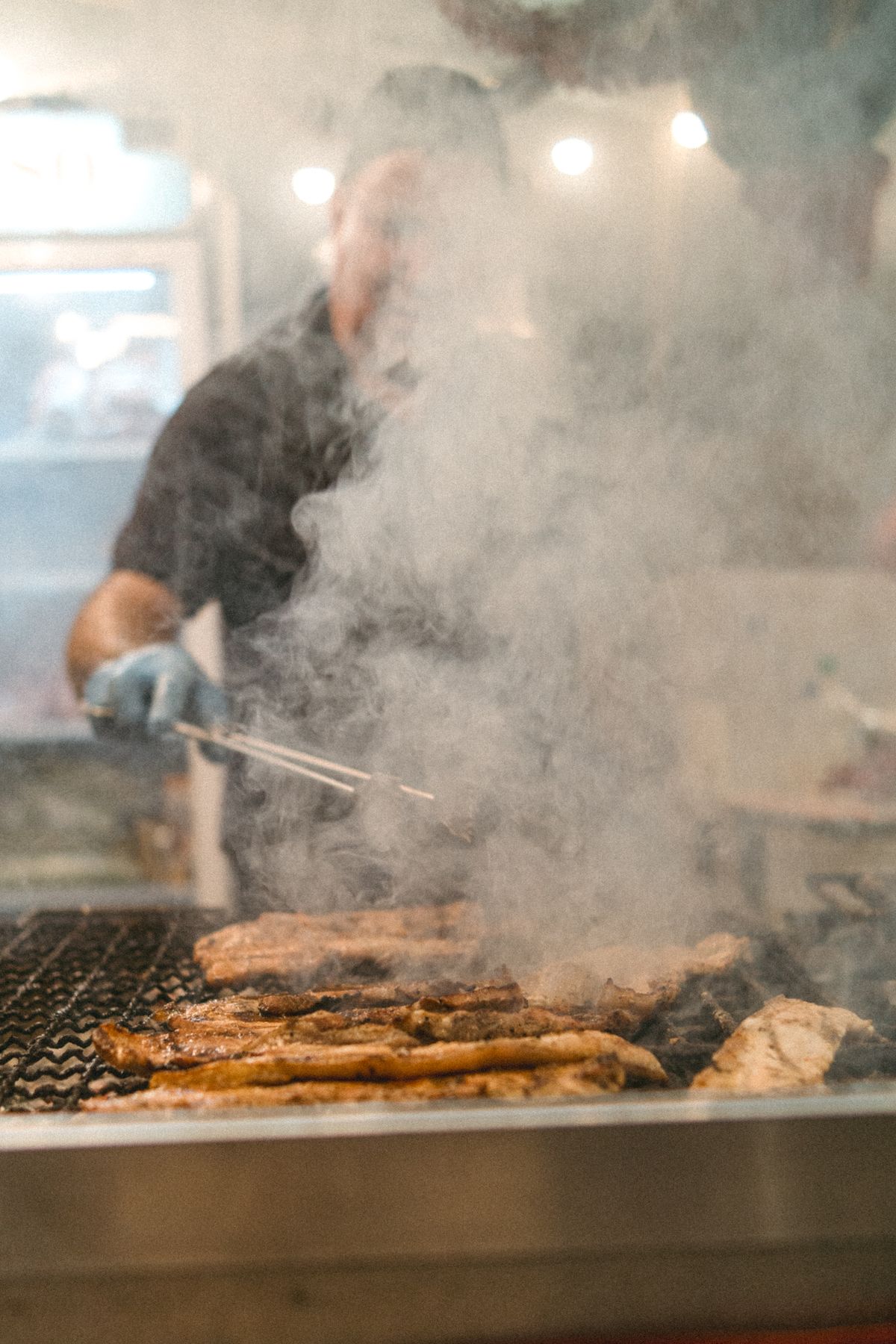
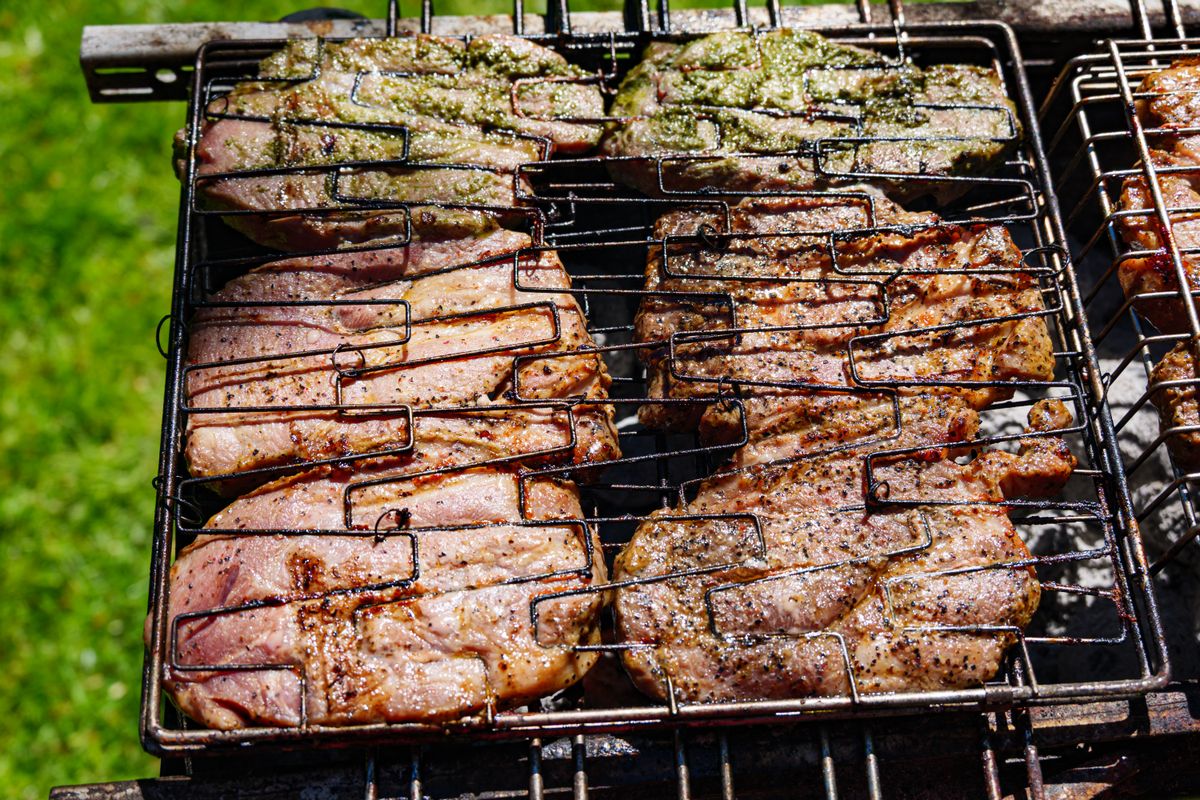
- Sear all sides. Lay the tenderloins over the hot zone and sear about 2 minutes per side, rolling them a quarter-turn at a time, until you’ve got color all the way around, roughly 8 minutes total.
- Finish over indirect heat. Slide the pork to the cool side, close the lid, and cook until the thickest part reads 140°F (60°C) about 8-15 minutes depending on thickness. Start checking early; tenderloins are skinny and move fast.
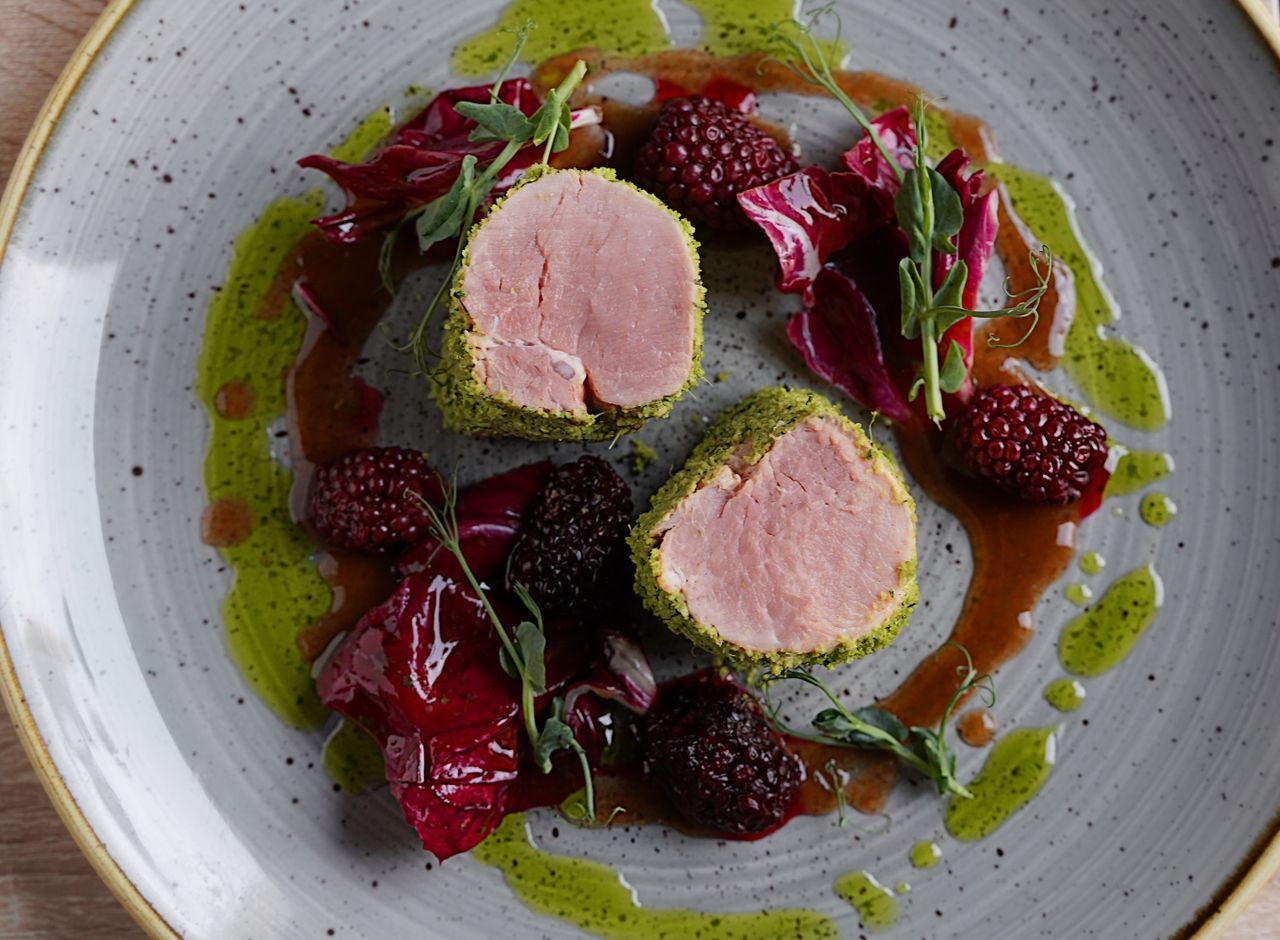
- Rest, then slice. Move to a board, tent loosely with foil, and rest 5-10 minutes. Carryover brings it to the USDA-safe 145°F (63°C). Slice into ½-inch medallions against the grain.
Pro tips & common mistakes
- Buy a probe thermometer. With a cut this lean it’s the difference between juicy and sawdust. Guessing doesn’t work.
- Don’t confuse tenderloin with loin. Pork tenderloin is the small, skinny muscle; a pork loin roast is wider and needs far longer. They are not interchangeable.
- Pat it dry before it hits the grate if it’s been swimming in marinade, surface moisture steams instead of sears.
- Pink is fine. Modern pork cooked to 145°F is safe and slightly rosy in the center. Cooking to the old 160°F is why people think pork is dry.
- Let the grill fully preheat. A lukewarm grate grabs the meat and tears the crust.
Storage & leftovers
Cool leftovers quickly and refrigerate in an airtight container for up to 4 days. To freeze, wrap slices tightly and freeze up to 3 months; thaw overnight in the fridge. Reheat gently, a covered skillet with a splash of broth over low heat, or 20 seconds at a time in the microwave, because a second hard blast of heat will dry lean pork out. Honestly, the cold slices are so good on a sandwich you may not bother reheating.
What to serve with grilled pork tenderloin
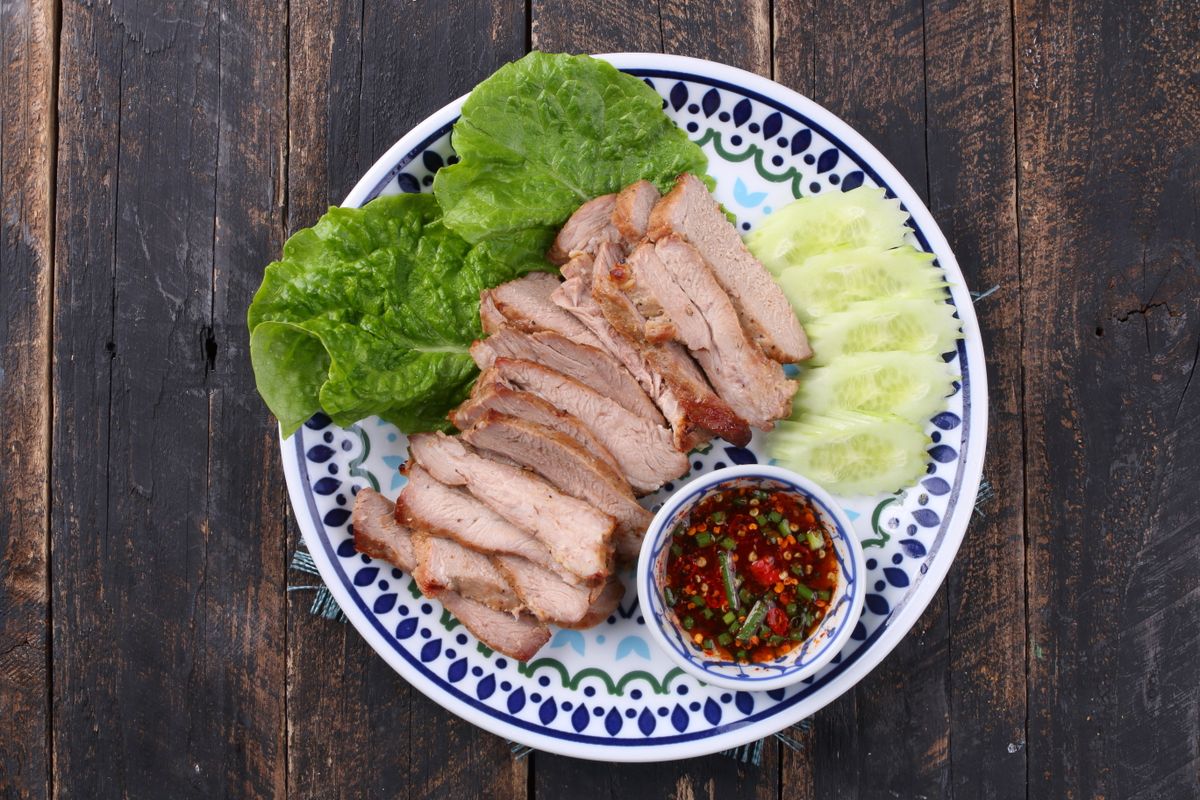
Tenderloin plays nice with almost anything. A few favorites:
- Grilled vegetables, asparagus, zucchini, or corn go on while the pork rests.
- A sharp, acidic side like apple slaw or a mustardy potato salad to cut the richness.
- Warm grains, farro or a herby rice pilaf.
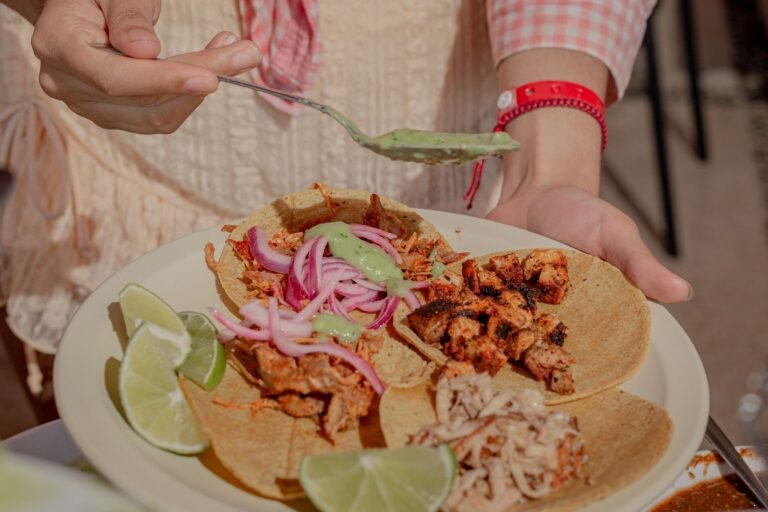
- Leftover medallions piled into tacos or a grain bowl the next day.
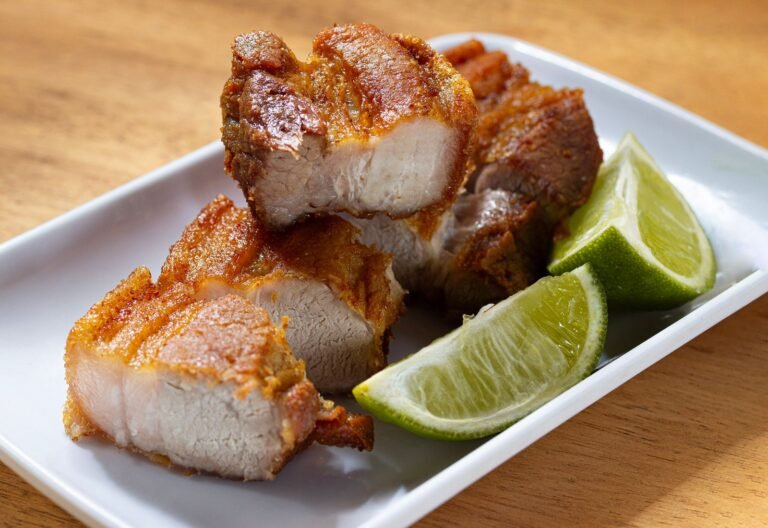
Want another crowd-pleaser off the same animal? Try our pan-seared pork chops or, for a low-and-slow project, crispy roast pork belly. New to two-zone cooking? Our grilling guide covers the setup in more detail, and the pork cuts hub breaks down every cut on the pig.
FAQ
What temperature should grilled pork tenderloin be?
Pull it off the grill at 140°F (60°C) and rest it; carryover heat brings it to the USDA-safe 145°F (63°C). The center will be faintly pink and juicy, which is exactly what you want.
How long can I marinate pork tenderloin?
Anywhere from 30 minutes to about 8 hours. Because the marinade contains acid, going much longer starts to break down the surface and turns the texture mealy.
What’s the difference between pork tenderloin and pork loin?
Tenderloin is the small, narrow, extra-tender muscle that cooks in minutes. Pork loin is a much larger, wider roast that needs longer, gentler cooking. Buying the wrong one throws off every time and temperature here.
Can I make this without a grill?
Yes. Sear the tenderloin in a hot cast-iron skillet on all sides, then transfer to a 400°F (200°C) oven and roast to 140°F internal. Rest as usual.
Why is my pork tenderloin dry?
Almost always overcooking. This cut has very little fat, so a few extra minutes past 145°F squeezes the moisture right out. A thermometer fixes it for good.
Where to buy the pork
This recipe rewards good meat. Pasture-raised pork from a local farm has better flavor and marbling than commodity tenderloin, and you’ll actually taste the difference in something this simple. Find a producer near you through our Find a Farmer directory and ask for whole pork tenderloins, they often come two to a pack, which is perfect for this recipe.