Crispy Roast Pork Belly
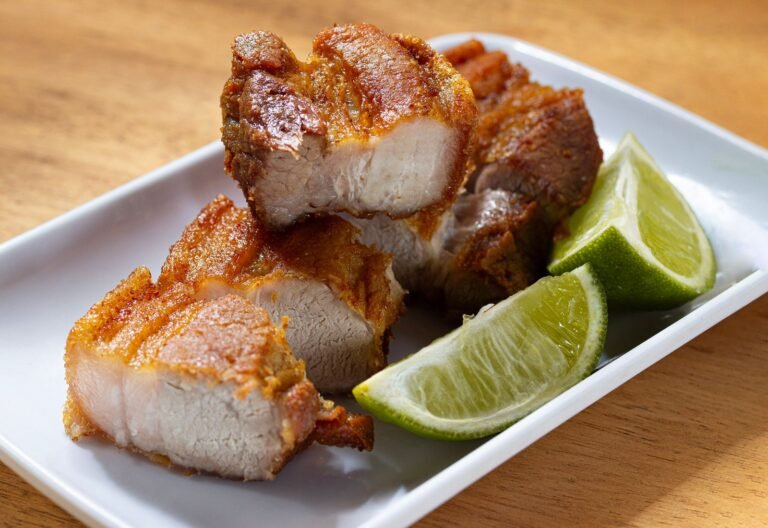
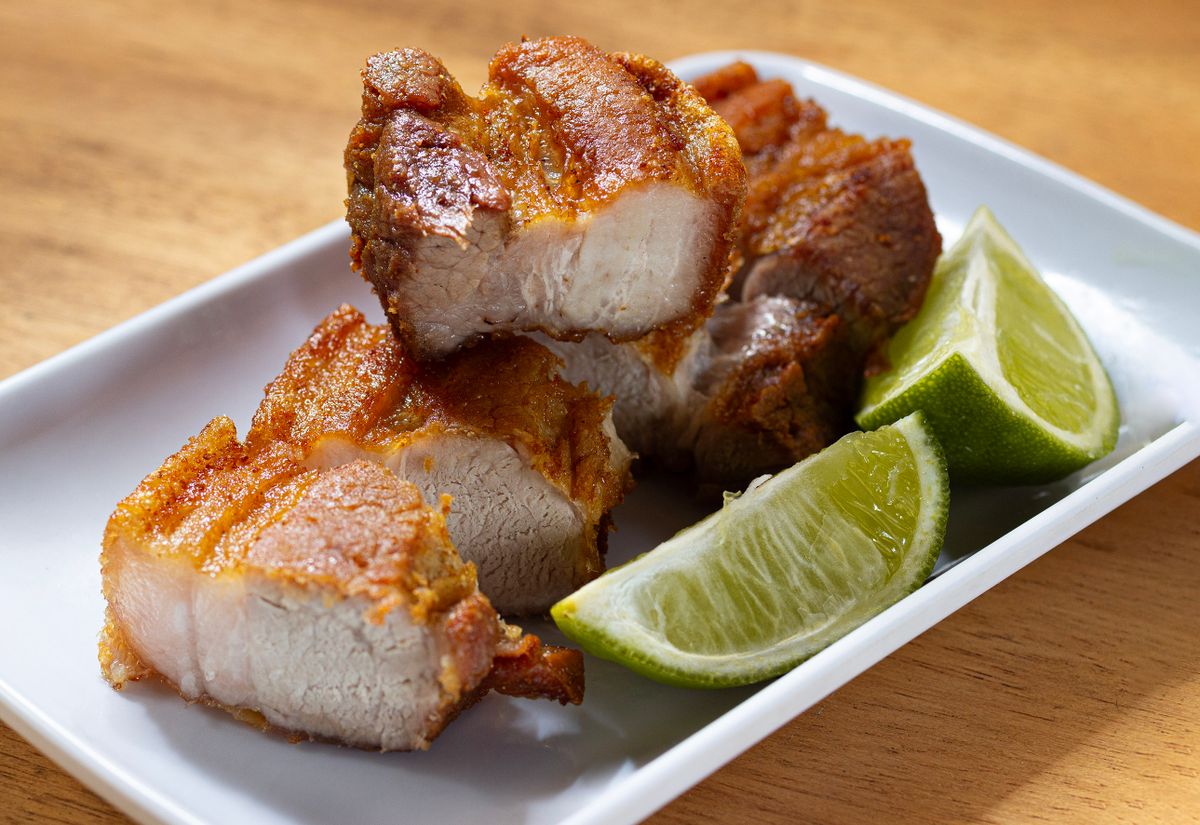
Roast pork belly gives you two great things from one cut: shattering crackling on top and soft, rich meat underneath. The trick is heat in two stages. A long, low roast renders the fat and cooks the meat gentle and tender, then a blast of high heat blisters the skin into crackling. We plan for this a day ahead, because the single biggest factor in good crackling is dry skin. Leave it uncovered in the fridge overnight and the surface tightens like a drum. Buy skin-on belly from a pasture-raised hog, and ask your butcher to score it if you would rather not.
Why this recipe works
- Low heat first renders the thick fat layer slowly, so the meat turns tender instead of greasy or tough.
- A final blast of high heat drives moisture out of the skin fast, which is exactly what turns it to crackling.
- Drying the skin overnight removes the surface water that otherwise steams and leaves the skin chewy.
- Salt and fennel on the flesh season the meat deeply while the skin stays bare and ready to crisp.
Ingredients
- 2 lb (900 g) pork belly, skin on
- 1 tablespoon kosher salt
- 1 teaspoon black pepper
- 1 teaspoon fennel seed, lightly crushed
- 1 tablespoon neutral oil
Substitutions: caraway or coriander seed can stand in for fennel. If you like heat, add a pinch of chili flakes to the flesh side. Flaky sea salt on the skin at the end is optional but worth it.
How to make it
- Score and dry. Score the skin in a tight crosshatch with a sharp knife, cutting through the skin but not into the meat. Pat it bone dry. For the best crackling, leave it uncovered in the fridge overnight.
- Season. Rub oil and the kosher salt into the skin, working salt into the score lines. Turn the belly over and season the flesh with the pepper and crushed fennel.
- Roast low. Set the belly skin side up on a rack and roast at 300F for about 2 hours, until the meat is tender when poked with a knife. This is where the fat renders and the meat relaxes.
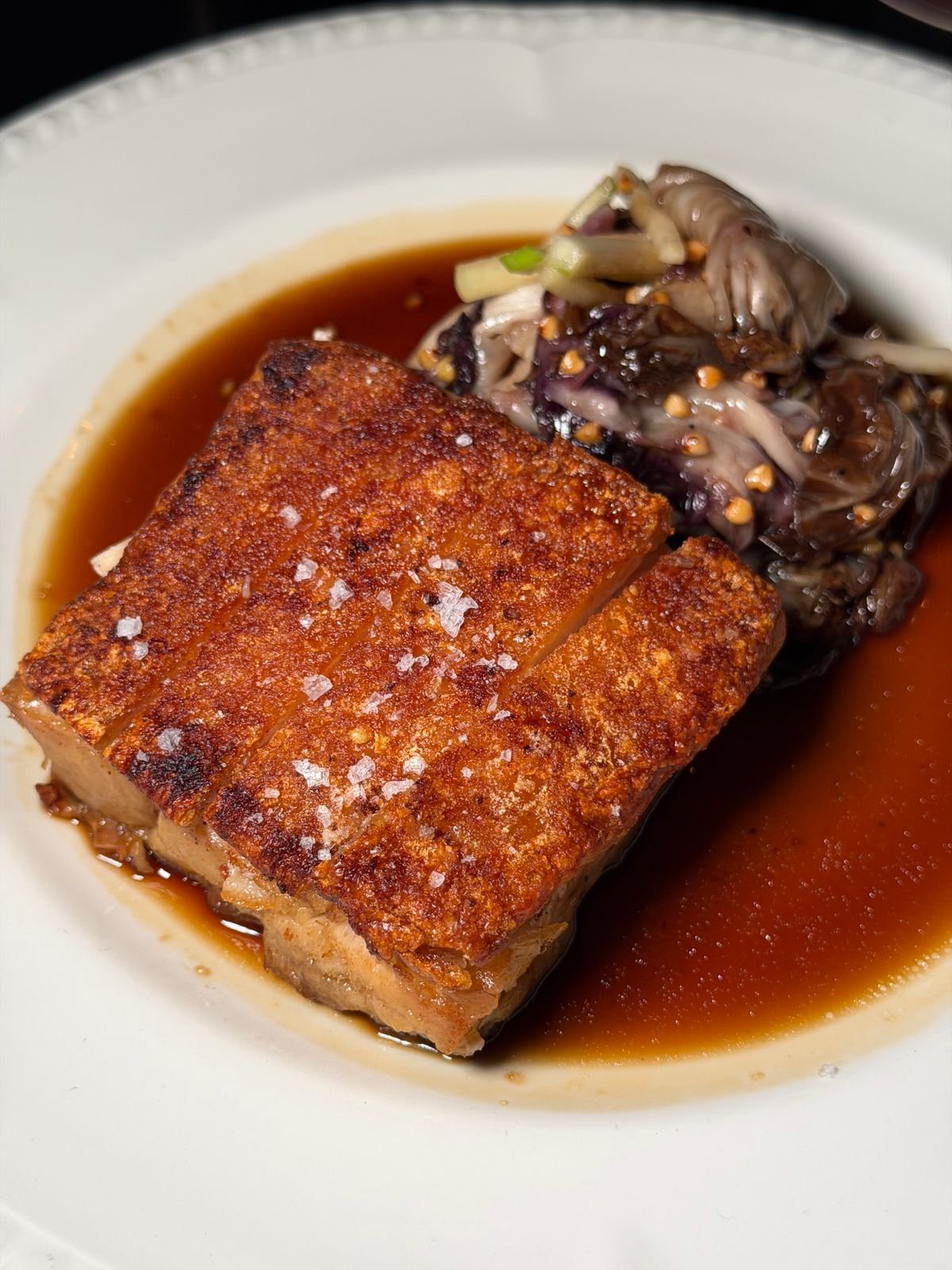
- Crank the heat. Raise the oven to 465F and roast another 20 to 30 minutes, watching closely, until the skin puffs and blisters into crackling across the whole surface.
- Rest and slice. Rest the belly 10 minutes, then slice through the crackling with a serrated knife so the skin does not shatter off the meat.
Pro tips and common mistakes
- Dry skin is everything. If you skip the overnight dry, at least pat the skin hard and leave it uncovered in the fridge for a few hours.
- Keep the belly level in the oven. If one side dips, the rendered fat pools there and that spot will not crisp. Prop up the low corner with a ball of foil.
- We slice crackling with a serrated blade and lift with metal tongs, not plastic, so nothing warps against the hot skin.
- Do not salt the flesh and skin the same way. Salt on the flesh seasons, salt worked into the skin helps it dry and crisp.
- If the skin has not fully crackled, run it under a hot broiler for a minute or two, turning the pan so it blisters evenly.
Storage and leftovers
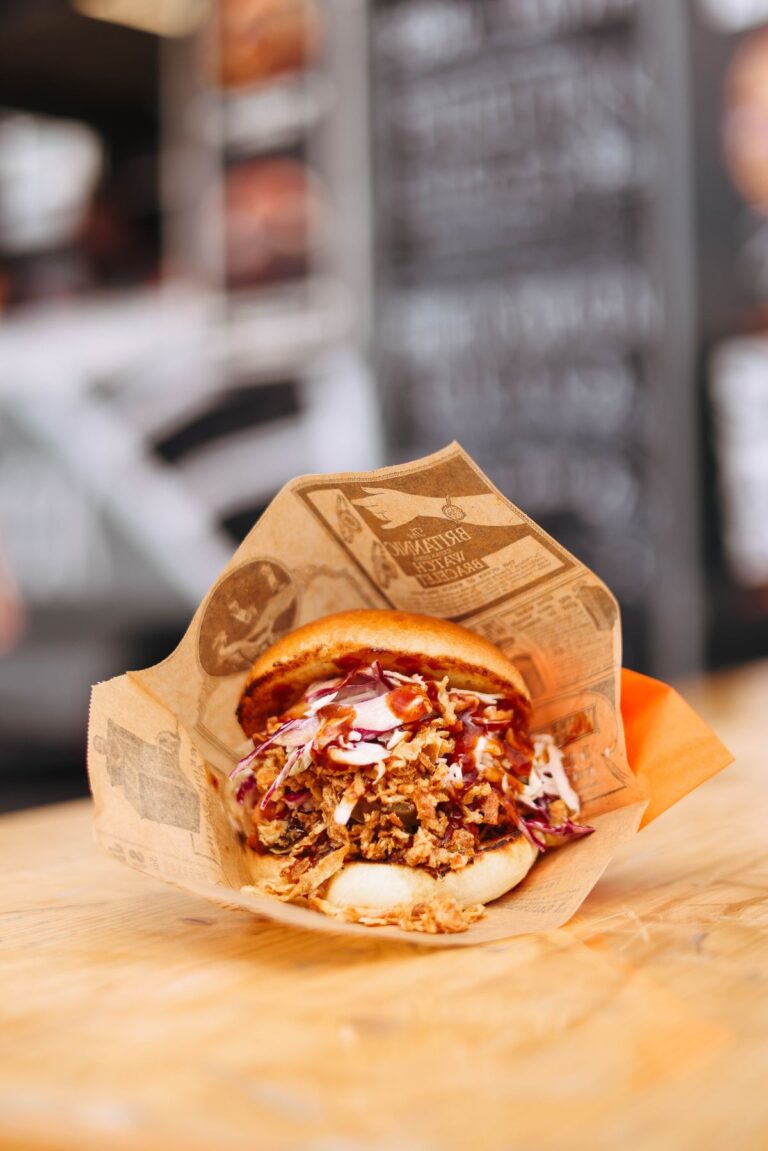
Roast pork belly keeps for up to 3 days in the fridge, though the crackling softens once stored. To bring the crisp back, reheat slices in a hot skillet or a 400F oven for a few minutes rather than the microwave, which turns the skin leathery. Leftover belly is a gift: dice it into fried rice, tuck it into steamed buns with pickles, or crisp it and drop it over a bowl of ramen. The rendered fat left in the pan is liquid gold for roasting potatoes.
What to serve with it
- A sharp, acidic slaw or pickled vegetables to cut the richness.
- Steamed greens with garlic.
- Plain rice or soft buns to balance the fat.
- A crisp Riesling or a hoppy beer.
Nutrition
About 450 calories, 20g protein, 40g fat, and 0g carbs per serving. These are estimates and vary with the exact cut, trim, and any substitutions.
FAQ
How do I get really crispy crackling?
Dry the scored skin uncovered in the fridge overnight, roast low first to render the fat, then finish with high heat until the skin blisters all over.
Do I have to score the skin?
Yes. Scoring lets the fat render and the skin puff. Cut through the skin and into the fat, but stop before the meat.
Why is my crackling chewy in spots?
Those spots held moisture or sat below the level of the rest of the belly. Keep the belly flat and give any soft areas a minute under the broiler.
Can I make it without an overnight dry?
You can, but plan for a few hours of uncovered fridge time at minimum. The drier the skin, the better the crackling.
What thickness of belly should I buy?
A piece about 1.5 inches thick gives you a good ratio of crackling to meat and cooks evenly in this timing.
Where to buy the pork
Good belly comes from well-raised pigs with a thick, clean fat layer. We look for skin-on belly from pasture-raised hogs. Use our Find a Farmer directory to source pork belly near you.
Read more about the cut in our guide to pork belly and our full guide to pork. For more pork, try our pan-seared pork chops or slow cooker pulled pork. New to roasting? See our guide to cooking meat by every method.
Choosing and prepping the belly
A good piece of belly has even layers of meat and fat running through it, not one thick band of fat with a thin strip of meat. Ask for a center-cut section so the slices look tidy on the plate. Skin-on is not optional here, since the skin is where the crackling comes from, so tell your butcher not to remove it. Before you score, run your fingers over the skin and pull off any stray hairs or rough patches. A sharp box cutter or a very keen chef knife scores cleaner lines than a dull blade, and clean lines crackle more evenly. If the belly still has the rib bones attached, you can roast it bone-in for extra flavor and slice between the bones to serve, or ask for it boneless for easier carving.