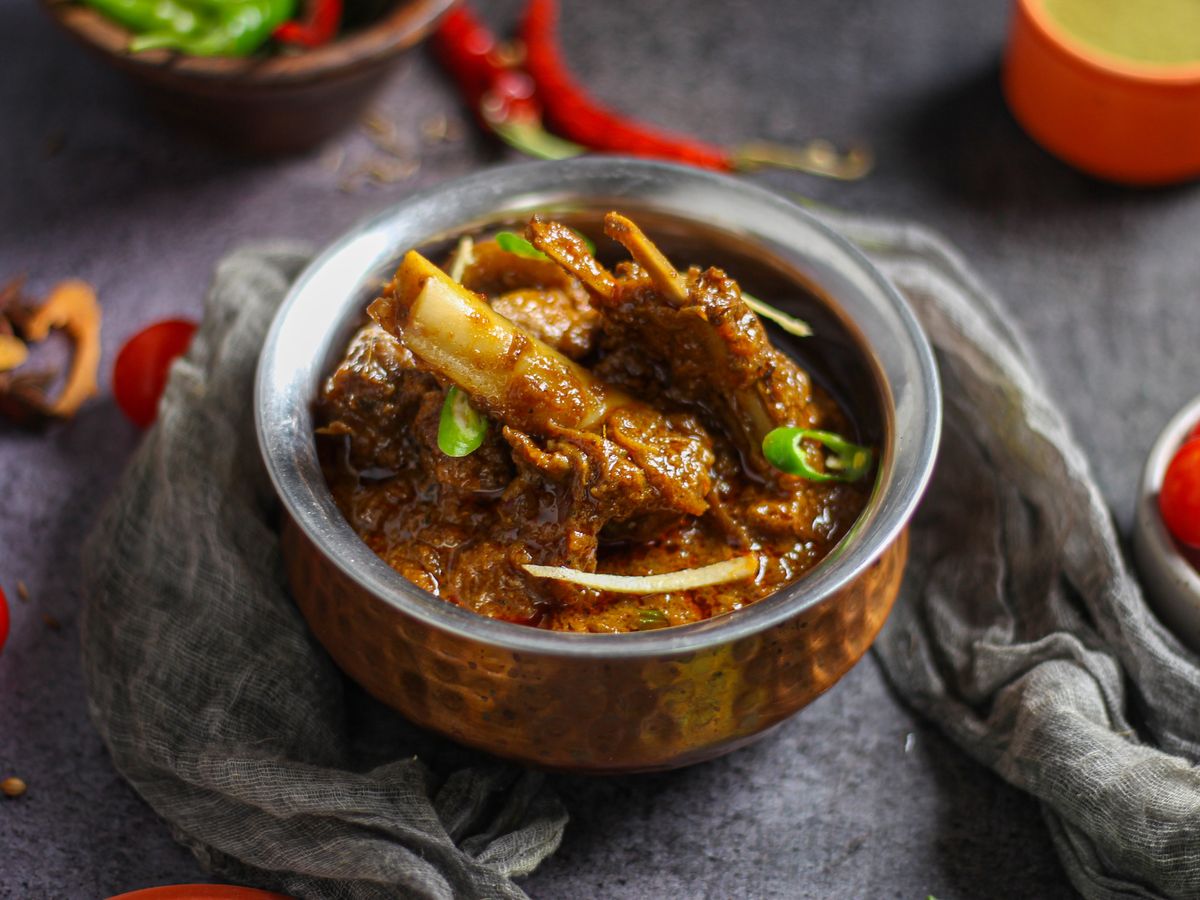
Jamaican Curry Goat
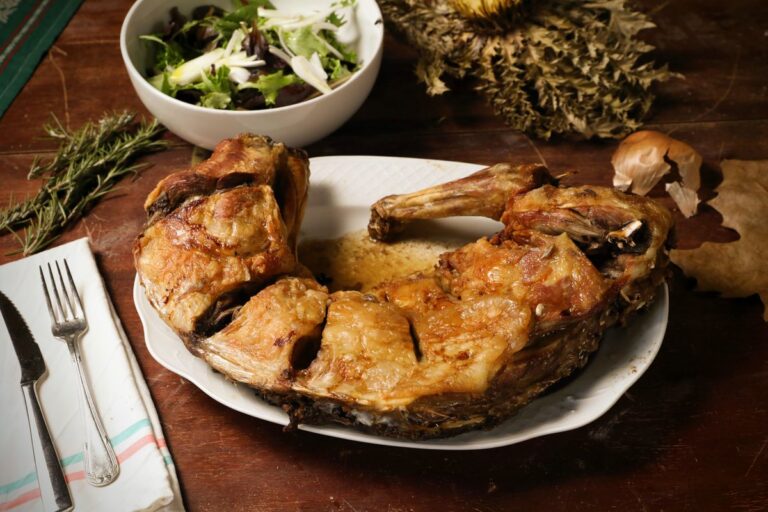
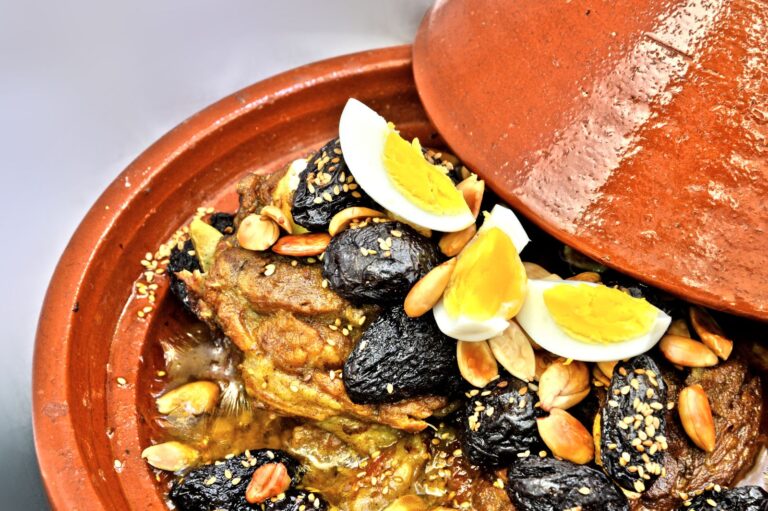
Curry goat is Sunday food across the Caribbean: bone-in goat marinated in curry, seared, and simmered low with Scotch bonnet and thyme until the meat gives way. The bones do the heavy lifting here, thickening the gravy and lending it a depth you cannot get from boneless meat. It is a patient dish, not a quick one, but the actual work is small and the reward is a pot of deeply spiced, tender goat that tastes even better the next day. Goat is the most eaten meat in the world, lean and full of flavor, and this is one of the best ways to cook it. Start with bone-in goat shoulder or leg from a farm you trust, and give the curry time to bloom.
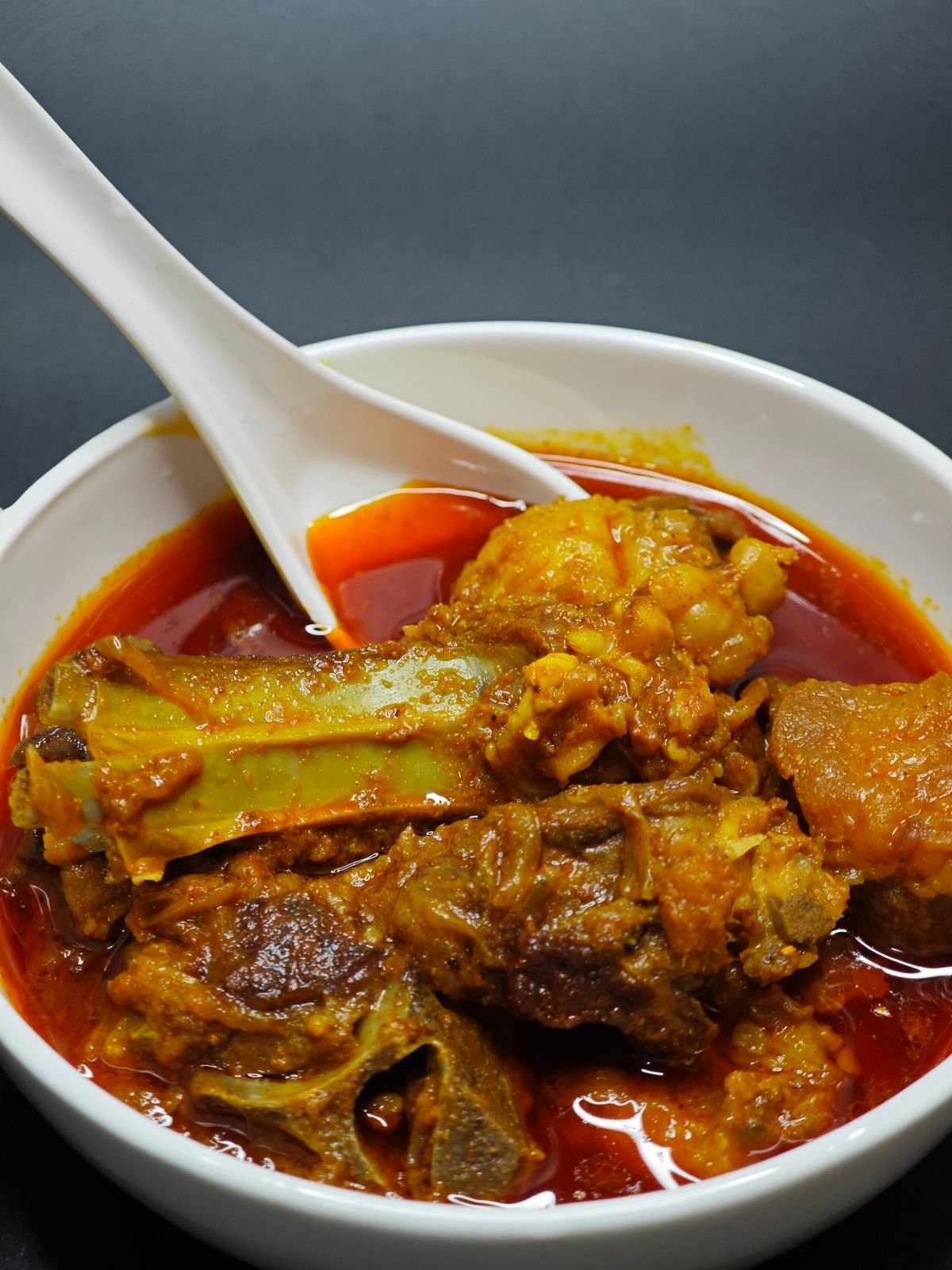
Why this recipe works
- Marinating the goat in curry overnight drives the spice deep into the meat rather than leaving it on the surface.
- Blooming the curry powder in hot oil wakes up the spices and builds the base flavor of the gravy.
- Bone-in goat releases collagen as it simmers, which thickens the sauce and makes the meat meltingly tender.
- A whole Scotch bonnet adds fruity heat and aroma without tearing the dish apart, as long as you do not burst it.
Ingredients
- 3 lbs (1.4 kg) bone-in goat, cut into 2-inch pieces
- 3 tablespoons Caribbean curry powder
- 1 teaspoon ground allspice (pimento)
- Kosher salt and black pepper
- 2 tablespoons neutral oil
- 1 large onion, diced
- 4 cloves garlic, minced
- 1 tablespoon fresh ginger, minced
- 3 sprigs thyme
- 1 Scotch bonnet, left whole
- 2 cups water or stock
- 2 potatoes, cut into chunks (optional)
Substitutions: lamb or mutton work with the same method. If you cannot find Scotch bonnet, a habanero is the closest match.
How to make it
- Marinate. Toss the goat with 2 tablespoons of the curry powder, the allspice, salt, and pepper. Cover and refrigerate for at least a few hours, ideally overnight.
- Bloom the curry. Heat the oil in a heavy pot, add the remaining tablespoon of curry powder, and stir for 30 seconds until fragrant and darkened.
- Sear the goat. Add the marinated goat and brown it on all sides, then stir in the onion, garlic, and ginger and cook until softened.
- Simmer low. Add the thyme, whole Scotch bonnet, and water, cover, and simmer gently for about 2 hours, until the meat is tender. Add the potatoes in the last 30 minutes if using.
- Finish. Fish out the Scotch bonnet and thyme stems, taste for salt, and let the curry rest a few minutes so the gravy settles before serving.
Pro tips and common mistakes
- Marinate overnight if you can. The longer the goat sits in the curry, the deeper the flavor.
- Bloom the curry powder in oil. Raw curry powder tastes dusty, while a quick toast in hot oil transforms it.
- Do not burst the Scotch bonnet unless you want serious heat. Left whole it perfumes the pot; broken open it sets it on fire.
- We simmer in a heavy Dutch oven and stir with a wooden spoon, never plastic, over the long cook.
- Keep it at a gentle simmer. A rolling boil toughens the goat before the collagen can soften.
Storage and leftovers
Curry goat keeps for up to 4 days in the fridge and, like most braises, deepens in flavor overnight. Store it in its gravy so the meat stays moist, and reheat gently on the stove with a splash of water if the sauce has thickened too much. It freezes well for up to 3 months. Leftovers are excellent spooned over rice, tucked into a roti, or served with a piece of hard dough bread to mop up the gravy.
What to serve with it
- Rice and peas, the classic pairing.
- Warm roti or hard dough bread.
- Fried plantain for sweetness.
- A crisp cabbage slaw to cool the heat.
Cooking goat well
Goat is eaten by more people worldwide than any other red meat, yet it is unfamiliar to a lot of cooks, which is a shame because it is delicious and healthy. It is leaner than lamb, with a cleaner, less gamey flavor, and because it has little fat it rewards moist, gentle cooking rather than fast, dry heat. That is why bone-in braises and curries suit it so well: the long, wet simmer keeps the lean meat from drying out while the connective tissue and bones enrich the sauce. Buy it bone-in whenever you can, since the bones are doing real work here, and do not rush it, as goat needs a little more time than lamb to become truly tender. Cook it with respect for its leanness and it delivers a depth of flavor that wins people over on the first bowl.
Nutrition
About 380 calories, 42g protein, 18g fat, and 10g carbs per serving. These are estimates and vary with the exact cut, trim, and any substitutions.
FAQ
What cut of goat is best for curry?
Bone-in shoulder or leg, cut into chunks. The bones thicken the gravy and keep the lean meat moist through the long simmer.
How long does curry goat take to cook?
About 2 hours at a gentle simmer, until the meat is tender. Older goat may need longer.
How spicy is it?
As spicy as you make it. A whole, unbroken Scotch bonnet adds aroma and mild heat, while bursting it makes the dish much hotter.
Can I use lamb instead?
Yes. Lamb or mutton work with the same method, though lamb cooks a little faster than goat.
Why bloom the curry powder?
Toasting the curry in hot oil wakes up the spices and removes the raw, dusty taste, giving the gravy a deeper flavor.
Where to buy the goat
Good goat can be hard to find in a supermarket, so it is worth sourcing from a farm. Use our Find a Farmer directory to source goat near you.
Learn more in our guide to goat shoulder and our full guide to goat. For more goat, try our goat birria or goat barbacoa. New to braising? Read our guide to cooking meat by every method.