Cast Iron Chicken Thighs with Charred Lemon and Capers
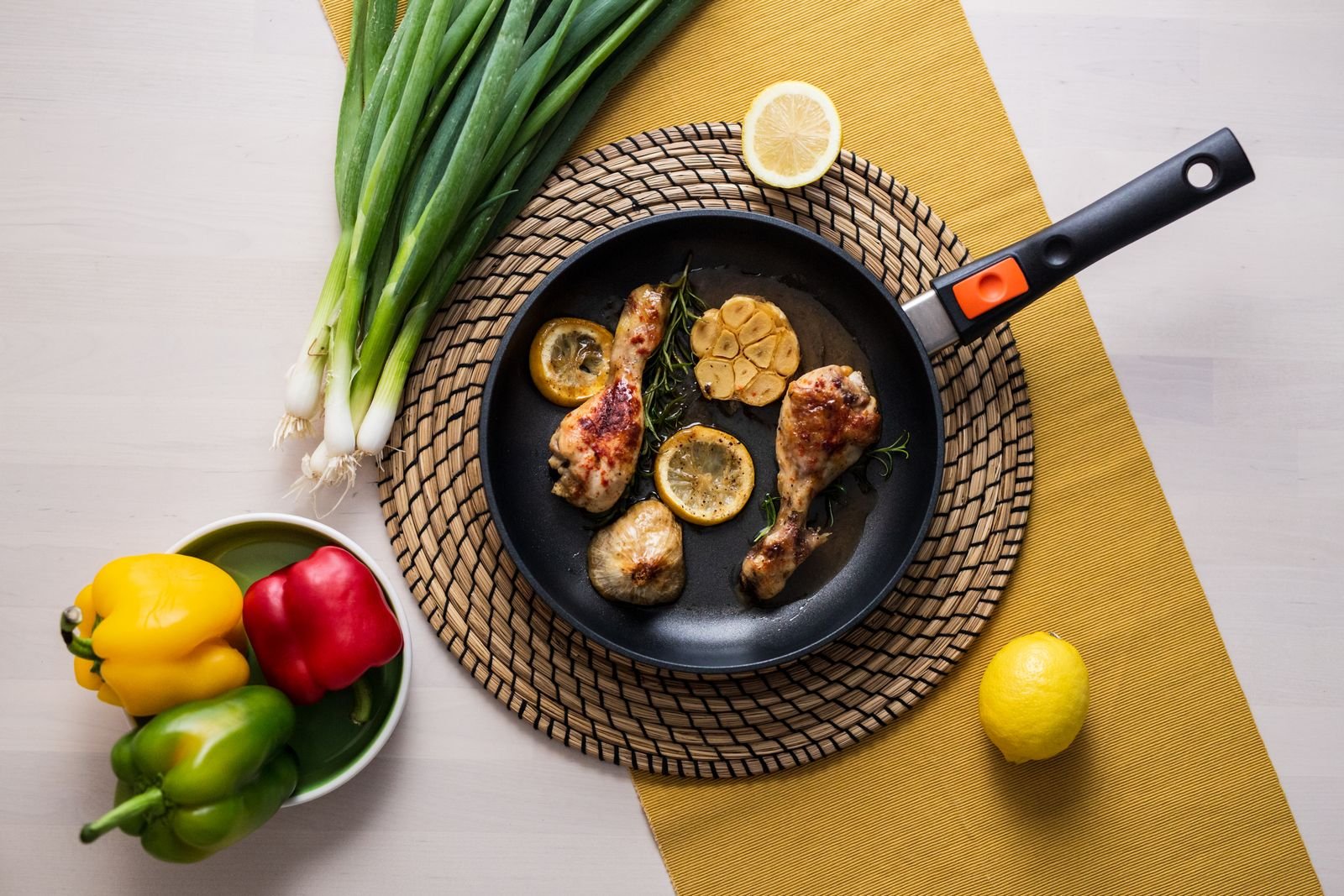
Chicken thighs forgive almost everything. Leave them in the pan a few minutes past where you meant to and they are still juicy, because dark meat carries enough fat and connective tissue to survive real heat. That is why we reach for them when we want food that tastes like it came out of a restaurant kitchen without the tension of a breast that can go chalky in ninety seconds. These cast iron chicken thighs with charred lemon and capers are the version we make most often.
The hero here is not the chicken. It is the lemon. Halved and pressed cut side down into a hot skillet, the sugars in the flesh caramelize and the sharp edge of the acid softens into something rounder, slightly bitter, closer to marmalade than to juice. Squeeze that over crackling skin, add capers, and the pan sauce has fat, acid, and salt all pulling in the same direction.
One honest tip before you start. Dry the skin, salt it, then leave the thighs uncovered in the fridge for at least an hour. Wet skin steams. Dry skin crackles. Everything after that is a matter of not fidgeting with the pan.
Why this recipe works
- The dry brine pulls surface moisture out and seasons the meat past the skin, so you get crackle on the outside and seasoned meat underneath.
- Cast iron holds its heat when four cold thighs hit it at once, which is exactly when a thin pan would stall and start steaming.
- Rendering skin side down over medium heat for ten minutes or more turns the fat under the skin into the cooking medium. You are frying the chicken in itself.
- Charring the lemon in the same pan tames its acidity and picks up the browned fond, so the sauce tastes cooked rather than squeezed on at the end.
- Capers and their brine add salt without adding more salt crystals, which keeps the sauce balanced against all that rendered fat.
Ingredients
For the chicken
- 4 bone-in, skin-on chicken thighs (about 6 to 7 oz / 170 to 200 g each), pasture-raised if you can get them
- 1 1/2 tsp kosher salt (about 7 g), plus a pinch to finish
- 1/2 tsp coarsely ground black pepper
- 1 tbsp (15 ml) neutral oil with a high smoke point, such as avocado or refined sunflower
For the charred lemon and caper pan sauce
- 2 lemons: 1 halved crosswise for charring, 1 for zest and a squeeze at the end
- 2 tbsp (18 g) capers, drained, brine reserved
- 1 medium shallot (about 40 g), sliced thin
- 2 garlic cloves, smashed and left whole
- 1/3 cup (80 ml) dry white wine, or chicken stock
- 2 tbsp (28 g) cold unsalted butter, cut into 4 cubes
- 2 tbsp chopped flat-leaf parsley
- Optional: 1/2 tsp Aleppo pepper or a pinch of chili flakes
Substitutions. No capers? Chopped green olives or a spoon of pickle brine will do similar work, though olives are milder. No wine? Use stock plus 1 tsp of the caper brine for the acidity you lose. Boneless skinless thighs work, but cut the sear to 4 minutes a side and expect no crackle. Shallot can be swapped for half a small yellow onion. If you avoid dairy, finish with 2 tbsp of good olive oil instead of butter, whisked in off the heat the same way.
How to make cast iron chicken thighs with charred lemon and capers
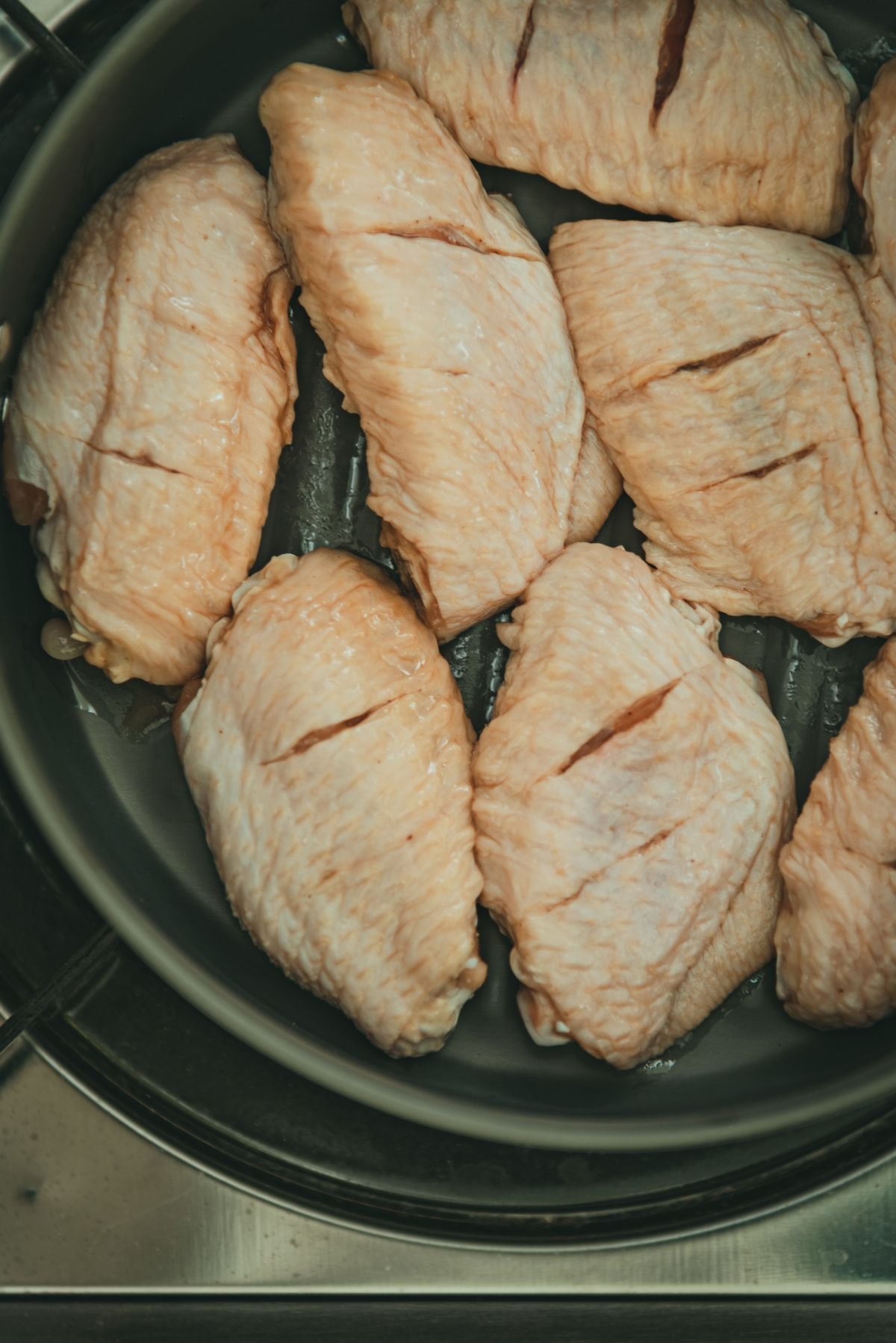
- Dry brine the thighs. Pat each thigh completely dry, then season all over with the salt and pepper, giving the skin side the heavier hand. Set them skin side up on a rack over a plate and refrigerate uncovered for 1 to 12 hours. The salt draws moisture to the surface, then that moisture evaporates in the cold dry air of the fridge. This single step does more for crisp skin than anything you do in the pan.
- Temper the chicken and heat the pan. Pull the thighs out 20 minutes before cooking. Set a 12 inch cast iron skillet over medium heat for 4 to 5 minutes until a drop of water skitters rather than sits. Add the oil and swirl. A pan that is merely warm will let the skin stick; a pan that is smoking will scorch the skin before the fat renders.
- Sear skin side down. Lay the thighs skin side down away from you. Press each one flat with a metal fish spatula for about 30 seconds so the whole skin makes contact. Then leave them alone for 10 to 13 minutes over medium to medium low heat. You are listening for a steady sizzle, not a roar. The skin releases on its own when it is ready, so if it grips the pan it needs another minute or two.
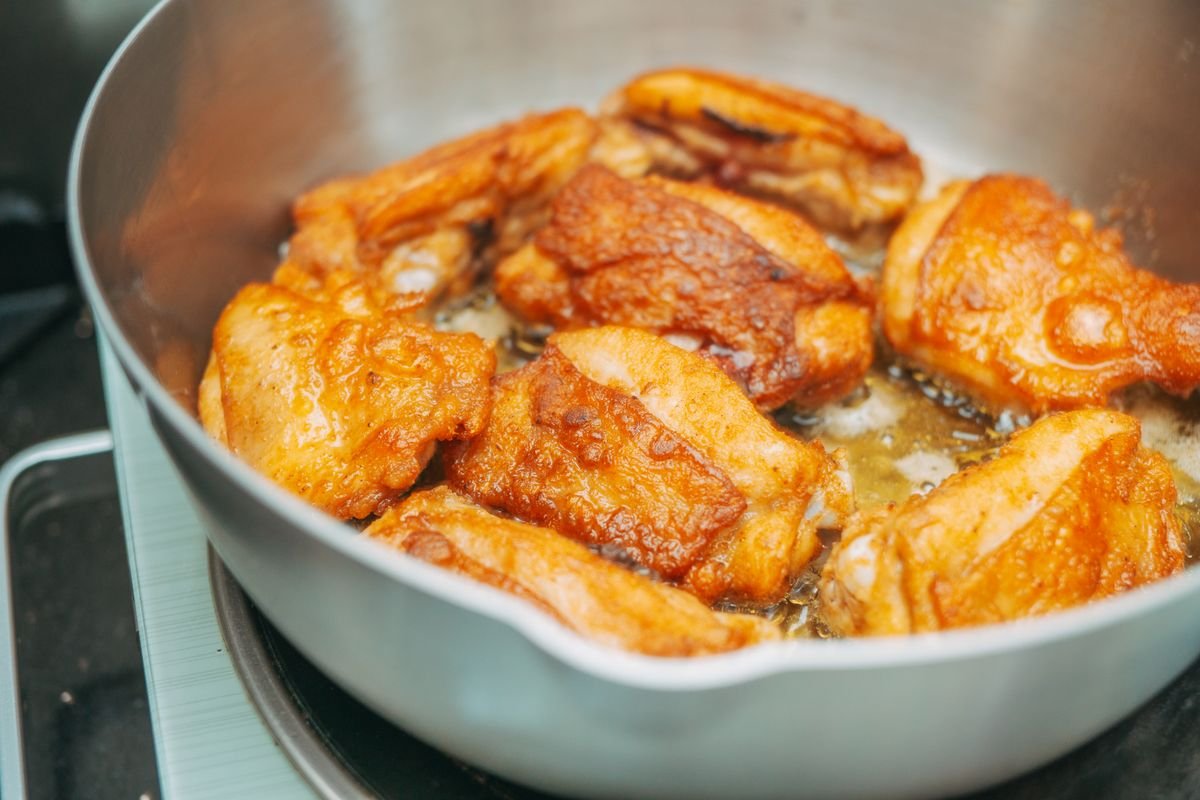
- Flip and finish. Turn the thighs and cook 5 to 7 minutes more, until a thermometer in the thickest part next to the bone reads 175F (79C). Move them to a warm plate, skin side up so it stays crisp. Dark meat is better at 175 to 185F than at 165F, because the collagen needs that extra heat to soften.
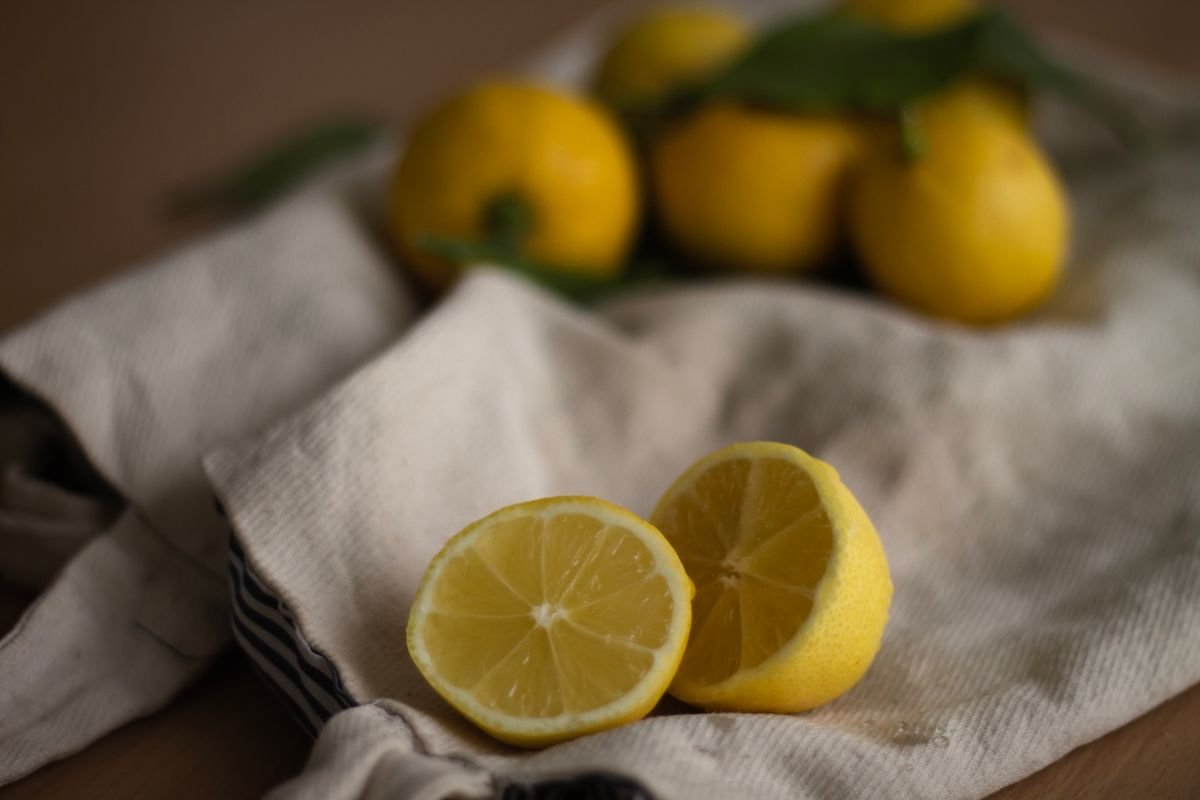
- Char the lemons. Pour off all but about 1 tbsp of the fat. Lay the lemon halves cut side down in the hot pan and press them with the back of a wooden spoon. Char for 2 to 3 minutes until the cut faces are dark brown and sticky. Lift them out and set aside.
- Build the caper pan sauce. Add the shallot and garlic and stir for 1 minute, then the capers and Aleppo pepper for 30 seconds more. Pour in the wine and scrape every brown speck off the bottom with a wooden spoon. Let it reduce by half, about 2 minutes. Squeeze in the juice from both charred lemon halves, roughly 2 tbsp, plus 1 tsp of the reserved caper brine. Pull the pan off the heat, then whisk in the cold butter one cube at a time. Off the heat is not optional. Butter added over a flame will split and leave you with a greasy slick instead of a glossy sauce.
- Rest and serve. The thighs have been resting while you built the sauce, which is about all they need. Spoon the sauce around them rather than over the skin, so the crust stays crisp. Finish with parsley, the zest of the second lemon, and a squeeze of its juice if the sauce needs brightening.
Pro tips and common mistakes
- Do not move the chicken. Every time you lift a thigh to peek, you cool the contact surface and restart the browning. Trust the sound and the smell.
- Medium heat, not high. Fat renders slowly. High heat browns the skin in 4 minutes and leaves a flabby layer of unrendered fat underneath it.
- Pour the fat off before the sauce. Four thighs can give up a quarter cup of schmaltz. Leave it in and your sauce will never come together. Save it in a jar for roasting potatoes.
- Use a thermometer. Thigh meat near the bone runs 10F colder than the outside, and poking with a knife tells you very little. We use a Thermapen and check the thickest thigh.
- Skip the lid. Covering the pan traps steam and undoes the crust you just spent ten minutes building.
Storage and leftovers
Keep the chicken and the sauce in separate airtight containers in the fridge for up to 4 days. Sauce stored on top of the skin will soften it overnight, which is the main thing to avoid. To reheat, set the thighs skin side down in a dry skillet over medium for 3 to 4 minutes, then flip for another 2, and warm the sauce gently in a small pan with a splash of water so the butter does not break.
Cooked thigh meat freezes reasonably well for up to 3 months once pulled off the bone, though the skin will not survive it. The pan sauce does not freeze; the emulsion separates. Leftover meat shredded into white beans or folded into a rice bowl with a spoon of the caper brine is better than reheating the whole thigh anyway.
What to serve with it
- White beans with olive oil and rosemary. They soak up the sauce and need nothing else from you.
- Buttered orzo or wide egg noodles. Starch with enough surface area to catch the capers.
- Charred broccolini or blistered green beans. Cook them in the same skillet after the chicken comes out and before you pour off the fat.
- A loaf of crusty bread. The least sophisticated option and the one we pick most nights.
Nutrition
About 380 calories, 29g protein, 27g fat, and 5g carbs per serving (1 thigh with sauce). These are estimates and vary with the exact cut, trim, and any substitutions.
Frequently asked questions
Can I use boneless skinless chicken thighs?
Yes, and the sauce is just as good, but you lose the crackle. Sear them 4 to 5 minutes on the first side and 3 to 4 on the second, and pull them at 175F. You will also have far less rendered fat to pour off, so add an extra teaspoon of oil before you char the lemons.
Why cook chicken thighs to 175F instead of 165F?
165F is the food safety number, and thighs are safe there. They are not good there. Dark meat is full of collagen that needs to sit between 175 and 185F to break down into gelatin, which is what makes a thigh taste tender rather than rubbery. Breast meat is the opposite and should come off at 155 to 160F.
My skin stuck to the pan and tore. What went wrong?
Almost always one of two things: the pan was not hot enough when the chicken went in, or you tried to flip too early. Skin releases itself once the crust sets. If a thigh resists when you nudge it with a spatula, give it another minute or two and try again.
Can I make the pan sauce without wine?
Use chicken stock plus 1 tsp of the reserved caper brine. The wine mostly brings acid and a little sweetness, and between the charred lemon and the brine you already have plenty of acid in play. Do not substitute water; there is nothing in it to build on.
Do I need a cast iron skillet for this?
A heavy stainless or carbon steel pan works. What matters is mass and an uncoated surface, because you need the pan to hold its heat when cold chicken hits it and you need fond to stick so you can deglaze it. Nonstick will cook the chicken but give you almost nothing to make a sauce from.
Where to buy the chicken
Thighs are where the difference between a supermarket bird and a pastured one shows up most clearly. Birds that actually moved around build more of the connective tissue and fat in the leg quarter that this recipe depends on, and the skin tends to be thicker and render better. If you want to buy poultry closer to the source, our Find a Farmer directory lists farms selling pasture-raised chicken direct, often by the whole bird or the case.
Worth reading next: our breakdown of the chicken thigh and how it differs from the drumstick, the wider poultry guide covering every cut on the bird, and our guide to pan searing if you want the theory behind the crust. For more thigh recipes, try our crispy baked chicken thighs when you want hands-off, or a whole roast chicken when you are feeding more people.