Perfect Pan-Seared Pork Chops
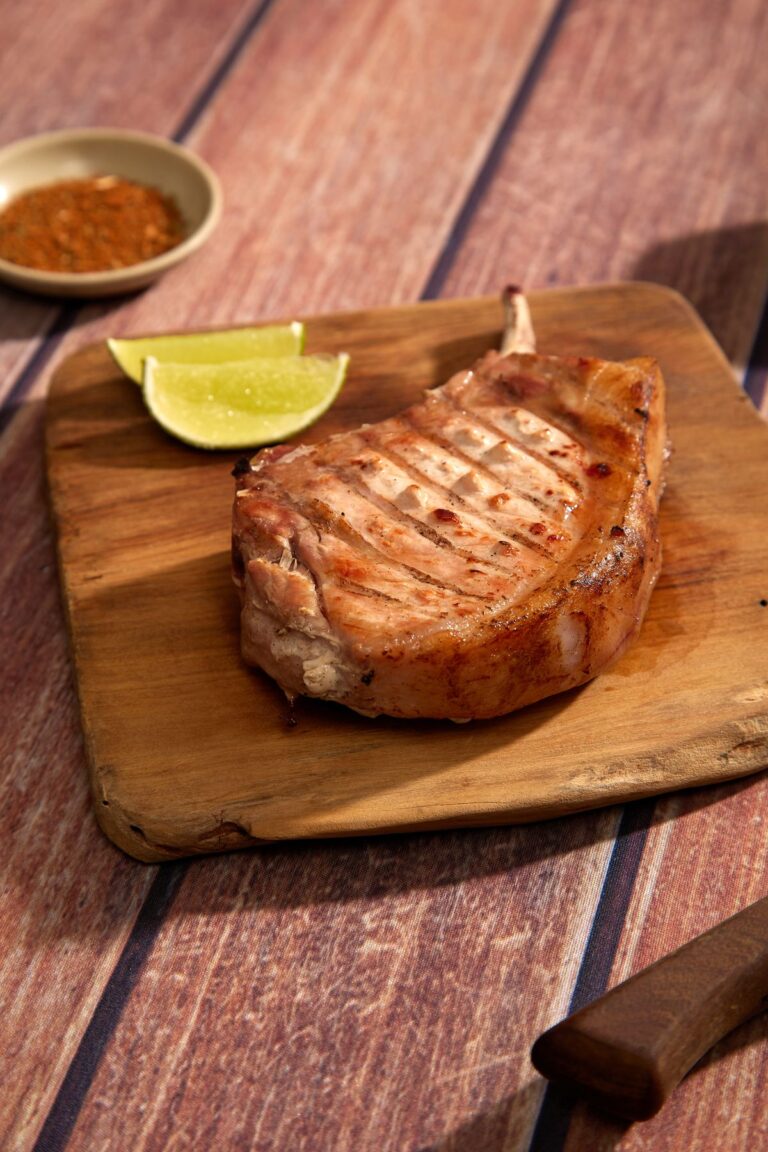
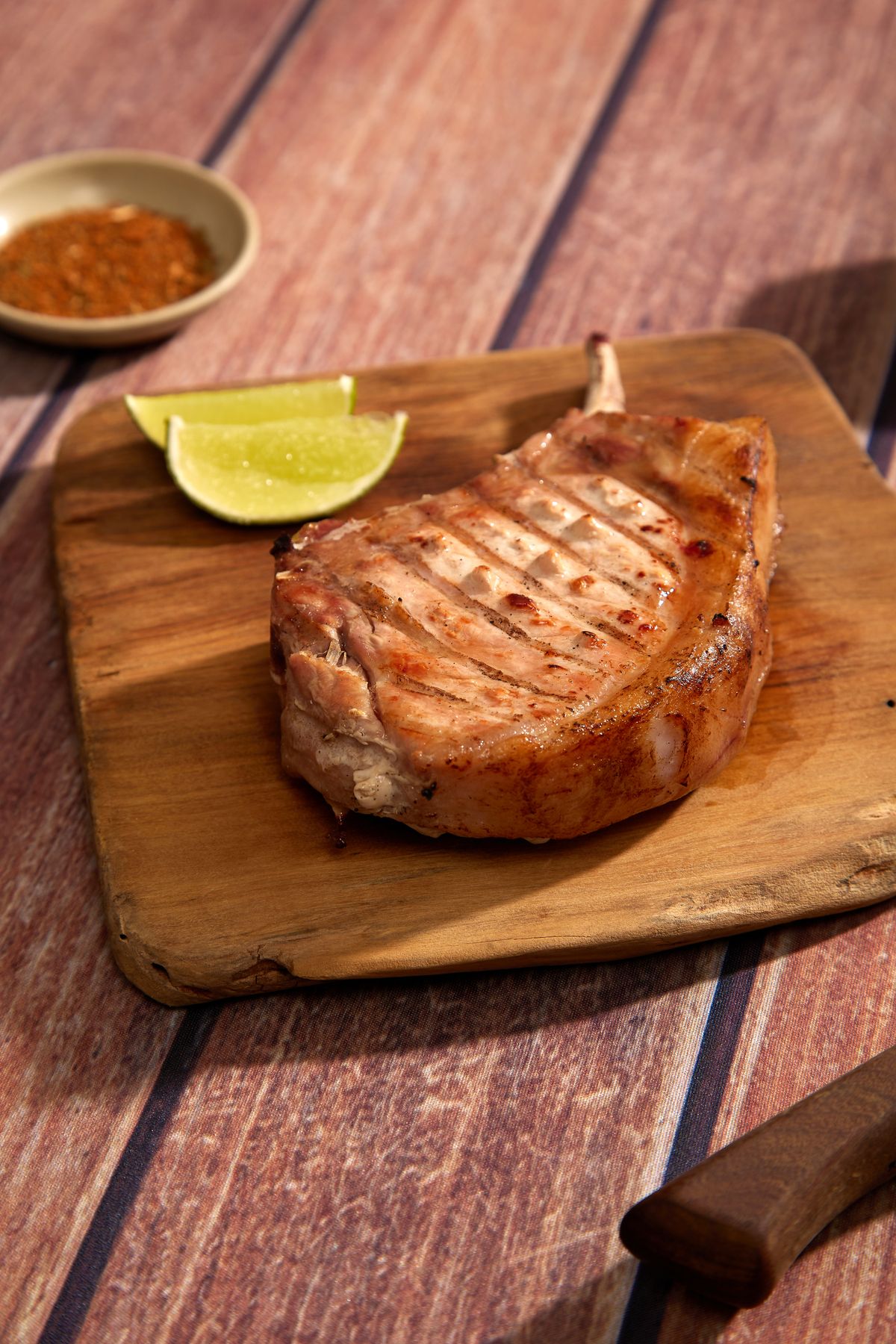
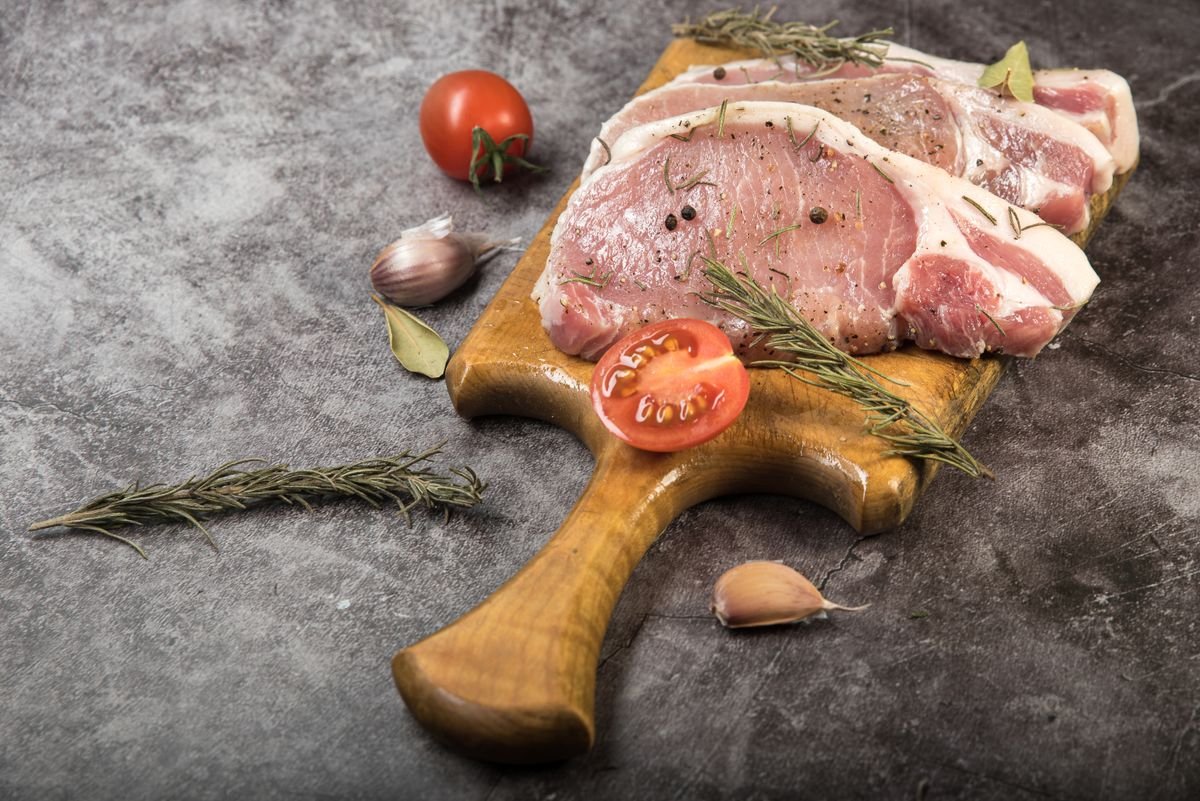
Pork chops earned their dry reputation honestly, because most of us were taught to cook them until any pink was gone. That habit ruins a good chop. Modern pork is safe at 145F, which leaves the center juicy and faintly rosy. We sear ours hard in cast iron, baste them in butter, and pull them the moment the thermometer says so. The rest of the magic is a 30 minute salt before cooking. Reach for thick, bone-in chops from pasture-raised hogs. They hold heat better and give you a wider window before they overcook.
Why this recipe works
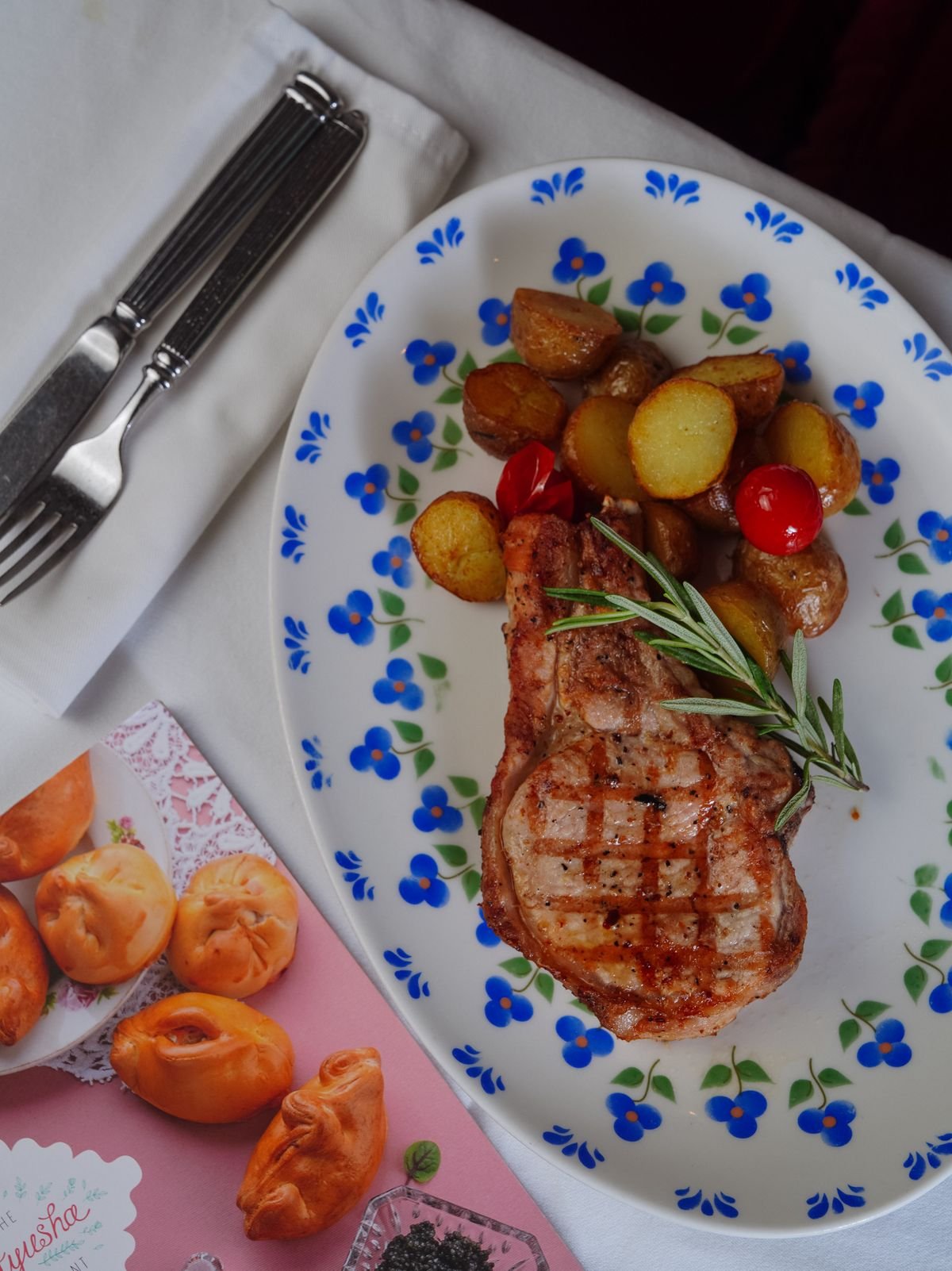
- A hot cast iron pan builds a deep brown crust in minutes, and that crust is where most of the flavor lives.
- Pulling at 145F keeps the meat juicy. Every degree past that squeezes out moisture.
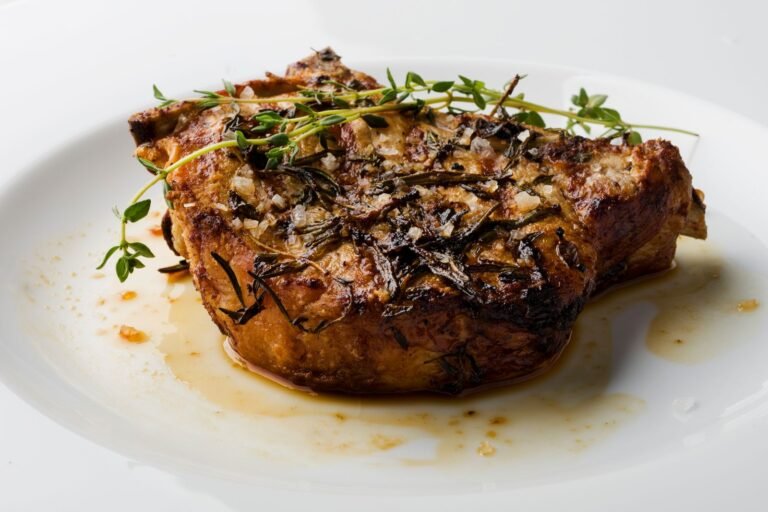
- Basting with butter, garlic, and thyme layers flavor onto the surface and helps the chop cook evenly.
- A short salt before cooking seasons the meat all the way through and helps it hold water.
Ingredients
- 4 bone-in pork chops, about 1 inch thick
- 1 teaspoon kosher salt, plus more for the pre-salt
- 0.5 teaspoon black pepper, freshly ground
- 1 tablespoon neutral oil (grapeseed or avocado)
- 2 tablespoons unsalted butter
- 3 cloves garlic, smashed
- 2 sprigs fresh thyme
Substitutions: rosemary or sage stand in for thyme. Boneless chops work but cook faster, so start checking a minute early. If you only have thin chops, skip the basting and sear them fast and hot.
How to make it
- Salt and temper. Salt the chops on both sides and leave them out for 30 minutes. This seasons the meat and takes the fridge chill off, so they cook evenly.
- Dry and season. Pat the chops very dry with a towel, then add the pepper. A dry surface is the difference between a brown crust and a gray steam.
- Sear hard. Heat the oil in a cast iron skillet over medium-high until it shimmers. Lay the chops down away from you and leave them alone for 3 to 4 minutes, until a golden crust forms. Flip and sear the second side for another 3 minutes.
- Baste with butter. Add the butter, garlic, and thyme. Tilt the pan and spoon the foaming butter over the chops for about a minute, which carries the herb flavor into the crust.
- Pull and rest. Pull the chops when a thermometer reads 145F at the center, staying off the bone. Rest them 5 minutes so the juices settle before you cut in.
Pro tips and common mistakes
- Buy thick chops, at least 1 inch. Thin chops go from raw to overdone in seconds and give you no room for error.
- For very thick chops, reverse-sear instead: warm them in a low oven to 130F, then sear to finish. It keeps the center even.
- We cook in cast iron with metal or wood tools, never nonstick or plastic, so nothing melts or sheds into the butter.
- Do not crowd the pan. Two chops at a time hold the heat better than four crammed together.
- Let the crust release on its own. If a chop sticks, it is not ready to flip yet.
Storage and leftovers
Cooked chops keep for up to 3 days in the fridge in an airtight container. To reheat without drying them out, slice the meat off the bone and warm it gently in a low oven at 275F, or lay the slices over a hot grain bowl and let the residual heat do the work. Cold leftover pork is excellent sliced thin into a sandwich with mustard and pickles. We do not recommend freezing cooked chops, since lean pork turns dry on the thaw.
What to serve with it
- Applesauce or a quick apple compote, a classic partner for pork.
- Buttered mashed potatoes or soft polenta.
- Roasted Brussels sprouts or a bitter green salad.
- A crisp cider or a light red wine.
Nutrition
About 320 calories, 34g protein, 20g fat, and 1g carbs per serving. These are estimates and vary with the exact cut, trim, and any substitutions.
FAQ
What temperature should pork chops reach?
Pull them at 145F and rest for a few minutes. That is the safe, juicy target for whole pork cuts, and the center will be faintly pink.
Should I brine pork chops?
A 30 minute salt, which is a dry brine, is enough for most chops and adds noticeable juiciness. A wet brine works too if you have the time.
Why do my chops curl in the pan?
The fat band on the edge tightens as it heats. Cut two or three small notches through that band before cooking and the chop stays flat.
Bone-in or boneless?
Bone-in chops cook more evenly and stay juicier. Boneless work but need a closer eye since they cook faster.
How do I know when to flip?
When a deep crust has formed and the chop releases from the pan on its own, usually after 3 to 4 minutes. If it sticks, give it another moment.
Where to buy the pork
A great chop starts with great pork. We look for thick, bone-in chops from pasture-raised hogs. Use our Find a Farmer directory to find pork chops from a farm near you.
Learn more about the cut in our guide to pork chops and our full guide to pork. For another approach, try our sous vide pork chops, and for a bigger cut see our crispy roast pork belly. New to searing? Read our guide to cooking meat by every method.
How to choose the best pork chops
Not every chop cooks the same. The rib chops, cut from the front of the loin, carry a little more fat and stay forgiving. Center-cut loin chops are leaner and cook fast, so they reward a close eye on the thermometer. The sirloin chops from the hip end have more connective tissue and do better with a slower method. Whatever you choose, look for firm, pink meat with white, not yellow, fat, and ask your butcher to cut them at least 1 inch thick. Thickness is your friend here, since a thick chop gives you time to build a crust before the center overcooks. Color matters too. Pasture-raised pork runs a deeper rose than commodity pork, and it holds its juices better under high heat.