Slow Cooked Pork and Porcini Ragu with Pappardelle
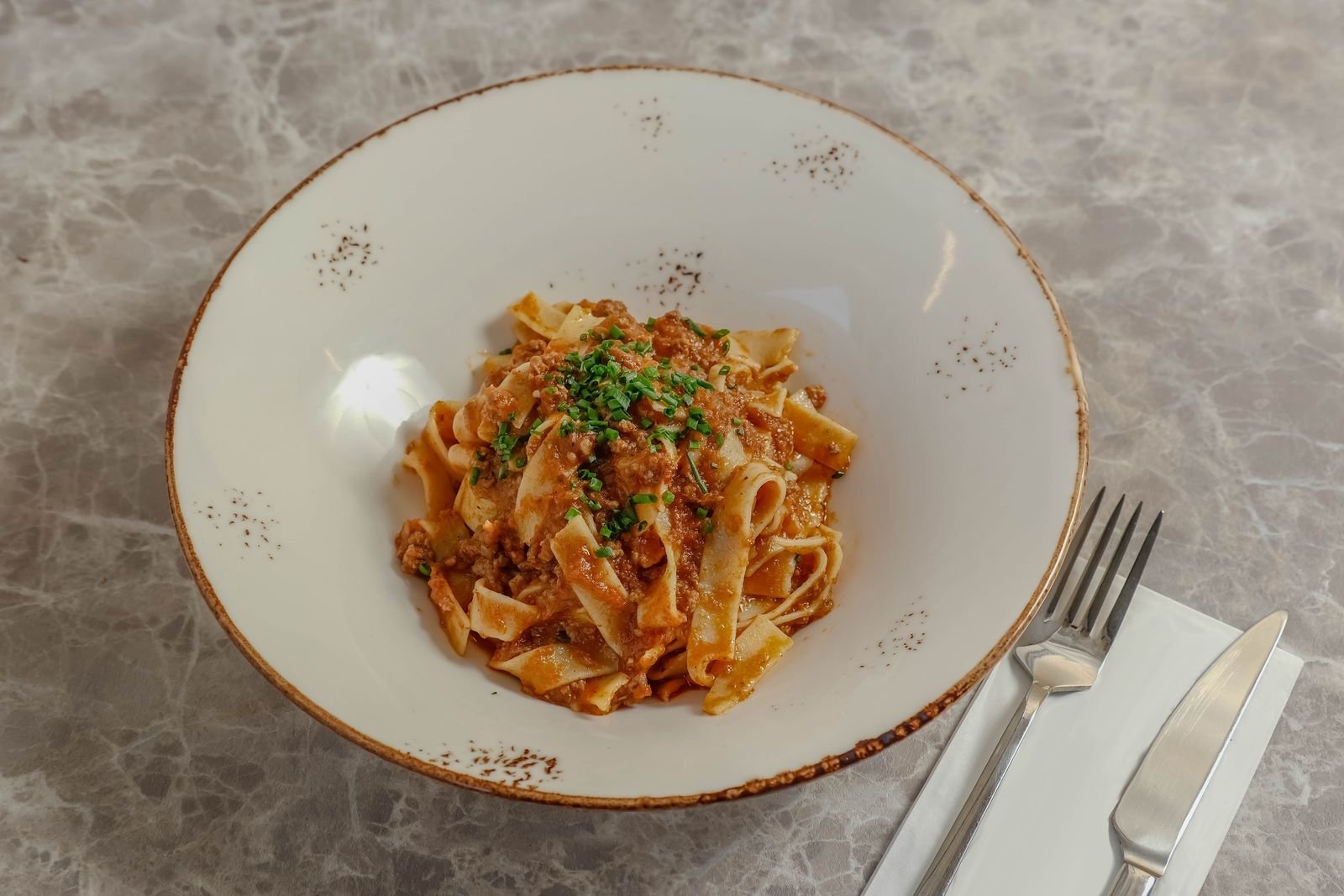
A ragu is not a meat sauce with the volume turned up. It is a braise that happens to end up on pasta, and the difference shows in how you treat the pork. We cut shoulder into two inch chunks rather than grinding it, brown them properly, then let them fall apart over three hours. Ground pork gives you a uniform sauce. Chunks give you strands and shreds that catch in the pasta ribbons, which is the whole reason to use pappardelle.
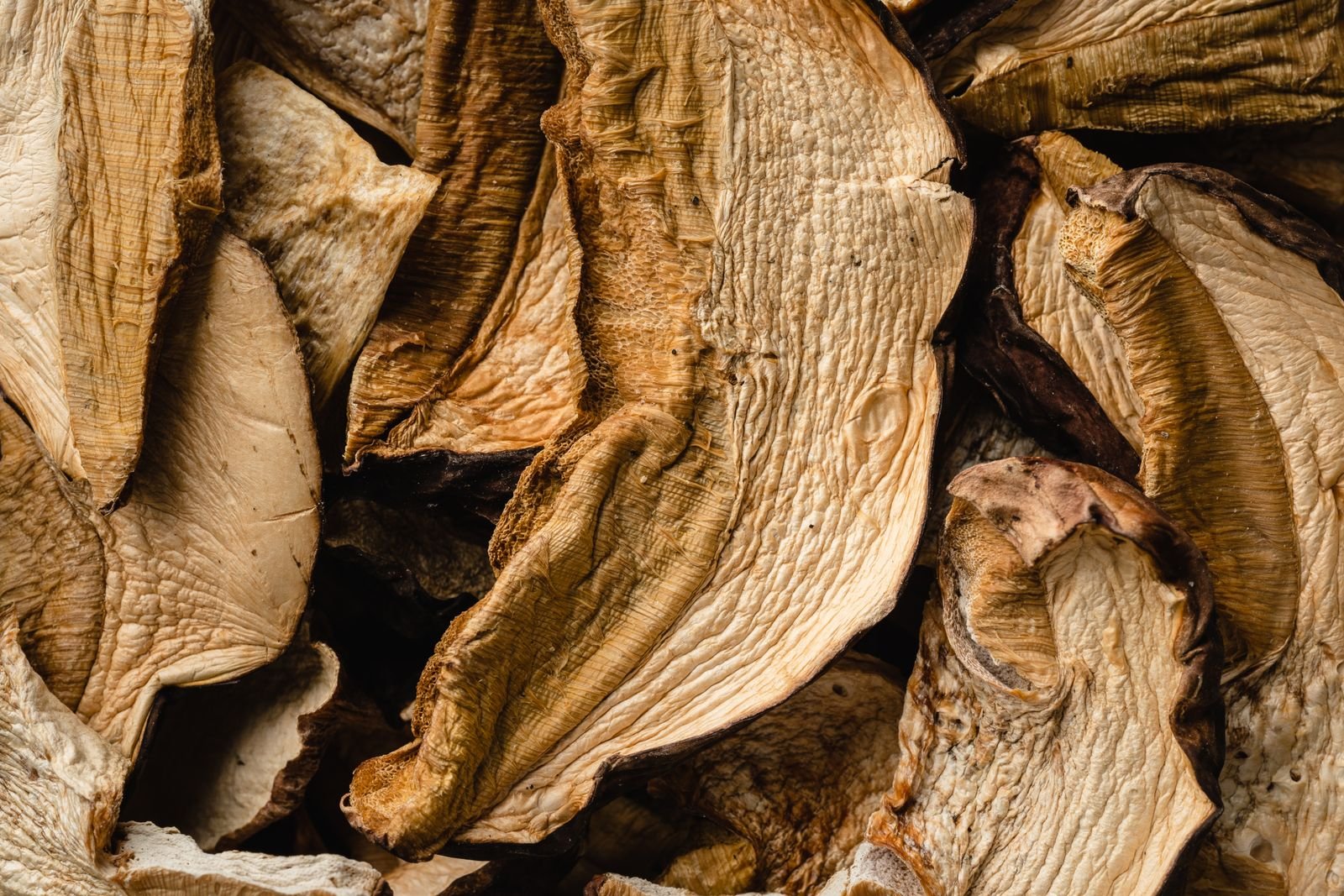
Porcini do the heavy lifting on flavor. An ounce of dried mushrooms soaked in hot water yields both chopped mushrooms and a cup and a half of dark, savory liquid, and that liquid goes into the pot in place of stock. It is the cheapest way we know to make a sauce taste like it simmered twice as long as it did.
Buy Boston butt rather than a lean loin roast. The fat and connective tissue are what turn into the silky texture in the finished sauce, and a lean cut will simply go dry and stringy over three hours.
Why this pork and porcini ragu works
- Chunks, not ground pork. Shredded strands catch in wide pasta. Ground meat settles to the bottom of the bowl.
- Porcini liquid instead of stock. Concentrated savory depth with no simmering of bones required.
- Pancetta under the soffritto. Its rendered fat seasons the onion, carrot and celery from the start rather than arriving as a topping.
- Hand crushed tomatoes. Whole tomatoes broken up by hand leave texture. Blended or pureed tomatoes make a smooth sauce that tastes thinner than it is.
- Finished in the pan with pasta water. The starch in that water is what makes the sauce cling instead of sliding off.
Ingredients
For the ragu
- 3 lb boneless pork shoulder (1.35 kg), Boston butt, cut into 2 inch chunks
- 1 oz dried porcini (28 g)
- 1 1/2 cups hot water (360 ml) for soaking
- 2 tbsp olive oil
- 4 oz pancetta (115 g), diced small
- 1 onion, 1 carrot and 1 celery rib, all diced fine
- 4 garlic cloves, minced
- 2 tbsp tomato paste
- 1 cup dry red wine (240 ml)
- 28 oz canned whole peeled tomatoes (800 g), crushed by hand
- 2 bay leaves, 3 sage leaves, 1 rosemary sprig
- 1 Parmesan rind, optional but worth keeping one in the freezer for this
- 2 tsp kosher salt, black pepper to taste
To serve
- 1 lb pappardelle (450 g), fresh or dried
- 3 tbsp cold butter
- 1 cup finely grated Parmesan (90 g), plus more at the table
Substitutions: dried shiitake work in place of porcini and give a smokier result. Bacon stands in for pancetta, though it brings smoke the dish does not otherwise have. For an alcohol free version, use an extra 1/2 cup of the porcini liquid plus 1 tbsp red wine vinegar.
Method
- Soak the porcini. Cover them with the hot water and leave 20 minutes. Lift them out, chop them, and keep the liquid, pouring it off the grit that settles or straining it through a cloth.
- Brown the pork. Salt the chunks. Heat the olive oil in a Dutch oven over medium high and sear in two or three batches, about 3 minutes a side, until deeply browned. Crowding the pot is how pork ends up grey, so give the pieces room. Set them aside.
- Render the pancetta. Lower the heat to medium and cook the pancetta in the same pot 5 minutes, until its fat has run and the pieces are just turning golden.
- Cook the soffritto. Add the onion, carrot and celery and cook 12 minutes, stirring, until soft and beginning to color. This is the base of the whole sauce and rushing it costs you more than the time you save. Garlic for the last minute.
- Darken the tomato paste. Stir it in and cook 2 minutes, until it turns from bright red to brick.
- Deglaze. Pour in the red wine, scrape the bottom of the pot clean, and simmer 4 minutes until reduced by half.
- Build and braise. Return the pork with its juices. Add the crushed tomatoes, chopped porcini, the strained soaking liquid, herbs, Parmesan rind and salt. Bring to a bare simmer, cover, and cook at 300F (150C) for 3 hours.
- Check and shred. The pork should collapse under a fork and read 195 to 203F (90 to 95C). Lift the chunks out, pull them into coarse shreds with two forks, and return them to the pot. Fish out the bay, rosemary stem and rind.
- Reduce. Simmer uncovered 15 to 20 minutes, until the sauce is thick enough that a spoon dragged through it leaves a channel. Taste for salt now, not before.
- Cook the pasta. Boil the pappardelle in well salted water until just short of al dente, about 2 minutes less than the box says. Reserve 2 cups of the water before draining.
- Finish together. Add the drained pasta to the ragu with the butter and a cup of pasta water. Toss hard over medium heat 2 minutes, adding more water as needed, until the sauce coats every ribbon. Off the heat, fold in the Parmesan.
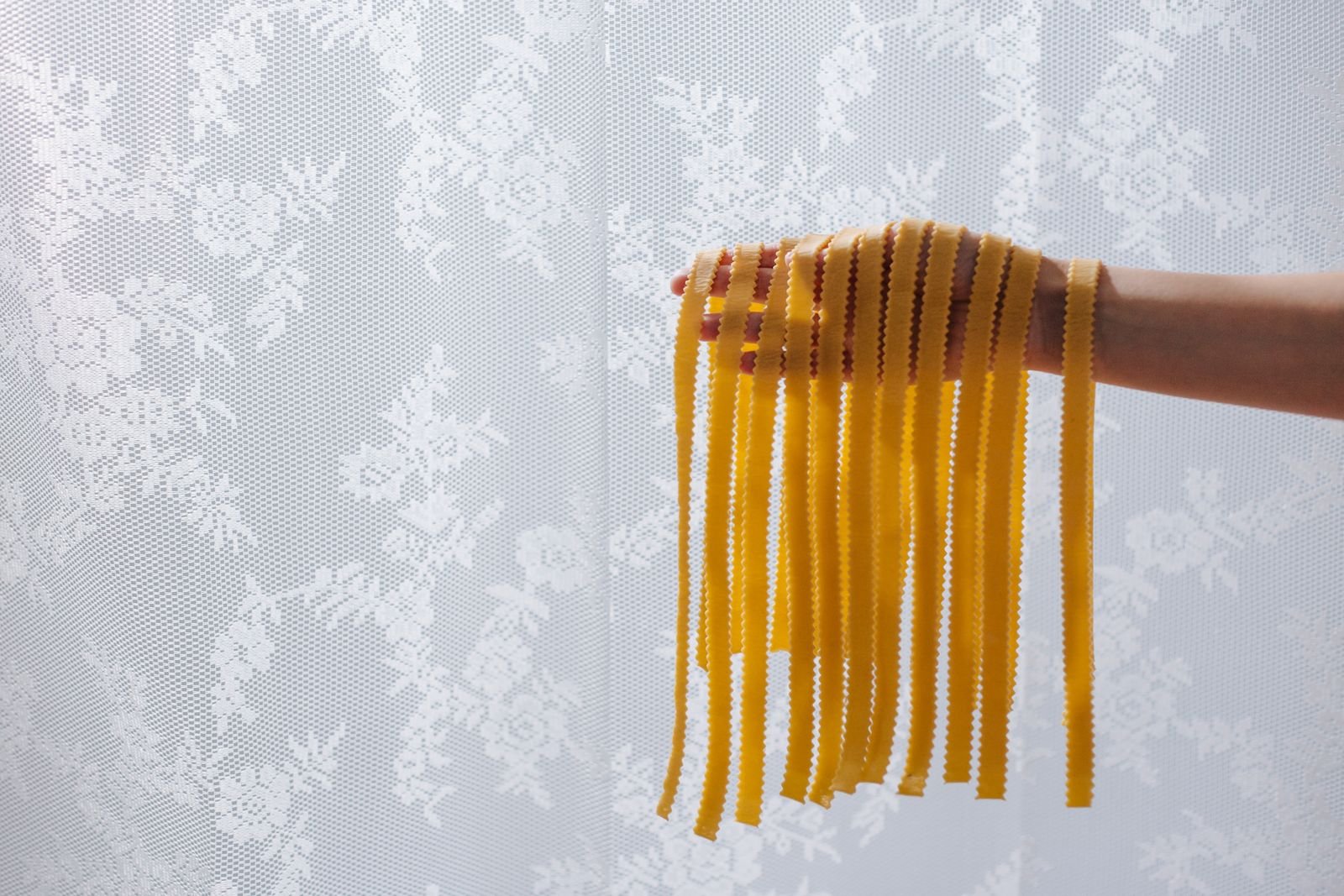
Pro tips and common mistakes
- Do not finish the pasta in a bowl. Sauce ladled on top sits there. Two minutes of tossing in the pan with starchy water is what binds them.
- Undersalt until the end. Three hours of reduction concentrates everything, including the Parmesan rind and the pancetta.
- Keep the porcini liquid. Pouring it down the sink is the single most common way to make this sauce ordinary.
- Use a wooden spoon in a heavy pot. We use an enameled Dutch oven and a wooden spoon, and we keep plastic utensils away from a pot that sits at 300F for three hours.
- Shred coarsely. Pulled into fine threads, the pork disappears into the sauce and you lose the texture you cut chunks for in the first place.
Storage and leftovers
The ragu alone keeps 4 days refrigerated and is better on day two. Store it separately from any cooked pasta, which turns soft overnight. Reheat gently with a splash of water, since it tightens considerably when cold.
It freezes 3 months, and freezing it in single portions turns a three hour Sunday into a fifteen minute Tuesday. Leftover ragu is also excellent spread into a baked pasta with bechamel, or spooned over soft polenta with more Parmesan.
What to serve with it
- A sharp green salad with red wine vinegar, served after the pasta rather than alongside.
- Soft polenta instead of pasta, which suits the sauce just as well.
- Roasted broccolini with chili and lemon.
- The same red wine that went into the pot.
Nutrition
About 910 calories, 60g protein, 45g fat, and 68g carbs per serving. These are estimates and vary with the exact cut, trim, and any substitutions.
Frequently asked questions
Can I use ground pork instead?
You can, and it will be a good sauce, but it will not be this one. Ground pork cooks in about 45 minutes and gives a uniform texture. Chunks give shreds that catch in wide pasta.
What if I cannot find pappardelle?
Any wide or ridged shape works. Tagliatelle, rigatoni and paccheri all hold this sauce. Thin strands like spaghetti are the wrong choice, since the shreds slide off them.
Do I have to use dried porcini?
They are the hero here, so we would not skip them. If you must, use 8 oz of fresh cremini browned hard plus 1 1/2 cups of strong beef stock and 1 tsp soy sauce in place of the soaking liquid.
Can I make this in a slow cooker?
Brown the pork and build the soffritto in a pan first, then cook 7 to 8 hours on low. Finish the uncovered reduction on the stove, because a slow cooker adds water rather than driving it off.
Why is my sauce greasy?
Pork shoulder renders a lot of fat and it collects on the surface during the braise. Skim it before you reduce, or refrigerate the ragu overnight and lift the set fat off cold.
Where to buy the pork
Ask for Boston butt, bone in or boneless, from a pig raised outdoors. Pasture raised pork carries more fat and that fat has more flavor, which matters over a three hour braise more than it does on a quick chop. Find a producer near you through our Find a Farmer directory.
More on the cut in our Boston butt guide and on the animal in the pork wiki. The technique is covered in our guide to braising. More pork: slow cooker pulled pork and crispy roast pork belly.