Steak au Poivre with Green Peppercorn Brine
Most steak au poivre recipes tell you to crush the peppercorns and press them on. Then they leave the dust in. That powder burns before the steak is done, which is why so many home versions taste harsh. Sift it out and the crust turns nutty.
The other common miss is doneness. “4 minutes per side” only works if your steak matches the writer’s. We give you a pull temperature instead, plus the carryover to expect during the rest.
Our version adds one thing. Green peppercorns in brine go into the cream sauce, crushed, along with a teaspoon of their brine. The brine brings a salty, sour edge that cuts the cream like lemon would. Still a bistro steak. Just brighter.
Why this recipe works
- Sifted pepper. Coarse pieces toast; dust scorches.
- A real pull temperature. 125F in the center, then a 5 minute rest, lands a 1.25 inch steak at medium rare every time.
- Green peppercorn brine. A teaspoon of brine adds acid and salt, so the sauce needs no lemon and less Dijon.
- Flambe made optional and safe. The cognac goes in off the heat from a measuring cup.
Which cut to buy for steak au poivre
Buy a boneless strip steak, 1.25 inches (3 cm) thick, cut from the beef strip loin. It has the fat and bite to carry a heavy crust and cream sauce, and one 14 oz steak feeds two.
Filet mignon from the beef tenderloin is the classic restaurant choice. It is milder, so the pepper leads. Pull it at the same 125F. Ribeye from the ribeye roll works, though its fat pockets can make the sauce greasy. Strip and filet both come from the beef loin primal.
Avoid thin steaks under 1 inch. They hit 125F before the pepper toasts.
Ingredients
For the steaks
- 2 boneless strip steaks, 1.25 inches thick, about 14 oz (400 g) each
- 1 1/2 teaspoons (9 g) kosher salt
- 1 1/2 tablespoons (10 g) whole black peppercorns
- 1 tablespoon (15 ml) neutral oil with a high smoke point
For the sauce
- 3 tablespoons (42 g) unsalted butter, divided
- 1 medium shallot, finely chopped, about 1/4 cup (40 g)
- 1/3 cup (80 ml) cognac or brandy
- 3/4 cup (180 ml) heavy cream
- 1/2 cup (120 ml) beef stock
- 1 teaspoon (5 g) Dijon mustard
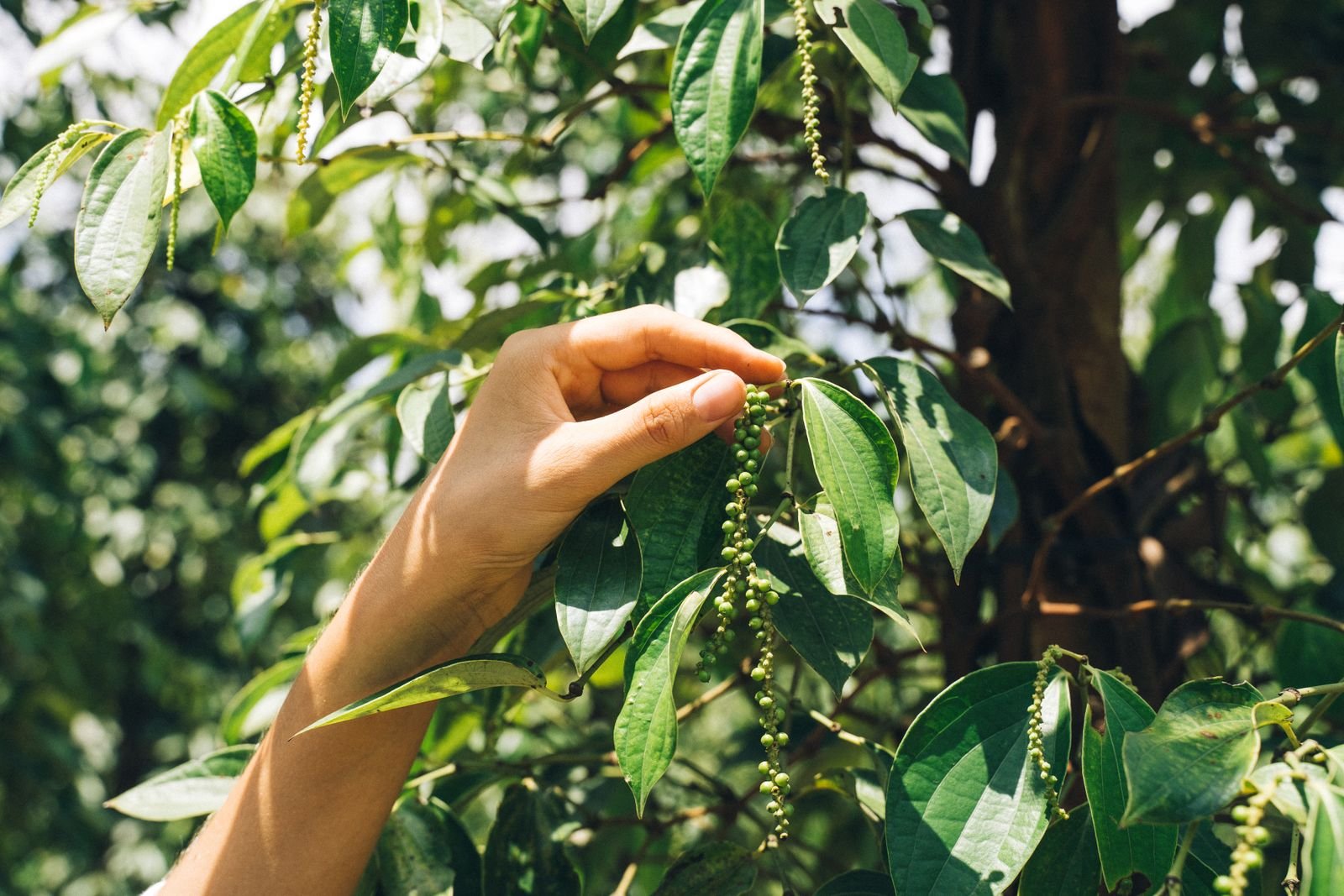
- 1 tablespoon (8 g) green peppercorns in brine, drained and lightly crushed
- 1 teaspoon (5 ml) brine from the green peppercorn jar
Substitutions: brandy or armagnac replaces cognac one for one. No brined green peppercorns: use 1 teaspoon capers plus 1/2 teaspoon of their brine. Half and half splits at a boil, so stick with heavy cream.
Method
1. Crack and sift the pepper
Crush the black peppercorns in a mortar, or spread them on a wooden board and roll the base of a heavy skillet over them until most are split into quarters. Shake them in a fine metal sieve to remove the dust, which scorches in the pan.
2. Salt and crust the steaks
Pat the steaks dry and salt them on all sides. Press the pepper into both flat faces, leaving the edges bare. Rest 20 minutes; the salt draws out moisture that glues the crust on.
3. Sear to 125F
Heat the oil in a heavy skillet over medium high until it shimmers. Sear the steaks 3 to 4 minutes, until the crust releases, then flip once. Hold strips on their edge for a minute to render the fat cap. Pull at 125F for medium rare. Our pan searing guide covers heat control in more detail.
4. Rest and start the sauce
Rest the steaks on a warm plate for 5 minutes; the center climbs about 5F to 130F. Pour off all but a teaspoon of fat, lower the heat and cook the shallot in 1 tablespoon of butter for 2 minutes, scraping the fond with a wooden spoon.
5. Flambe the cognac off the heat
Take the skillet off the burner and pour in the cognac from a measuring cup. Light it with a long match if you like. Return to medium heat and reduce until syrupy, about 1 minute.
6. Finish with cream and green peppercorns
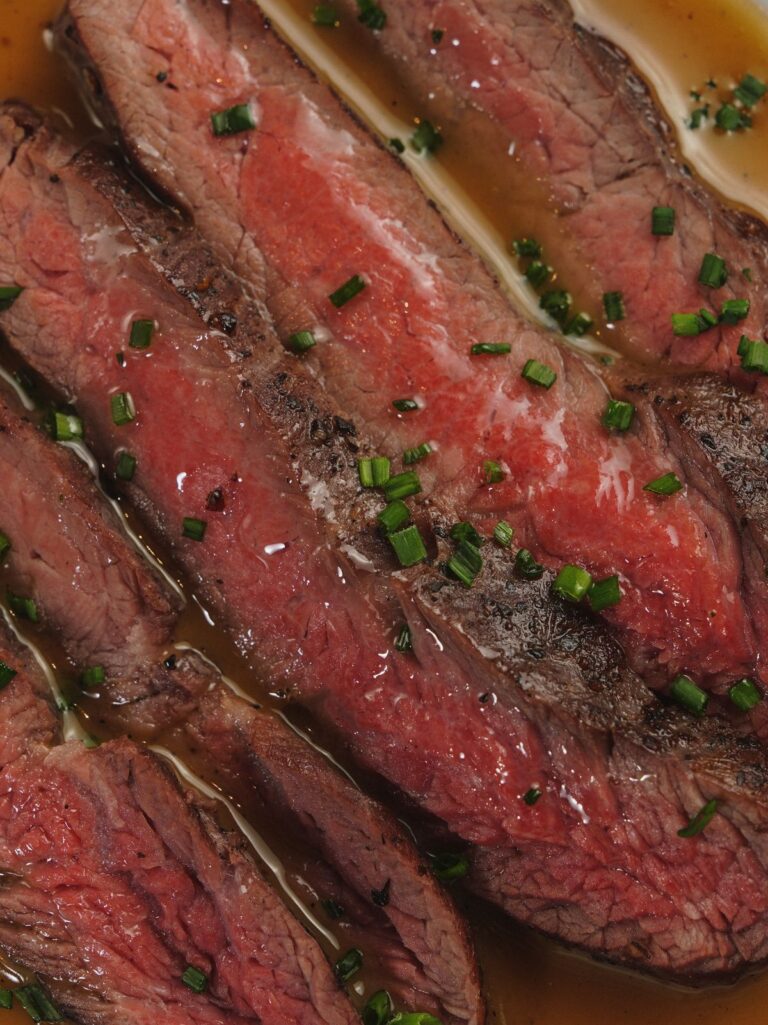
Add the cream, stock, Dijon and the crushed green peppercorns with their teaspoon of brine. Simmer 2 to 3 minutes until it coats a spoon. Add the resting juices, then swirl in the remaining butter off the heat.
7. Slice and serve
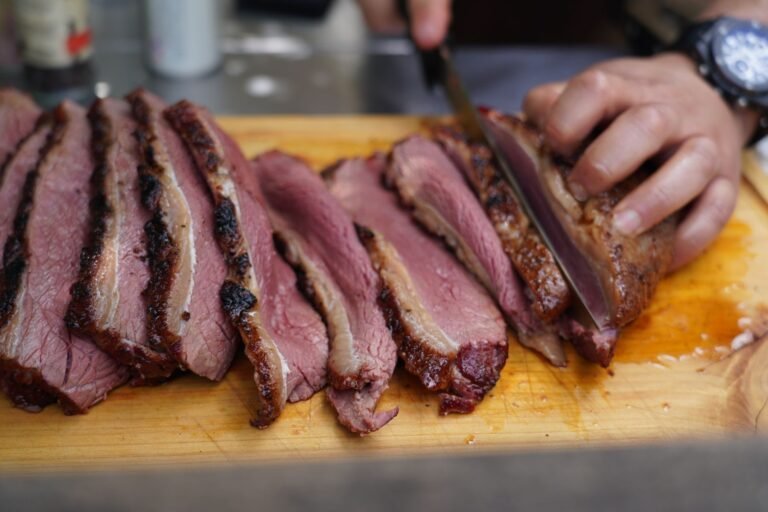
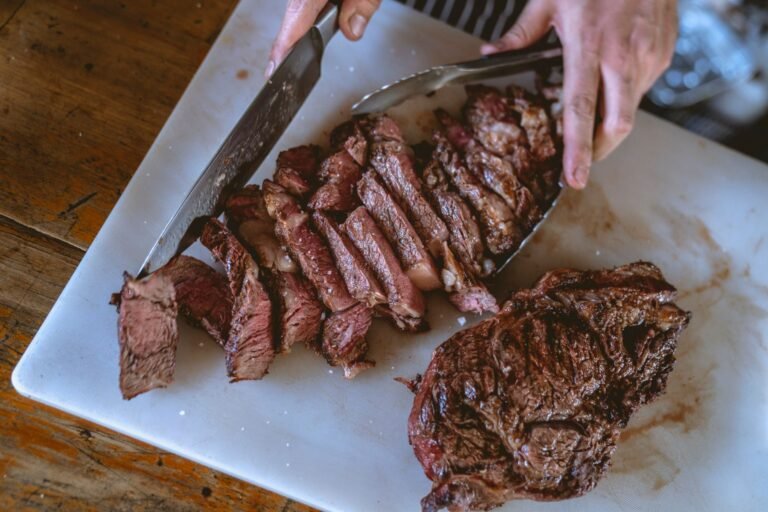
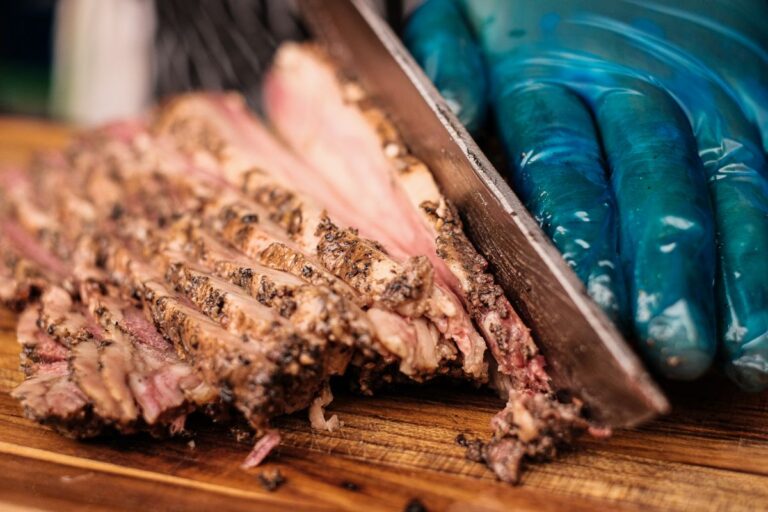
Slice strips across the grain; serve filets whole. Spoon the sauce over and eat before the crust softens.
Crack the pepper coarse, then sift out the dust
Pre ground pepper fails here, and a mill on its coarsest setting still makes too much powder. You want pieces the size of a split lentil. A stone or wooden mortar does it in a minute. No mortar: rock the base of a heavy skillet over the peppercorns on a wooden board. We skip the plastic bag many recipes use. You do not need it.
Then sift. Shake the crushed pepper in a fine metal sieve over a bowl. About a quarter falls through as dust. That fraction burns first and causes the ashy note people blame on “too much pepper.” The coarse pieces left behind toast in the fat and taste floral.
Flambe safely, or skip it
Lighting the cognac is theater. It burns off some alcohol, but a hard simmer does the same job, so treat the flame as a choice.
If you do it, take the pan off the burner before the cognac goes in; on gas, the vapor can catch and flare toward your sleeve. Measure the cognac into a cup first. Never pour from the bottle, because flame can travel up the stream. Turn off the hood fan, which pulls flame upward. Light it at the pan’s edge with a long match, keep your face back and let it burn out. Keep a lid nearby to smother it.
To skip the flame, add the cognac off the heat, return the pan to medium and simmer for about 60 seconds until it is syrupy and no longer smells sharp.
Grass fed strip and the pan you cook in
Grass fed strip steaks carry less intramuscular fat and a thinner fat cap. They cook faster, so check a minute earlier and still pull at 125F. With less fat to render, use the full tablespoon of oil. The mineral flavor suits the brine.
For the pan, stainless steel and cast iron both sear well, but they behave differently once the sauce starts. Stainless shows you the fond and does not mind acid. Cast iron holds heat for a darker crust, but the fond hides on the black surface and a long acidic simmer can taste metallic. Our Lodge is fine here because the sauce cooks under 5 minutes. See our cast iron skillet picks if you are shopping.
Pro tips and common mistakes
- Leave the edges bare. Pepper on the fat cap burns while it renders.
- Do not crowd the pan. Two strips fit a 12 inch skillet.
- Use a thermometer. Our thermometer guide covers what we use, and the Thermapen reads in about 2 seconds.
- Add resting juices last. They carry beef flavor and loosen the sauce.
Troubleshooting
Symptom: The pepper crust fell off when you flipped. Cause: The surface was wet, or you moved the steak before the crust set. Fix: Pat the steaks dry, give the salt 20 minutes and leave the steak alone until it releases on its own.
Symptom: The sauce tastes bitter or ashy. Cause: Pepper dust or scorched fond. Fix: Sift the pepper, and if the fond turns black rather than brown, wipe the pan and start the sauce with fresh butter.
Symptom: The sauce split and looks greasy. Cause: It boiled hard after the butter went in. Fix: Off the heat, whisk in a tablespoon of cream.
Storage and leftovers
Store sliced steak and sauce in separate glass containers in the fridge for up to 3 days. Reheat the sauce gently, then warm the slices in it off the heat so they stay medium rare. Do not freeze the cream sauce; it turns grainy.
What to serve with steak au poivre
- Thin cut French fries, the bistro default, for dragging through the sauce.
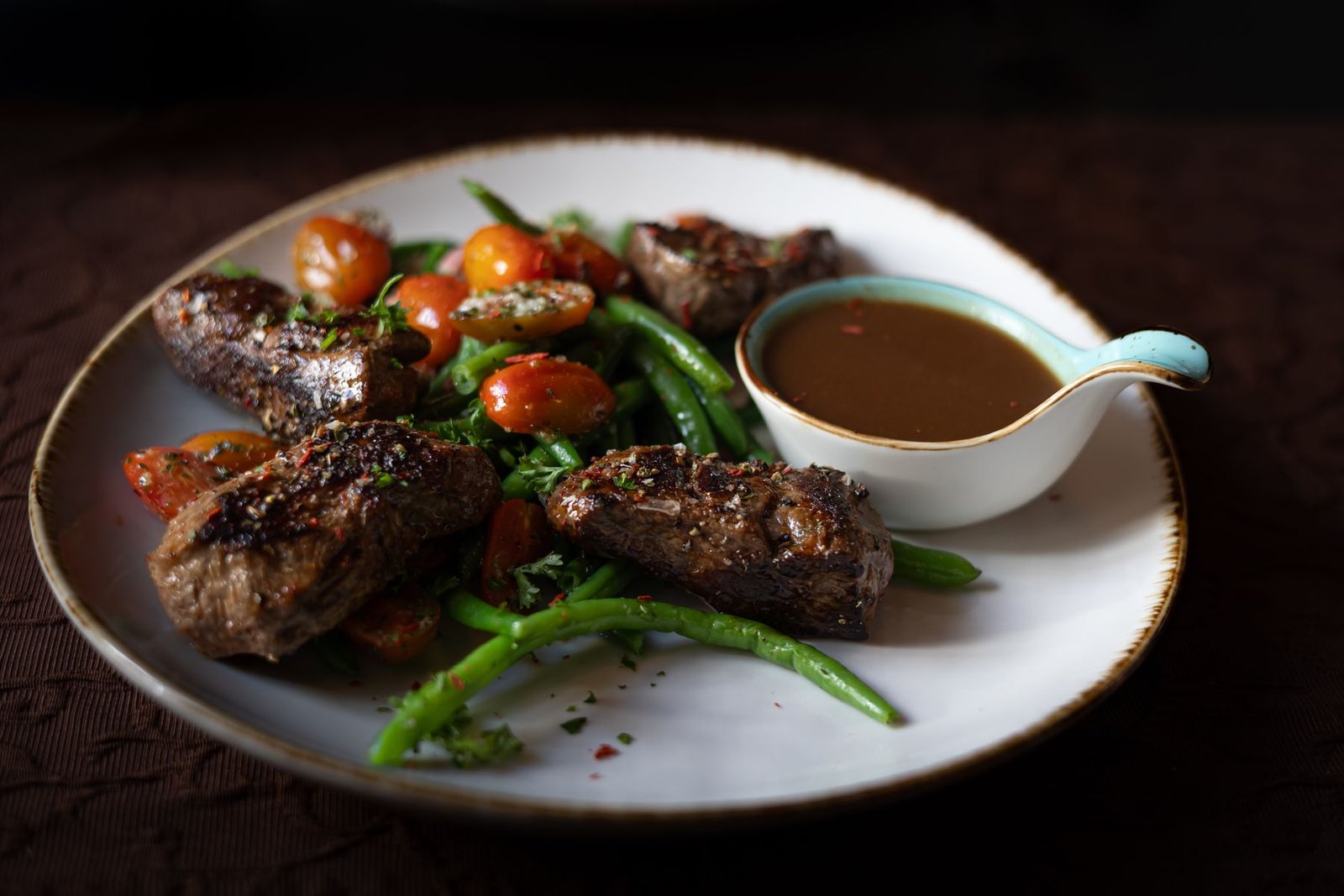
- Green beans with shallots, cooked while the steaks rest.
- A butter lettuce salad with a sharp mustard vinaigrette.
- Crusty bread, if you would rather skip the fries.
For a bigger occasion, our beef Wellington uses the same tenderloin, and the bison steak with porcini butter is another pan seared steak with a single bold addition.
Nutrition (estimate per serving, 4 servings): 690 calories, 44 g protein, 55 g fat, 5 g carbohydrate. Estimated from the ingredient list and yield, not a lab value.
Frequently asked questions
What internal temperature should steak au poivre reach?
Pull a 1.25 inch strip or filet at 125F for medium rare. Carryover adds about 5F during the rest. Pull at 133F for medium.
Do I have to flambe the cognac?
No. A 60 second simmer gives the same glaze. If you light it, take the pan off the heat and pour from a cup, never the bottle.
Why does my peppercorn crust taste bitter?
Fine pepper dust burns at searing heat. Sift the crushed pepper so only coarse pieces go on the steak.
Can I make steak au poivre without cream?
Yes. Swap the cream for 1/2 cup (120 ml) beef stock and finish with 2 extra tablespoons (28 g) of cold butter swirled in off the heat. The sauce is thinner and sharper.
What are green peppercorns in brine and where do I find them?
They are unripe peppercorns packed in salted water or vinegar, sold in small jars near the capers. An opened jar keeps for months in the fridge.
Where to buy the meat
Steak au poivre needs good beef strip steak or filet, cut thick. Ask a rancher for 1.25 inch strip steaks, and browse cuts on our beef hub. Use Find a Farmer to locate beef producers near you.