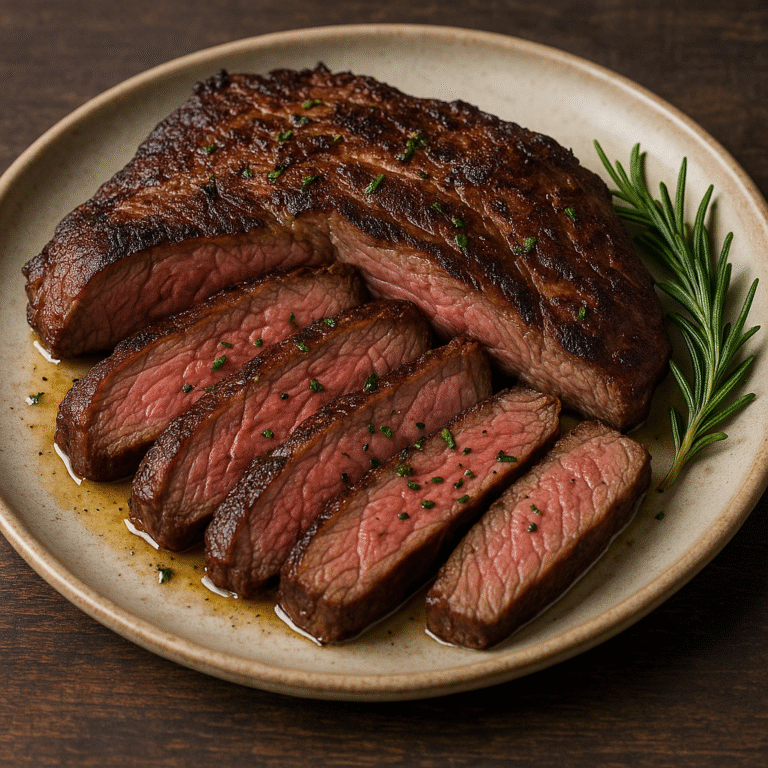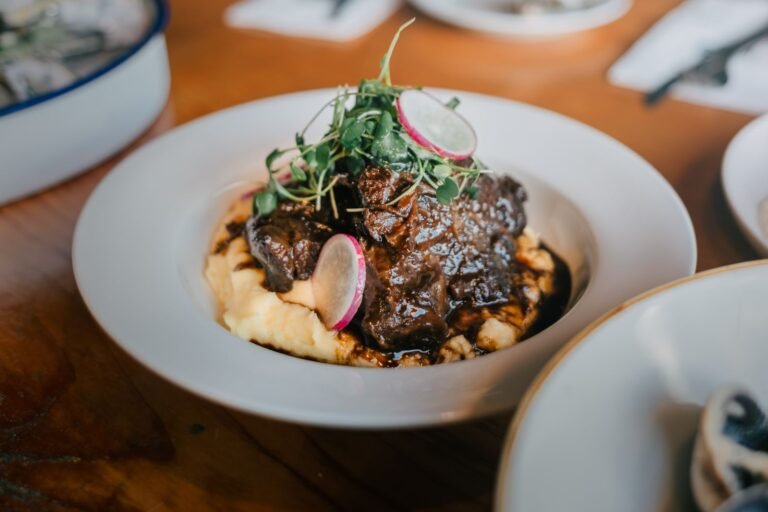
Smoked Beef Short Ribs with Gochujang Glaze Recipe
Gochujang short ribs are what happens when you give beef the low and slow treatment, then finish it with a glaze that is sweet, funky, and hot at once. We smoke bone-in beef short ribs until the meat pulls clean from the bone, then paint on a gochujang glaze that caramelizes into a sticky lacquer. Quick pickled onions cut the richness so every bite resets your palate.
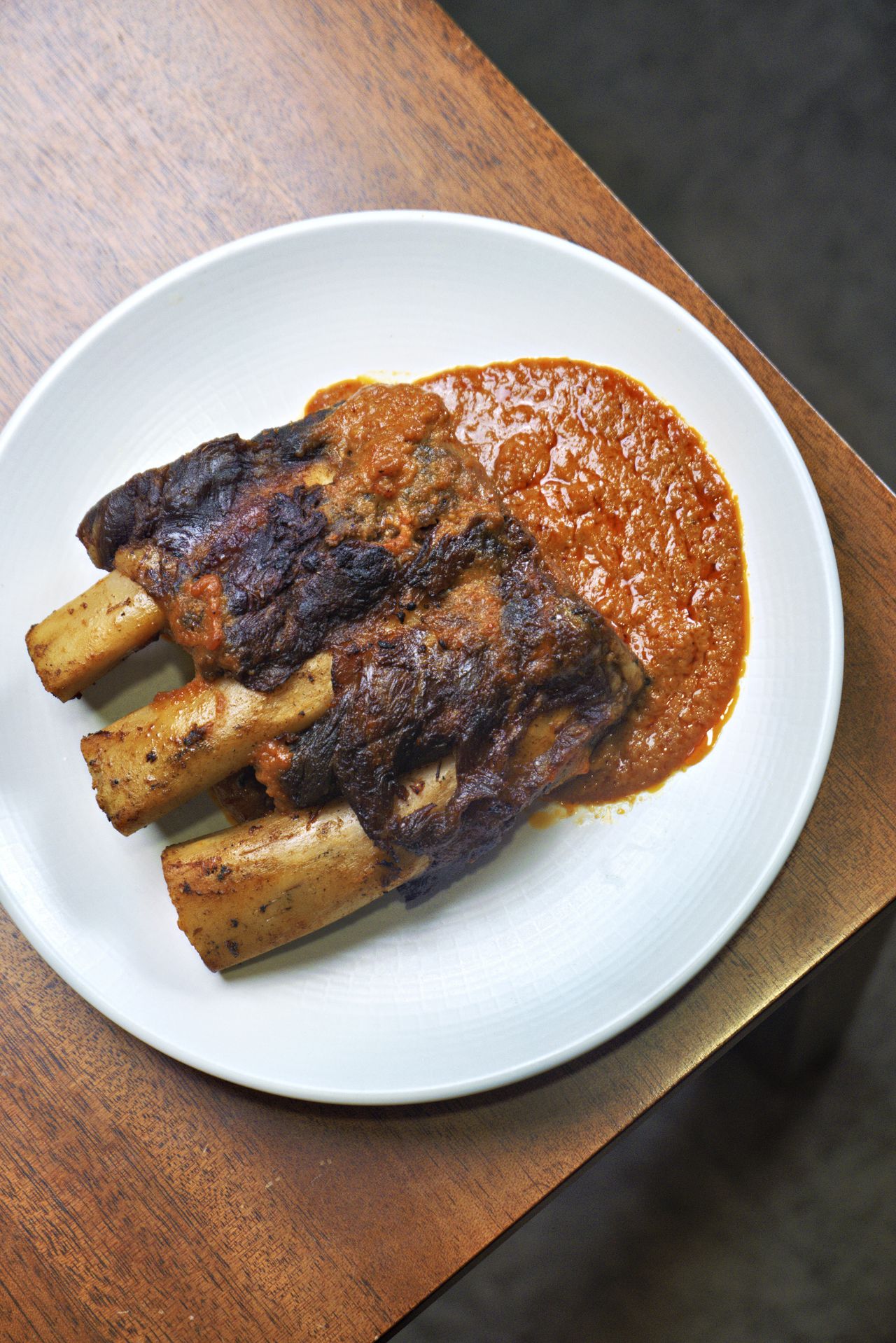
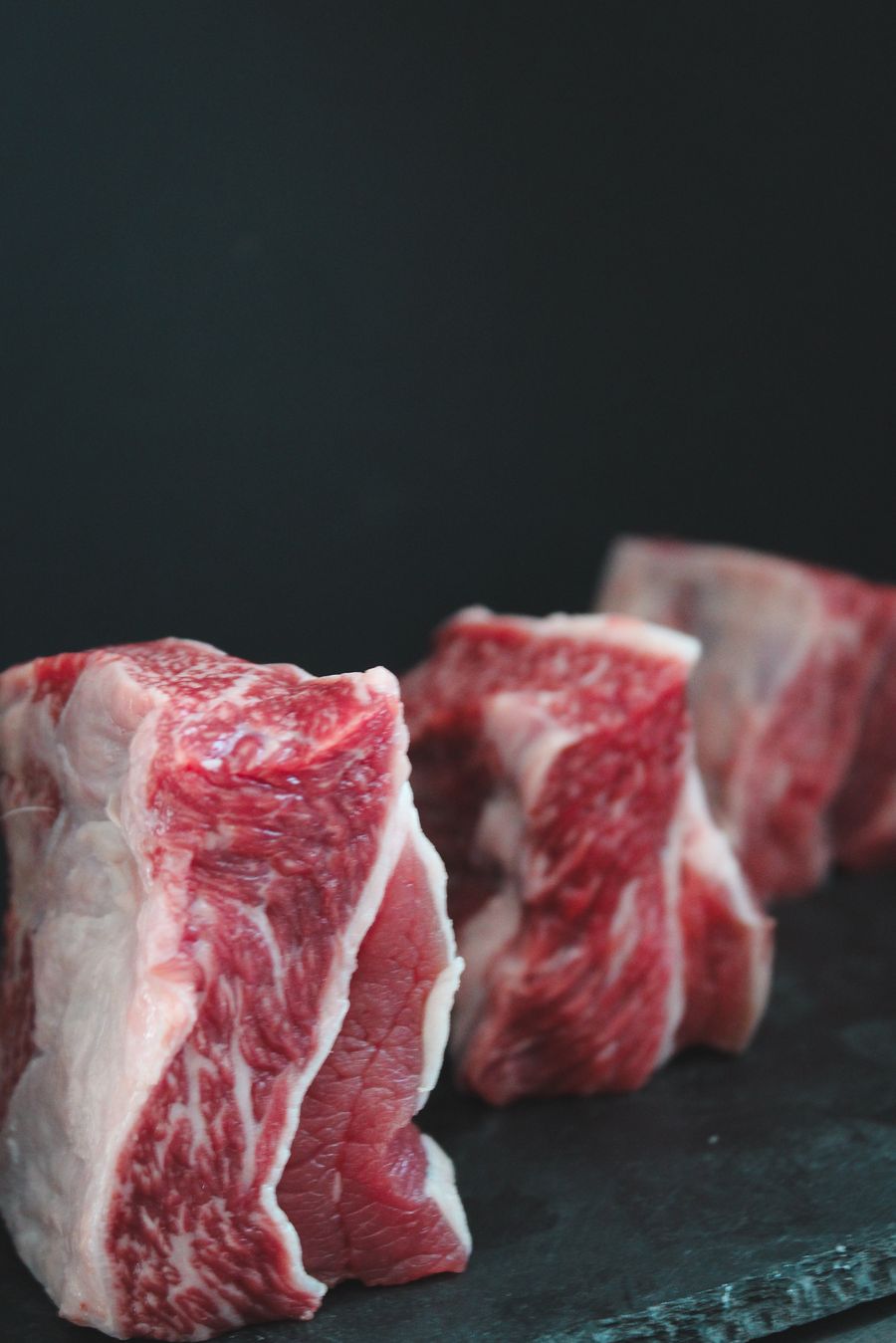
Short ribs reward patience. The cut carries fat and connective tissue that needs hours of gentle heat to turn silky, so this is a weekend cook, not a weeknight one. Here is the tip we lead with: buy the ribs thick and bone-in, ideally grass-fed or pasture-raised from a farm you trust, because a lean, thin rack dries out before the collagen ever breaks down. Get that right and the rest is mostly waiting. Want to understand the cut first? Read our guide to the beef short ribs subprimal.
Why this recipe works
- The long dry brine pulls surface moisture so smoke clings and a firm bark forms instead of a steamed gray crust.
- Cooking to feel, around 203F, melts the collagen into gelatin. That is what makes short ribs go from chewy to soft.
- Gochujang brings fermented depth and heat that stands up to hours of smoke, where a plain barbecue sauce would fade.
- The pickled onions add acid and crunch, the counterweight that keeps a rich cut from feeling heavy.
Ingredients
For the short ribs
- 4 lb (1.8 kg) bone-in beef short ribs, English cut, about 4 thick bones
- 2 tablespoons kosher salt
- 1 tablespoon coarse black pepper
- 2 teaspoons garlic powder
For the gochujang glaze
- 1/3 cup (85 g) gochujang
- 1/4 cup (60 ml) rice vinegar
- 3 tablespoons (45 ml) soy sauce
- 3 tablespoons (60 g) honey
- 2 tablespoons (25 g) brown sugar
- 1 tablespoon (15 ml) toasted sesame oil
- 4 garlic cloves, grated
- 1 tablespoon (15 g) grated fresh ginger
For the quick pickled onions
- 1 large red onion, sliced thin
- 3/4 cup (180 ml) rice vinegar
- 1/2 cup (120 ml) water
- 1 tablespoon (12 g) sugar
- 1 1/2 teaspoons kosher salt
To finish
- 2 scallions, sliced
- 1 tablespoon toasted sesame seeds
Substitutions: No gochujang on hand? Use 2 tablespoons white miso plus 1 tablespoon sriracha for a similar savory heat, though you lose some of the ferment. Swap honey for maple syrup, and use tamari in place of soy sauce to keep it gluten free.
How to make smoked gochujang short ribs
- Dry brine the ribs. Pat the short ribs dry. Mix the salt, pepper, and garlic powder, then coat every surface. Set the ribs on a rack over a tray and rest them uncovered in the fridge for 4 to 12 hours. This dries the surface so smoke sticks and a real bark can form.
- Quick pickle the onions. Pack the sliced red onion into a glass jar. Warm the rice vinegar, water, sugar, and salt until they dissolve, then pour the brine over the onion. Cool, cover, and refrigerate at least 1 hour. We use a glass jar and a metal spoon here, never plastic, so nothing leaches into the acid.
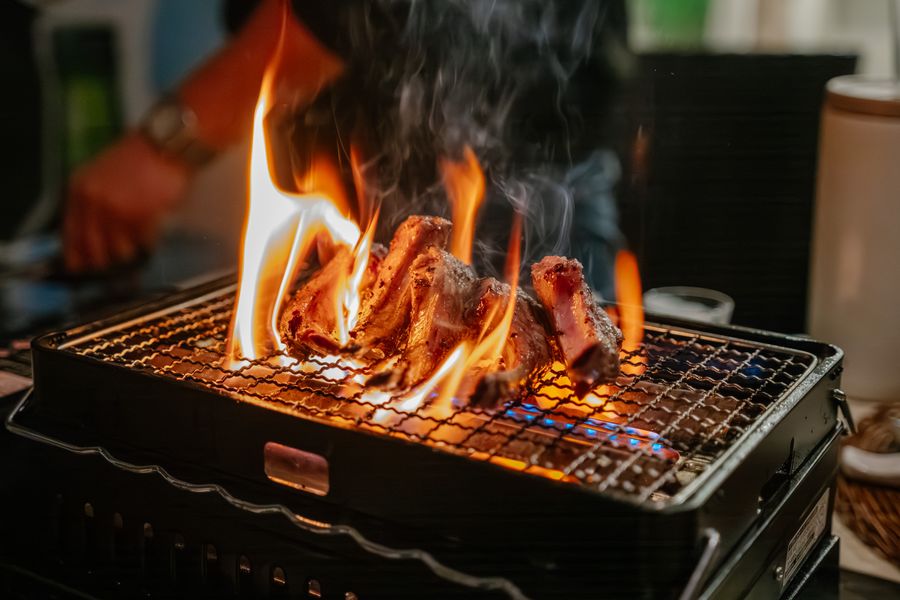
- Fire the smoker to 250F. Bring your smoker to a steady 250F with a clean, thin smoke. Oak or hickory both suit beef. Keep a water pan in the chamber to hold humidity and protect the bark.
- Smoke until the bark sets. Set the ribs bone side down and smoke undisturbed until the surface is dark and firm and the internal temperature reads about 165F, roughly 4 hours. Check with an instant read thermometer in the meatiest spot, off the bone.
- Wrap and push to tender. Wrap the ribs in butcher paper or foil and return them to the smoker until they probe like soft butter, about 203 to 205F internal, another 2 to 3 hours. Temperature is a guide; the feel of a tender probe is the real signal.
- Simmer the gochujang glaze. While the ribs finish, whisk the gochujang, rice vinegar, soy sauce, honey, brown sugar, sesame oil, garlic, and ginger in a small pan. Simmer 5 minutes until it coats the back of a spoon.
- Glaze and tack up. Unwrap the ribs and brush on a heavy coat of glaze. Return them to the smoker or slide under a broiler for 10 to 15 minutes so the glaze turns sticky and glossy. Brush on a second coat near the end.
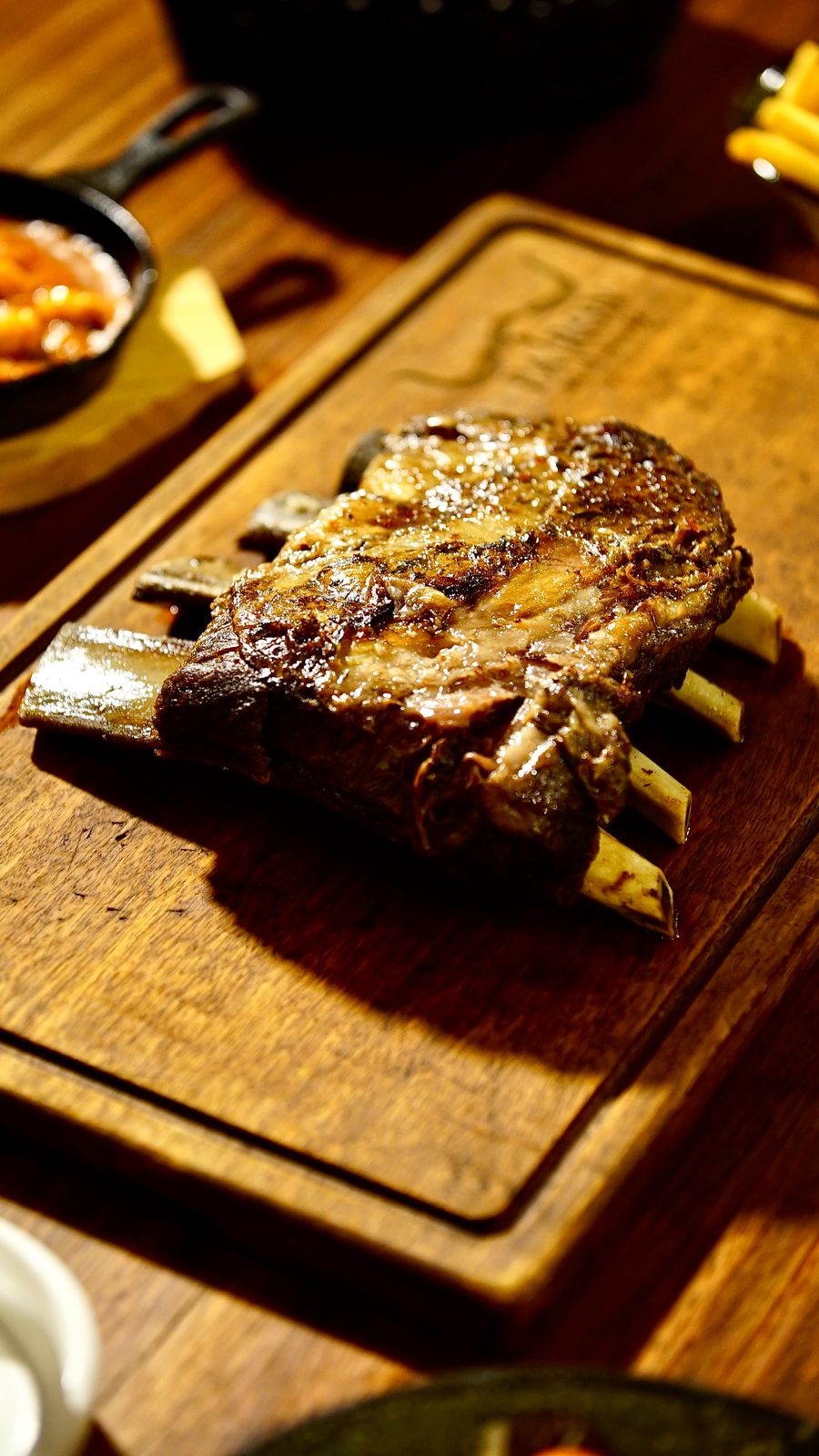
- Rest, slice, and top. Rest the ribs 20 to 30 minutes so the juices settle. Slice between the bones, then pile on the drained pickled onions, sliced scallions, and toasted sesame seeds.
Pro tips and common mistakes
- Do not trust the clock. Two racks from two steers finish at different times. Cook to a tender probe, not to an hour.
- Wrapping too early softens the bark. Wait until the surface is dark and set before you wrap.
- Glaze late. Gochujang and honey both carry sugar that scorches, so add the glaze only in the last 15 minutes.
- Keep the smoke thin and blue. Thick white smoke leaves an acrid, bitter note on beef.
- We reach for a metal fish spatula and a wood board to move and slice the ribs, and skip plastic tools near hot fat.
Storage and leftovers
Cool the ribs, then refrigerate in a covered container up to 4 days. The pickled onions keep 2 weeks in their brine. To reheat, wrap the ribs in foil with a splash of water and warm in a 300F oven for about 20 minutes, then brush on fresh glaze. The meat also freezes well for up to 3 months; thaw overnight in the fridge before reheating. Leftover meat pulled off the bone is excellent in tacos or over rice.
What to serve with it
- Steamed short grain rice to soak up the glaze.
- A cucumber and sesame salad for cool crunch.
- Grilled scallions or charred cabbage wedges.
- Cold kimchi straight from the jar.
Nutrition
About 640 calories, 38g protein, 48g fat, and 14g carbs per serving, based on 4 servings. These are estimates and vary with the exact cut, trim, and any substitutions.
Frequently asked questions
What are the best short ribs for smoking?
Thick, bone-in English cut short ribs from the plate or chuck. Look for wide, even bones and heavy marbling. Thin flanken cut ribs are made for quick grilling and will dry out over a long smoke.
Can I make these without a smoker?
Yes. Season and dry brine the same way, then cook the ribs in a 275F oven inside a covered Dutch oven with a little beef stock until probe tender, about 3 to 4 hours. You lose the smoke ring, so add a few drops of liquid smoke to the glaze if you want that note.
How spicy is gochujang?
Moderate and slow to build, more savory than sharp. The honey and vinegar in the glaze round it off. For less heat, cut the gochujang to 1/4 cup and add a spoon of extra honey.
How do I know the ribs are done?
Probe them. When a thermometer or skewer slides in with almost no resistance, around 203 to 205F, they are ready. Numbers get you close, but the tender feel is the real test.
Why dry brine instead of a wet marinade?
A dry brine draws moisture out and then back in, seasoning the meat deeply while leaving the surface dry enough to build bark. A wet marinade keeps the surface too damp for good smoke color.
Where to buy the meat
Good short ribs start with good beef. We buy bone-in beef short ribs from local, grass-fed and pasture-raised producers whenever we can, since the fat is better and the sourcing is transparent. Find a producer near you through our Find a Farmer directory, and learn the whole animal on our beef guide. New to running a fire this long? Start with our guide to smoking meat at home. Hungry for more beef? Try our porcini and red wine beef pot roast or a pot of braised oxtail.